
- Step 1: Blanch the Beef for a Clean Broth
Place the beef pieces in a large pot and cover with cold water. Bring to a full rolling boil over high heat and cook vigorously for 8–10 minutes. This initial blanching step is particularly important for sinina, which relies on a clean, clear golden broth rather than a rich, opaque one. The clarity of the broth is part of what makes sinina visually beautiful and signals the delicacy of its flavor — unlike bulalo's rich collagen-laden soup or balbacua's thick stew, sinina is meant to be light, golden, and translucent. Drain completely and rinse each piece of beef under cold running water, removing any grey impurities that have adhered to the surface. Rinse the pot itself before using. This extra cleaning step takes only a few minutes but makes a significant difference to both the appearance and flavor of the final soup.
- Step 2: Build the Ginger-Turmeric Broth
Return the cleaned beef to the pot and add fresh cold water or light beef broth. Add the sliced ginger — sinina uses a generous amount of ginger, far more than most Filipino soups, and this is intentional. Ginger is the dominant flavor note of sinina and should be clearly present in every sip. Add the turmeric, which provides the characteristic golden color that gives sinina its beautiful appearance. Crush the turmeric into small pieces if using fresh root. Add the bruised lemongrass stalks, kaffir lime leaves, crushed garlic, quartered onion and tomato, and whole peppercorns. Bring to a boil over high heat, then immediately reduce to a very gentle simmer. The peppercorns in sinina are not meant to make it spicy — they add a warming, subtle heat that runs beneath the ginger and lemongrass aromatics.
- Step 3: Long Simmer for Tender Beef
Cover the pot and simmer over the lowest heat for 1 to 1.5 hours, skimming occasionally. The beef should become tender and the broth should gradually take on a beautiful golden color from the turmeric. Unlike bulalo, sinina does not require the same extended collagen-extraction cooking time, as it is not primarily a collagen-rich dish — it is an aromatic, herb-forward soup where the quality of the ingredients and the balance of aromatics matter more than extended cooking. After 1 hour, taste the broth regularly for both tenderness of the beef and development of the aromatic profile. The ginger should be forward and warming, the turmeric should provide a clean earthy note, and the lemongrass should add a citrusy brightness. All three should be in harmony rather than any single one dominating.
- Step 4: Adjust Seasoning and Aromatics
Once the beef is tender, season the broth with fish sauce or salt, tasting carefully after each addition. Sinina should be seasoned with a lighter hand than most Filipino beef soups — the focus is on the aromatic profile rather than salty intensity. The fish sauce adds depth and umami without making the dish taste fishy when used in moderate amounts. If the ginger or turmeric flavors are too mild, you can add additional fresh slices of ginger directly to the broth and simmer for 10 more minutes. If the lemongrass note is insufficient, add one more bruised stalk. The process of adjusting sinina is largely about fine-tuning the balance of aromatics rather than adding salt or fat, which is what makes this dish different from most Filipino beef preparations. The clarity and aromatics are the dish's primary qualities.
- Step 5: Final Herbal Garnish and Serving
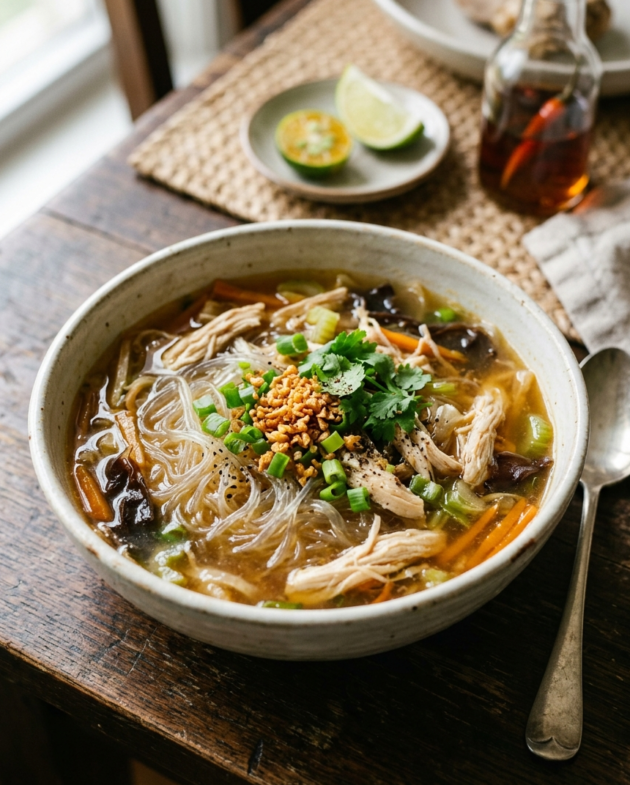
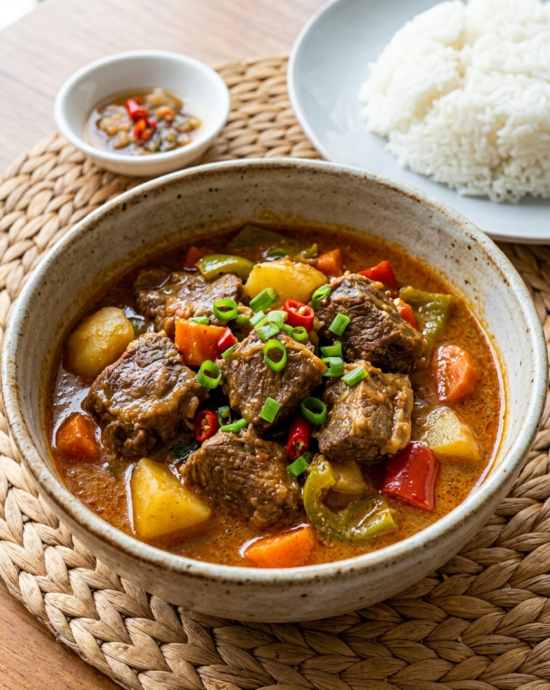
Before serving, remove all the whole aromatics — ginger slices, lemongrass stalks, kaffir lime leaves, and garlic cloves. These have done their work and should not be in the final serving. Taste the broth one final time and make any last seasoning adjustments. The finished sinina should be clear and golden, warmingly aromatic with ginger and lemongrass, and have tender beef that has absorbed the fragrant broth. Ladle into bowls, ensuring each serving gets generous pieces of beef and plenty of the golden aromatic broth. Garnish with freshly sliced green onions and fresh coriander leaves — both are important for the final fresh, herbal note that completes the dish. Serve immediately with steamed rice. Sinina is particularly soothing when served during cool weather or to those who are feeling unwell, as its ginger, turmeric, and lemongrass profile is genuinely restorative.
- Calories:420 kcal21%
- Protein:30 g60%
- Carbohydrates:16 g5%
- Sugar:4 g4%
- Fat:27 g35%
Table of Contents
What Is Beef Sinina?
Beef Sinina is a fragrant, ginger-forward Filipino beef soup originating from the Maranao people of Lanao del Sur and the broader Bangsamoro region of Mindanao. It is one of the most distinctive soups in the Filipino Muslim culinary tradition and offers a compelling contrast to the richer, heavier beef preparations that are more commonly known outside of Mindanao.
Sinina is defined by its aromatic purity — rather than relying on rich fats, fermented pastes, or complex spice blends, it builds its character from the clean, direct interaction of ginger, turmeric, lemongrass, and kaffir lime leaves in a clear beef broth. The result is a soup that is simultaneously light and deeply flavored, warming and refreshing, familiar and uniquely Mindanaoan.
The name sinina is believed to derive from the Maranao word for smell or aroma, reflecting the dish’s defining characteristic — a beautifully fragrant broth that fills the room as it simmers. This focus on aroma as the primary virtue of a dish reflects an important aspect of Maranao food philosophy, where the quality of a dish is judged as much by its perfume as by its taste.
Sinina is often prepared for medicinal purposes within Maranao communities — the ginger, turmeric, and lemongrass combination is considered deeply restorative, and sinina is commonly served to those recovering from illness, to new mothers in the postpartum period, or to the elderly who need easy-to-digest, nourishing food. This therapeutic dimension gives sinina a cultural significance beyond its role as a delicious meal — it is, in the deepest sense, a caring dish.
Ingredient Notes
- Fresh Ginger: Use a generous amount of fresh ginger — at least a 2-inch piece for 1 kg of beef. The ginger should be clearly identifiable in both flavor and warming sensation in every sip of sinina. Old, dried-out ginger produces a weak result.
- Fresh Turmeric Root: When available, fresh turmeric produces a more vivid color and more nuanced earthiness than ground turmeric. Grate it into the broth rather than slicing for maximum color release.
- Lemongrass: Choose thick, fragrant stalks and bruise them thoroughly by bashing with the flat of a knife. The citrusy aromatic oils in lemongrass are the counterbalancing note to ginger’s heat in sinina.
- Kaffir Lime Leaves: These are subtler here than in kulma — they provide background floral citrus notes that complement the lemongrass. Fresh or frozen leaves are significantly superior to dried in this delicate soup.
Ingredient Suggestions
- Fresh Coconut Water (1 cup): Replace some of the water with coconut water for a subtle natural sweetness.
- Finger Chilies: Whole siling haba added to the broth adds gentle heat without making the soup spicy.
- Pechay or Spinach: Added in the final 3 minutes for green vegetable variety.
- Calamansi (at the table): A squeeze of fresh calamansi juice brightens the golden broth beautifully.
Helpful Tips & Pro Tips
- Use More Ginger Than You Think: Sinina should have a forward, warming ginger note. First-time cooks consistently under-ginger the soup and produce a bland result. Start with a 2-inch piece and taste at 45 minutes — add more if the ginger note is not prominent.
- Maintain Broth Clarity: Keep the heat at the absolute lowest simmer throughout cooking. Aggressive boiling creates a cloudy, unattractive broth. The visual clarity is part of sinina’s elegance.
- Fresh Herbs at the Table: Never add coriander or green onions to the cooking broth — always add fresh as garnish at the last moment to preserve their bright color and fresh aroma.
- Sinina Is a Healing Soup: This dish is genuinely restorative due to the anti-inflammatory properties of turmeric and ginger. Prepare it for someone who is ill or recovering — the warmth and aromatics are as comforting as the nutrition.
How to Serve and Store
Sinina broth stores beautifully in the refrigerator for up to 3 days. Remove aromatics before storing. The broth is at its best fresh on the day it is made, as the lemongrass and kaffir lime aromas gradually fade with storage. Reheat gently over low heat and taste — you may want to add a fresh bruised lemongrass stalk during reheating to reinvigorate the aroma. Freeze the broth and beef (without garnishes) for up to 1 month. The delicate aromatic profile does fade somewhat after freezing.
Substitutions
- Fresh Ginger → Galangal (laos) — a Southeast Asian rhizome with a more floral, less sharp character; use the same quantity.
- Fresh Turmeric → Ground turmeric (1/2 tsp) — convenient substitute; reduce to avoid bitterness.
- Beef Sirloin → Beef ribs or beef shoulder — both produce excellent sinina; cooking time may vary slightly.
- Fish Sauce → Rock salt — the cleanest, most neutral seasoning option; appropriate for halal preparation.
- Kaffir Lime Leaves → Lime zest (1/2 tsp) and a small strip of lime peel — provides citrus aroma without the distinctive floral note.
Suggested Recipes
- Beef Kulma: Another Mindanaoan Muslim beef dish from the same cultural tradition, but richer and spiced rather than clear and aromatic.
- Beef Cansi: A sour bone marrow soup from the Visayas that shares the clear-broth principle with sinina but with a sour character.
- Beef Bulalo: The non-sour, non-aromatic beef bone broth of Batangas — comparing these three clear soups reveals the diversity of Filipino beef soup traditions.
Frequently Asked Questions

Jeff Smith
"Cooking is the intersection of history, science, and emotion."
For me, the kitchen has always been a laboratory of culture. With a background deeply rooted in digital strategy and precision, I approach the culinary arts with the same rigor I apply to the digital landscape—analyzing flavors, perfecting techniques, and documenting the nuance that makes Filipino cuisine truly world-class.
Findme Recipe was born from a desire to bridge the gap between traditional heritage and the modern home cook. Whether it is mastering the perfect balance of acidity in a classic Adobo or simplifying complex regional dishes for everyday kitchens, my mission is to preserve our culinary identity through accessible, data-backed, and delicious content.
I am not just building a database; I am cultivating a community where every Filipino kitchen feels empowered, every ingredient is celebrated, and every family heirloom recipe finds a place to thrive.
Join me as we translate the soul of our islands into recipes for the next generation.