25 Best Filipino Dishes to Cook at Home (That Taste Like Lola Made Them)
- June 3, 2026
- 0
- 11 Min Read
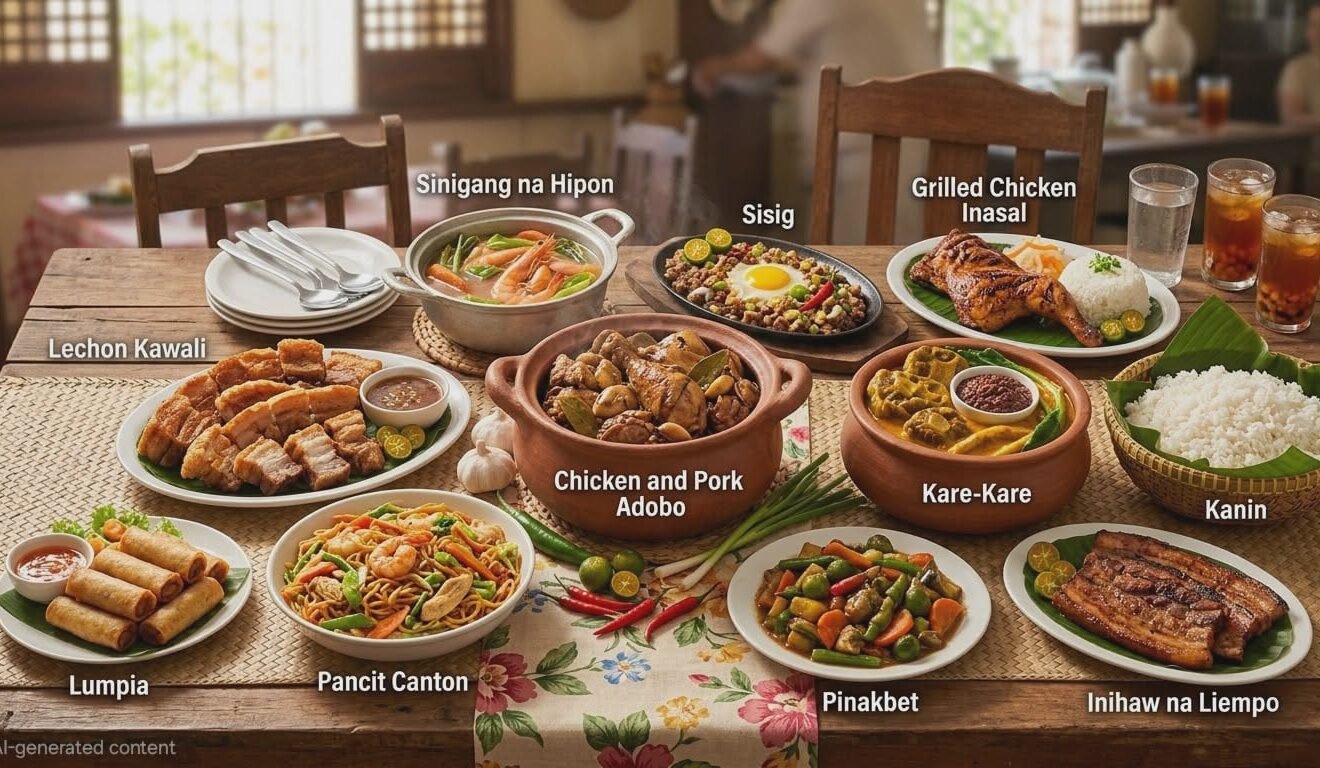
Filipino cuisine is one of the most exciting, soulful, and deeply satisfying food traditions in Southeast Asia — and yet it’s still criminally underrated on the global stage. Bold flavors, slow-cooked meats, rich stews, and that signature balance of sour, salty, and savory: Filipino food is comfort food at its finest.
Whether you grew up with a steaming bowl of sinigang on the table or you’re discovering Filipino cooking for the first time, these best Filipino dishes to cook at home will transform your kitchen into a Filipino carinderia. From weeknight-easy adobo to weekend-worthy lechon, this list covers everything you need to explore the heart and soul of Filipino home cooking.
Here’s what you’ll find in this roundup: 25 iconic Filipino recipes ranked by versatility, crowd-pleasing power, and just how satisfying they are to make from scratch.
Why You’ll Love These Filipino Recipes
- Deeply flavorful with minimal effort — many classic dishes rely on pantry staples and low-and-slow cooking.
- Budget-friendly — Filipino cooking is traditionally designed to stretch ingredients without sacrificing flavor.
- Perfect for groups — most recipes scale up beautifully for family gatherings or potlucks.
- Incredibly versatile — so many dishes taste even better the next day, making them ideal for meal prep.
1. Chicken Adobo
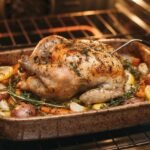
The undisputed king of Filipino home cooking. Chicken pieces are braised in a tangy, savory mixture of vinegar, soy sauce, garlic, bay leaves, and black pepper until gloriously tender and deeply caramelized. Every family has their own version — some add coconut milk, others go extra garlicky — but the soul of the dish remains the same.
Key ingredients: Chicken thighs, white vinegar, soy sauce, garlic, bay leaves, black peppercorns.
Pro tip: Let it sit overnight — adobo always tastes better on day two as the flavors deepen.
[INTERNAL LINK: Jump to chicken adobo recipe → chicken-adobo]
2. Sinigang na Baboy (Pork Sinigang)
A sour tamarind broth loaded with tender pork belly, vegetables like kangkong (water spinach), eggplant, radish, and string beans. Sinigang is the ultimate Filipino comfort food — warming, lip-puckering, and incredibly nourishing.
Key ingredients: Pork belly, tamarind (fresh, paste, or powder), kangkong, eggplant, tomatoes, onion.
Pro tip: Use fresh tamarind pods when in season for a brighter, more complex sourness.
[INTERNAL LINK: How to make sinigang from scratch → sinigang-recipe]
3. Kare-Kare
A showstopping peanut-based stew with oxtail (or tripe), banana blossom, and eggplant, always served with a side of fermented shrimp paste (bagoong). Rich, nutty, and deeply savory — this is Filipino Sunday cooking at its best.
Key ingredients: Oxtail, ground peanuts or peanut butter, banana blossom, eggplant, annatto, bagoong.
Pro tip: Toast your peanuts before grinding them for a noticeably richer, nuttier flavor.
[INTERNAL LINK: Classic kare-kare recipe → kare-kare]
4. Lechon Kawali
Crispy, golden, crackling pork belly that shatters with every bite. Boiled first until tender, then deep-fried to perfection — it’s pure indulgence. Serve with lechon sauce or liver sauce for the full experience.
Key ingredients: Pork belly slab, salt, bay leaves, peppercorns, oil for frying.
Pro tip: Dry the pork belly in the fridge uncovered overnight for the crispiest skin possible.
[INTERNAL LINK: How to make lechon kawali → lechon-kawali-recipe]
5. Bistek Tagalog (Filipino Beef Steak)
Tender beef slices marinated in calamansi juice and soy sauce, pan-fried and topped with caramelized onion rings. It’s savory, slightly sour, and absolutely irresistible over steamed white rice.
Key ingredients: Beef sirloin, calamansi juice (or lemon), soy sauce, onion, oil.
Pro tip: Pound the beef slices thin for faster cooking and better marinade absorption.
[INTERNAL LINK: Bistek Tagalog recipe → bistek-tagalog]
6. Pancit Canton
The go-to noodle dish for birthdays and celebrations — because in Filipino tradition, long noodles mean long life! Stir-fried egg noodles with pork, shrimp, cabbage, carrots, and a savory soy-based sauce, all topped with calamansi on the side.
Key ingredients: Canton noodles, pork, shrimp, cabbage, carrots, soy sauce, fish sauce.
Pro tip: Don’t over-cook the noodles — pull them off the heat while still slightly firm for the best texture.
[INTERNAL LINK: Easy pancit canton recipe → pancit-canton]
7. Tinola
A ginger-forward chicken soup with green papaya and malunggay (moringa) leaves. Light, healing, and deeply aromatic, tinola is what Filipinos reach for when the weather turns cold or someone needs a little TLC.
Key ingredients: Chicken, green papaya, malunggay leaves, ginger, garlic, onion, fish sauce.
Pro tip: Add the malunggay leaves at the very end — just 30 seconds before serving — to keep them vibrant and nutritious.
[INTERNAL LINK: Tinola recipe → chicken-tinola]
8. Laing
A rich, spicy Bicolano dish of dried taro leaves slow-cooked in coconut milk with pork, shrimp paste, and chili. Laing is intensely flavored, creamy, and pairs perfectly with mountains of steamed rice.
Key ingredients: Dried taro leaves, coconut milk, pork, bagoong, chili, garlic, ginger.
Pro tip: Never stir the laing while cooking — let the coconut milk reduce undisturbed for the best texture.
[INTERNAL LINK: Authentic laing recipe → laing-bicol]
9. Pork Menudo
A hearty, tomato-based pork stew with potatoes, carrots, liver, and bell peppers. It’s sweet, savory, and deeply satisfying — one of those dishes that always gets devoured at family gatherings.
Key ingredients: Pork cubes, pork liver, potatoes, carrots, tomato sauce, bell peppers, raisins (optional).
Pro tip: Add the liver near the end to prevent it from becoming tough and grainy.
[INTERNAL LINK: Easy pork menudo recipe → pork-menudo]
10. Nilaga
A simple but deeply comforting boiled beef and vegetable soup. What nilaga lacks in complexity, it makes up for in pure, soul-satisfying warmth. Just beef, potatoes, cabbage, and broth — perfection.
Key ingredients: Beef shanks or short ribs, potatoes, cabbage, corn, peppercorns, fish sauce.
Pro tip: Skim the broth frequently in the first 30 minutes for a cleaner, clearer soup.
[INTERNAL LINK: Beef nilaga recipe → beef-nilaga]
11. Ginataang Manok
Chicken braised in coconut milk with ginger, lemongrass, and chili. Creamy, fragrant, and with just enough heat — this Bicol-inspired dish is pure comfort in a pot.
Key ingredients: Chicken, coconut milk, ginger, lemongrass, garlic, chili, fish sauce.
Pro tip: Use full-fat coconut milk and let it reduce until the oil separates for an incredibly rich sauce.
[INTERNAL LINK: Ginataang manok recipe → ginataang-manok]
12. Bulalo
A deeply rich bone marrow beef soup that requires patience but delivers an unmatched depth of flavor. The marrow melts into the broth creating an almost buttery, collagen-rich soup that warms you from the inside out.
Key ingredients: Beef shank with bone marrow, corn, cabbage, peppercorns, fish sauce.
Pro tip: Cook for at least 3 hours (or use a pressure cooker) until the meat falls off the bone effortlessly.
[INTERNAL LINK: Bulalo recipe → bulalo-soup]
13. Caldereta
A rich, spicy tomato-and-liver-paste beef stew with potatoes, olives, and bell peppers. Originally a celebratory dish, caldereta is bold, complex, and absolutely worth making on a Sunday.
Key ingredients: Beef chunks, tomato sauce, liver spread, potatoes, olives, bell pepper, chili.
Pro tip: The liver spread is non-negotiable — it’s what gives caldereta its signature depth and richness.
[INTERNAL LINK: Beef caldereta recipe → beef-caldereta]
14. Tortang Talong (Eggplant Omelette)
Grilled eggplant dipped in beaten egg and pan-fried into a savory, smoky omelette. It sounds simple — and it is — but the smoky charred eggplant flavor is completely addictive.
Key ingredients: Large eggplant, eggs, garlic, onion, fish sauce, oil.
Pro tip: Grill the eggplant directly over an open flame for the deepest, smokiest flavor.
[INTERNAL LINK: Tortang talong recipe → tortang-talong]
15. Paksiw na Pata
Pork hocks slow-braised in vinegar, soy sauce, garlic, and bay leaves until meltingly tender. The tangy, sticky braising liquid doubles as an irresistible sauce for white rice.
Key ingredients: Pork hocks, vinegar, soy sauce, garlic, bay leaves, peppercorns, sugar.
Pro tip: Let the sauce reduce at the end until it thickens and clings to the pork — that’s where the magic happens.
[INTERNAL LINK: Paksiw na pata recipe → paksiw-na-pata]
16. Pinakbet
A vegetable medley stir-fried with shrimp paste, featuring bitter melon, eggplant, okra, squash, and string beans. It’s bold, slightly bitter, and utterly delicious — a great way to pack vegetables into a meal.
Key ingredients: Bitter melon, eggplant, okra, squash, string beans, bagoong, tomatoes, pork.
Pro tip: Don’t overcook the vegetables — they should be tender but still vibrant in color.
[INTERNAL LINK: Pinakbet recipe → pinakbet-ilocano]
17. Embutido
A Filipino-style steamed pork meatloaf studded with hard-boiled eggs, raisins, bell pepper, and Vienna sausages. It’s festive, hearty, and one of those classic dishes that always disappears fast at parties.
Key ingredients: Ground pork, hard-boiled eggs, raisins, bell pepper, carrots, Vienna sausages, breadcrumbs.
Pro tip: Wrap tightly in aluminum foil before steaming to keep its shape — slice cleanly once fully cooled.
[INTERNAL LINK: Embutido recipe → pork-embutido]
18. Arroz Caldo
The Filipino version of congee — a thick, ginger-rich rice porridge with chicken, topped with fried garlic, scallions, calamansi, and a soft-boiled egg. It’s the ultimate breakfast and the definitive sick-day food.
Key ingredients: Glutinous rice, chicken, ginger, garlic, fish sauce, scallions, calamansi.
Pro tip: Use glutinous rice (malagkit) blended with regular rice for the creamiest, most velvety texture.
[INTERNAL LINK: Arroz caldo recipe → arroz-caldo]
19. Palabok (Pancit Palabok)
Rice noodles smothered in a savory, annatto-orange shrimp sauce and piled high with toppings: crushed chicharon, hard-boiled eggs, shrimp, tinapa flakes, and scallions. It’s festive, dramatic, and absolutely delicious.
Key ingredients: Bihon noodles, shrimp, annatto, shrimp broth, chicharon, tinapa flakes, eggs.
Pro tip: Make the sauce thick enough to coat the noodles — it should never be watery.
[INTERNAL LINK: Pancit palabok recipe → pancit-palabok]
20. Dinuguan
A savory, tangy pork blood stew with vinegar, garlic, chili, and pork offal or meat. It sounds intimidating but tastes deeply rich, complex, and satisfying — traditionally served with puto (steamed rice cakes).
Key ingredients: Pork belly, pork blood, vinegar, garlic, chili, onion, fish sauce.
Pro tip: Add the blood slowly over low heat while stirring constantly to prevent curdling.
[INTERNAL LINK: Dinuguan recipe → pork-dinuguan]
21. Bangus Sisig
Milkfish flaked, crisped up in a hot skillet, and tossed with onions, calamansi, chili, and mayonnaise. It’s the lighter, equally addictive cousin of pork sisig — perfect as a main dish or pulutan (bar snack).
Key ingredients: Bangus (milkfish), onion, calamansi, chili, mayonnaise, soy sauce.
Pro tip: Crisp the fish skin separately and crumble it on top as a garnish for extra texture.
[INTERNAL LINK: Bangus sisig recipe → bangus-sisig]
22. Monggo Guisado (Mung Bean Stew)
A humble but deeply satisfying stew of mung beans simmered with pork, shrimp, and leafy greens. It’s a weekly staple in many Filipino homes — nutritious, filling, and endlessly comforting.
Key ingredients: Mung beans, pork belly, shrimp, ampalaya leaves or spinach, garlic, onion, tomato.
Pro tip: Soak the mung beans for 2–4 hours before cooking to reduce cooking time significantly.
[INTERNAL LINK: Monggo guisado recipe → monggo-guisado]
23. Pork BBQ (Filipino Street-Style)
Marinated pork skewers grilled over charcoal until caramelized and slightly charred. The marinade — sweet, garlicky, and with a hint of banana ketchup — makes these unlike any other barbecue you’ve had.
Key ingredients: Pork shoulder, soy sauce, banana ketchup, calamansi, garlic, sugar, 7-Up or sprite.
Pro tip: Baste repeatedly while grilling and add one final coat right before pulling off the grill for maximum caramelization.
[INTERNAL LINK: Filipino pork BBQ recipe → filipino-pork-bbq]
24. Ginisang Ampalaya (Sautéed Bitter Melon)
Bitter melon stir-fried with eggs, tomatoes, and onion in a simple but deeply flavorful sauté. Yes, it’s bitter — and that’s exactly what makes it special. A true Filipino acquired taste that becomes a craving.
Key ingredients: Bitter melon (ampalaya), eggs, tomatoes, garlic, onion, fish sauce.
Pro tip: Salt the sliced ampalaya and let it sit for 15 minutes, then squeeze out the excess water to tame the bitterness.
[INTERNAL LINK: Ginisang ampalaya recipe → ginisang-ampalaya]
25. Leche Flan
No Filipino feast is complete without leche flan — a dense, ultra-creamy caramel custard made with egg yolks and condensed milk. Silkier than crème brûlée, richer than regular flan, and absolutely iconic.
Key ingredients: Egg yolks, condensed milk, evaporated milk, sugar (for caramel), vanilla.
Pro tip: Steam rather than bake for the smoothest, most silken texture — and never rush the caramelization.
Tips for Making These Filipino Dishes at Home
- Stock your Filipino pantry. Keep soy sauce, fish sauce (patis), vinegar, bagoong, calamansi (or lemon as a sub), coconut milk, and annatto powder on hand and you’re ready for most of these recipes.
- Low and slow is the Filipino way. Many classic dishes — bulalo, kare-kare, paksiw — reward patience. Don’t rush the braise.
- Taste constantly, adjust freely. Filipino cooking is intuitive. Every batch of vinegar, every pork cut is different — taste and season as you go.
- Always cook rice. Every single dish on this list is designed to be eaten with steaming white rice. A rice cooker is your best investment.
- Leftovers are a feature, not a bug. Adobo, sinigang, and caldereta all deepen in flavor overnight — make a big batch and enjoy it twice.
Frequently Asked Questions

Jeff Smith
"Cooking is the intersection of history, science, and emotion."
For me, the kitchen has always been a laboratory of culture. With a background deeply rooted in digital strategy and precision, I approach the culinary arts with the same rigor I apply to the digital landscape—analyzing flavors, perfecting techniques, and documenting the nuance that makes Filipino cuisine truly world-class.
Findme Recipe was born from a desire to bridge the gap between traditional heritage and the modern home cook. Whether it is mastering the perfect balance of acidity in a classic Adobo or simplifying complex regional dishes for everyday kitchens, my mission is to preserve our culinary identity through accessible, data-backed, and delicious content.
I am not just building a database; I am cultivating a community where every Filipino kitchen feels empowered, every ingredient is celebrated, and every family heirloom recipe finds a place to thrive.
Join me as we translate the soul of our islands into recipes for the next generation.