
How to Cook Adobo: The Classic Filipino Recipe Everyone Should Know
- June 27, 2026
- 0
- 4 Min Read
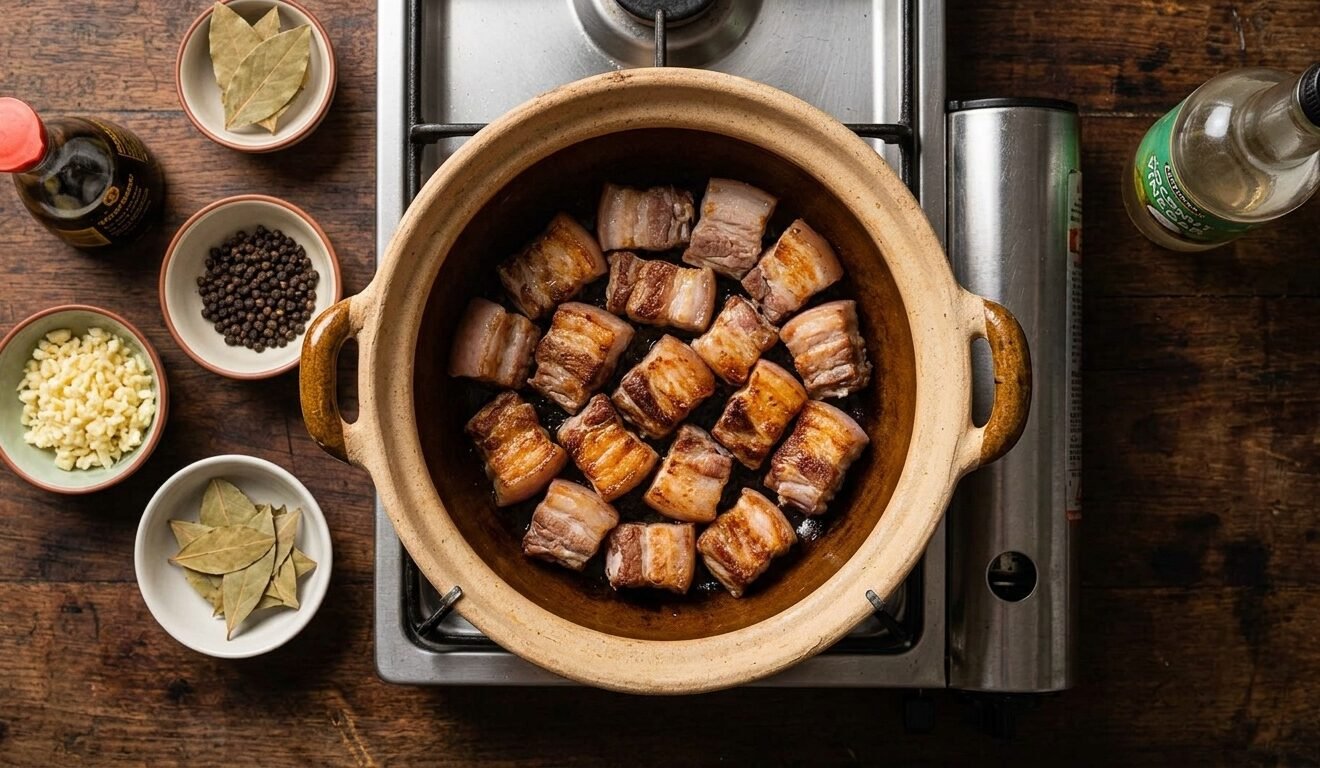
If there’s one dish that every Filipino home cook must master, it’s adobo. Whether it’s chicken, pork, or a beautiful combination of both, learning how to cook adobo is essentially a rite of passage in Filipino kitchens everywhere — from Batangas to Manila to Pampanga, and all the way to Filipino households scattered across the globe.
Adobo is savory, tangy, deeply aromatic, and best of all, it only gets better the next day. This classic Filipino adobo recipe walks you through everything: the right ingredients, the proper technique, and the little details that take your adobo from good to genuinely unforgettable.
What Is Filipino Adobo?
Adobo is a braising method as much as it is a specific dish. Meat is simmered low and slow in a mixture of vinegar, soy sauce, garlic, bay leaves, and black pepper until it becomes fork-tender and coated in a glossy, deeply flavored sauce. It is not Spanish adobo — the Filipino version predates Spanish colonization and is thought to have been a preservation technique in a tropical climate where refrigeration didn’t exist.
Every family has their own version. Some swear by more vinegar, others by less soy. Some use coconut milk (gata). Others keep it dead simple. That variation across households and regions is part of what makes adobo so alive as a dish.
Ingredients
- 1 kg chicken pieces (or pork belly), bone-in preferred
- 1/2 cup soy sauce
- 1/2 cup white cane vinegar (sukang maasim)
- 1 whole head of garlic, crushed or roughly chopped
- 3-4 dried bay leaves (dahon ng laurel)
- 1 tsp whole black peppercorns
- 1 cup water
- 2 tbsp cooking oil
- Salt and a pinch of sugar to taste (optional)
Step-by-Step: How to Cook Adobo
Instructions
- Combine the chicken (or pork) with soy sauce, vinegar, garlic, bay leaves, and peppercorns in a heavy-bottomed pot. Marinate for at least 30 minutes at room temperature, or overnight in the refrigerator for deeper, more penetrating flavor.
- Place the pot over medium-high heat. Bring everything to a boil without stirring. This is important — disturbing the vinegar too early can make it taste sharp and harsh. Once boiling, reduce heat to a steady simmer.
- Add water and continue simmering uncovered for 30 to 35 minutes, until the meat is tender and the liquid has reduced by about half.
- Remove the chicken pieces from the pot and set the sauce aside. Heat cooking oil in a separate skillet over medium-high heat and fry the chicken until golden brown and slightly caramelized on the outside.
- Return the fried chicken to the pot with the sauce. Simmer for another 5 to 10 minutes until the sauce thickens further and clings beautifully to every piece.
- Taste and adjust — a small pinch of sugar can round out any remaining sharpness if needed.
- Serve hot over steamed white rice, with a ladleful of sauce spooned generously on top.
💡 Pro Tip: For adobong tuyo (dry adobo), continue simmering after step 5 until the sauce fully evaporates and the meat caramelizes in its own rendered fat — crispy, sticky, and absolutely worth the extra time. For adobong puti (white adobo), skip the soy sauce entirely and use extra vinegar with salt.
Tips for the Best Adobo Every Time
Use Bone-In Cuts
Bone-in chicken thighs and legs, or bone-in pork ribs, produce a richer, more complex sauce than boneless cuts. The collagen from the bones dissolves into the braising liquid, adding body and a silky texture that boneless cuts simply can’t achieve.
Never Stir the Vinegar Early
Adding vinegar to already-hot fat, or stirring the pot before the vinegar has come to a boil, can create a harsh, acrid flavor. Always let the mixture come to a full rolling boil undisturbed first.
Make It the Day Before
Adobo is one of those rare dishes that tastes genuinely, noticeably better the next day. The acidity mellows, the flavors meld, and the sauce becomes richer as the fat redistributes. Refrigerate overnight, skim the solidified fat off the top in the morning, and reheat slowly. You’ll be glad you waited.
Serving and Storage
Serve adobo with hot steamed jasmine rice and a simple side of sliced tomatoes or atchara (pickled green papaya) to cut through the richness. Leftover adobo keeps well in the refrigerator for up to 5 days — the fat that solidifies on top is normal, simply skim or stir it back in when reheating.
Adobo also freezes beautifully for up to 3 months. Portion into containers and thaw overnight in the refrigerator before reheating.
Frequently Asked Questions

Jeff Smith
"Cooking is the intersection of history, science, and emotion."
For me, the kitchen has always been a laboratory of culture. With a background deeply rooted in digital strategy and precision, I approach the culinary arts with the same rigor I apply to the digital landscape—analyzing flavors, perfecting techniques, and documenting the nuance that makes Filipino cuisine truly world-class.
Findme Recipe was born from a desire to bridge the gap between traditional heritage and the modern home cook. Whether it is mastering the perfect balance of acidity in a classic Adobo or simplifying complex regional dishes for everyday kitchens, my mission is to preserve our culinary identity through accessible, data-backed, and delicious content.
I am not just building a database; I am cultivating a community where every Filipino kitchen feels empowered, every ingredient is celebrated, and every family heirloom recipe finds a place to thrive.
Join me as we translate the soul of our islands into recipes for the next generation.