How to Cook Sinigang na Baboy: The Definitive Guide to the Philippines’ Most Beloved Soup
- June 27, 2026
- 0
- 4 Min Read
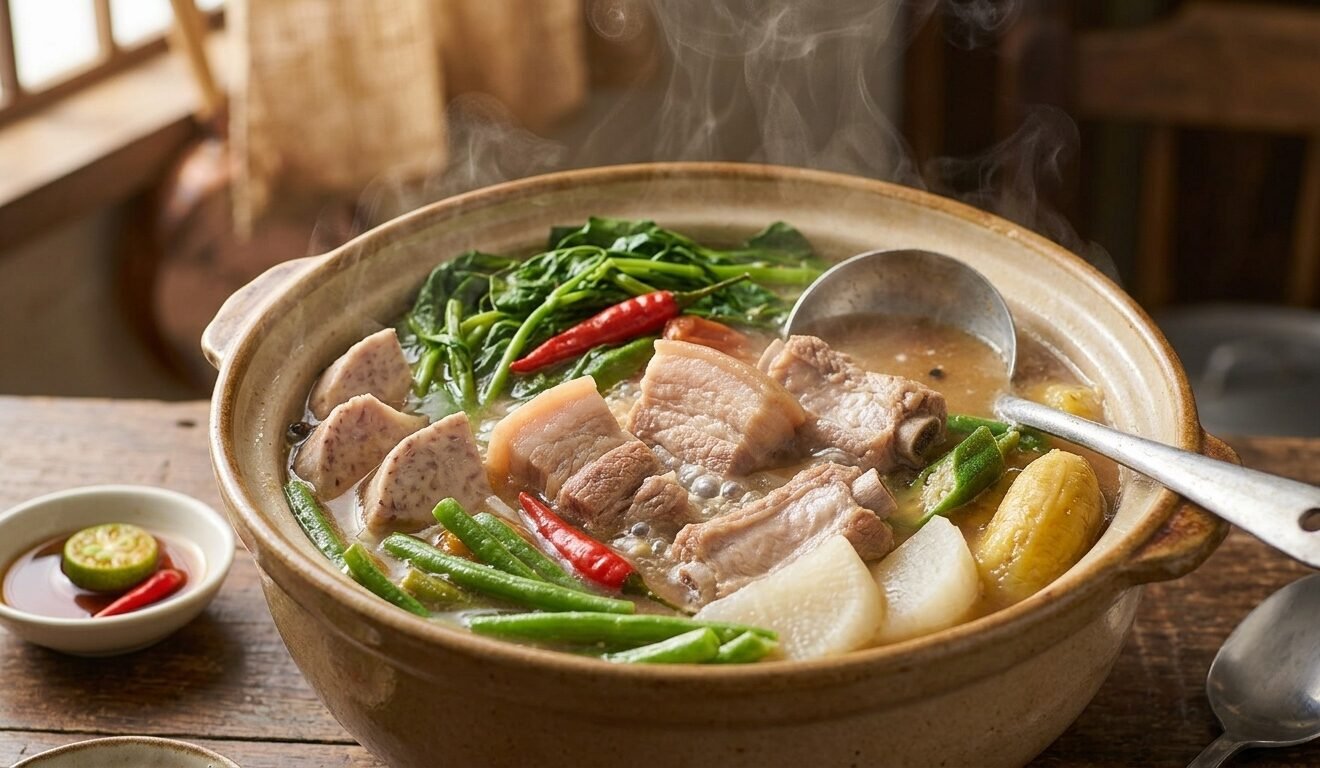
Ask any Filipino to name the dish that tastes most powerfully like home, and sinigang will be on most lips. Bold, sour, deeply savory, and packed with vegetables, sinigang na baboy is more than a recipe — it is a cultural institution, a sensory memory, and the dish that most completely encapsulates the Filipino relationship with food. In 2021, Taste Atlas ranked sinigang the best vegetable soup in the entire world, and Filipinos everywhere responded with a deeply satisfied “finally, they know.”
Learning how to cook sinigang na baboy from scratch — with real, fresh tamarind, properly cut pork, and perfectly timed vegetables — is one of the most rewarding culinary projects a home cook can take on.
Tamarind vs. Sinigang Mix: An Honest Comparison
For the most authentic pork sinigang with tamarind, nothing beats fresh sampalok boiled down and pressed into a sour concentrate. The from-scratch method produces a rounder, more complex sourness with subtle fruity and floral notes that no commercially produced powder can replicate. The broth has more body, more depth, and a color that is distinctly alive.
That said, the sinigang sa sampalok mix packet — particularly the Knorr brand — is a legitimate and widely used weeknight shortcut. Generations of Filipino families have used it and produced genuinely great sinigang. This guide covers both methods in detail.
Best Pork Cuts for Sinigang na Baboy
Choosing the right cut is the foundation of a great sinigang:
- Spareribs (tadyang ng baboy) — the classic choice; bone-in cut enriches the broth with tremendous depth of flavor
- Pork belly (liempo) — rich and fatty, produces a more indulgent, silkier broth
- Neck bones (buto-buto) — maximum collagen and flavor, ideal for long, slow simmers
Ingredients
- 750g pork spareribs or pork belly, cut into serving pieces
- 8-10 pieces fresh sampalok (tamarind) OR 1 packet sinigang sa sampalok mix (40g)
- 1.5 liters water
- 1 medium onion, peeled and quartered
- 2 medium tomatoes, quartered
- 1 medium radish (labanos), peeled and sliced into rounds
- 2 pieces eggplant (talong), cut into diagonal chunks
- 10 pieces sitaw (string beans), cut into 2-inch lengths
- 2 pieces siling haba (long green chili)
- 1 bundle kangkong (water spinach) or fresh baby spinach
- Fish sauce (patis) and salt to taste
How to Cook Sinigang na Baboy from Scratch
Instructions
- If using fresh tamarind: place sampalok in a small pot with 2 cups of water and boil for 15 minutes until the pods are completely soft and the flesh separates easily from the seeds. Let cool slightly, then mash vigorously with a wooden spoon or potato masher and press through a fine mesh sieve to extract all the sour liquid. Discard the fibrous solids and seeds.
- Blanch the pork: place the pieces in a pot, cover with cold water, and bring to a boil. Boil for 5 minutes, then drain and rinse the pork under cold water. This crucial step removes impurities and ensures a clean-tasting, clear broth.
- Return the cleaned pork to the pot with 1.5 liters of fresh water. Add the quartered onion and tomatoes. Bring to a boil over high heat, then reduce to a steady simmer. Cook for 40 to 45 minutes until the pork is completely tender.
- Add the tamarind extract to the simmering broth (or dissolve the sinigang mix in 1 cup warm water and pour into the pot). Stir well, taste, and adjust the level of sourness to your personal preference — add more tamarind for a sharper, more assertive sour flavor.
- Add the labanos and eggplant. Simmer for 5 minutes.
- Add the sitaw and siling haba. Cook for 3 minutes.
- Add the kangkong at the very last moment — cook for exactly 60 to 90 seconds until just wilted. Remove from heat immediately.
- Season the broth with fish sauce and salt. Serve immediately in deep bowls with steamed white rice and extra patis on the side.
💡 Pro Tip: The kangkong is the most time-sensitive element of the entire dish. Add it too early — even by two or three minutes — and it turns yellow, mushy, and sad-looking. Add it in the last 90 seconds and it stays brilliantly green, lightly wilted, and full of flavor. The vegetables in a truly great sinigang should look as alive and vibrant as they did when they went into the pot.
Vegetable Timing Guide
Proper vegetable sequencing is the difference between a good sinigang and a great one:
- Labanos and eggplant — add 5 minutes before serving
- Sitaw and siling haba — add 3 minutes before serving
- Kangkong — add 90 seconds before serving and serve immediately
Regional Variations Worth Exploring
Sinigang sa Miso
Add 2 tablespoons of white or yellow miso paste together with the tamarind. The miso contributes a deep, fermented savory note that pairs especially beautifully with pork belly. This variation is widely beloved in Batangas and Cavite provinces.
Sinigang sa Bayabas
Replace the tamarind with ripe guava (bayabas) for a sweeter, more floral sourness. Particularly lovely with pork ribs or fish. Common in Batangas.
Frequently Asked Questions

Jeff Smith
"Cooking is the intersection of history, science, and emotion."
For me, the kitchen has always been a laboratory of culture. With a background deeply rooted in digital strategy and precision, I approach the culinary arts with the same rigor I apply to the digital landscape—analyzing flavors, perfecting techniques, and documenting the nuance that makes Filipino cuisine truly world-class.
Findme Recipe was born from a desire to bridge the gap between traditional heritage and the modern home cook. Whether it is mastering the perfect balance of acidity in a classic Adobo or simplifying complex regional dishes for everyday kitchens, my mission is to preserve our culinary identity through accessible, data-backed, and delicious content.
I am not just building a database; I am cultivating a community where every Filipino kitchen feels empowered, every ingredient is celebrated, and every family heirloom recipe finds a place to thrive.
Join me as we translate the soul of our islands into recipes for the next generation.