
- Step 1. Blanch the Pork Bones
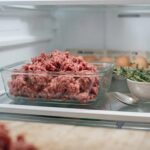
Place the pork bones in a large stockpot and cover with cold water. Bring to a boil over high heat and let boil for 10 minutes, which draws out impurities and excess blood from the bones. Drain the bones in a colander and rinse thoroughly under warm running water, scrubbing away any remaining scum, which results in a much cleaner, clearer broth once the long simmer begins.
- Step 2. Simmer the Broth
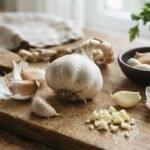
Return the blanched bones to the stockpot and cover with 10 cups of fresh water. Add half the garlic, ginger, and green onions, then bring to a boil before reducing to a steady simmer. Cook uncovered for 2 to 3 hours, skimming any foam periodically, until the broth turns rich, cloudy, and deeply flavorful, adding more water as needed to keep the bones mostly submerged throughout the long simmer.
- Step 3. Braise the Chashu Pork
While the broth simmers, combine the soy sauce, mirin, sugar, remaining garlic, and remaining 2 cups of water in a separate pot. Add the rolled pork belly and bring to a simmer, cooking covered for 1 hour 30 minutes, turning occasionally, until the pork is tender and deeply infused with the sweet soy braising liquid. Let the pork cool in its liquid before slicing thinly for serving.
- Step 4. Marinate the Eggs
Bring a small pot of water to a boil and gently lower in the eggs, cooking for exactly 6 to 7 minutes for a soft, jammy yolk. Immediately transfer the eggs to an ice bath to stop the cooking, then peel carefully. Submerge the peeled eggs in a portion of the reserved chashu braising liquid and refrigerate for at least 2 hours, or up to overnight, to absorb flavor and color.
- Step 5. Season the Broth
Once the pork broth has finished simmering, strain it through a fine mesh sieve into a clean pot, discarding the solids. Whisk in the miso paste and sesame oil, tasting and adjusting the seasoning with a splash of the reserved chashu braising liquid for extra depth. Keep the finished broth at a low simmer while you prepare the noodles and toppings.
- Step 6. Assemble the Bowls
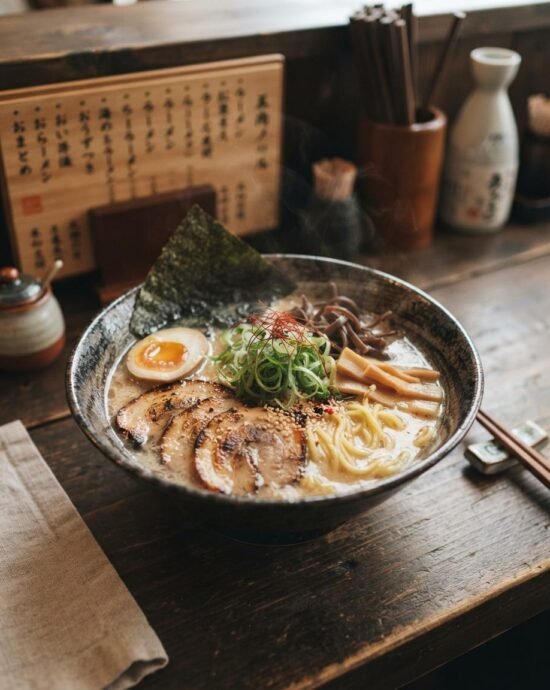
Bring a separate pot of water to a boil and cook the fresh ramen noodles according to the package instructions, typically 2 to 3 minutes, until tender but still chewy. Drain well and divide among four deep bowls. Ladle the hot broth over the noodles, then top each bowl with sliced chashu pork, a halved marinated egg, bamboo shoots, chopped green onion, and a sheet of nori. Serve immediately while piping hot.
- Calories:680 kcal34%
- Protein:38 g76%
- Carbohydrates:62 g23%
- Sugar:10 g11%
- Energy:2846 kJ34%
- Salt:2.8 g47%
- Fat:32 g46%
What is Ramen?
Ramen is a beloved Japanese noodle soup consisting of wheat noodles served in a rich, savory broth, most commonly built from simmered pork bones, and topped with an array of ingredients including sliced chashu pork, a soft marinated egg, bamboo shoots, and nori. Though the dish's origins trace back to Chinese wheat noodle soups introduced to Japan in the late nineteenth and early twentieth centuries, ramen has since evolved into an entirely distinct culinary tradition, with countless regional styles developing across Japan, from the rich, milky tonkotsu broth of Fukuoka to the lighter, soy-based shoyu ramen of Tokyo and the miso-forward broths associated with Hokkaido. What defines exceptional ramen is the painstaking care put into its broth, often simmered for many hours to extract maximum flavor and body from pork or chicken bones, resulting in a soup with remarkable depth and richness despite its relatively simple ingredient list. Equally important is the quality of the noodles themselves, which are alkaline wheat noodles specifically formulated to hold their springy, chewy texture even after prolonged contact with hot broth. Ramen shops across Japan are often intensely specialized, with chefs devoting entire careers to perfecting a single broth recipe, and the dish has become a subject of near-religious devotion among enthusiasts who travel specifically to try renowned ramen-ya. Beyond Japan, ramen has achieved massive global popularity, celebrated for its comforting warmth, satisfying umami depth, and the endless creative variety possible within its basic broth-and-noodle framework.
Ingredient Notes
- Pork Bones: Neck or back bones with plenty of marrow and connective tissue are essential for building a rich, collagen-heavy broth with real body.
- Pork Belly: Choose a well-marbled cut for the chashu, since the fat renders slowly during the braise, keeping the meat tender and flavorful.
- Fresh Ramen Noodles: Look for noodles specifically labeled for ramen, which contain kansui, an alkaline mineral water that gives them their signature springy bite and yellow color.
- Miso Paste: Stirred into the finished broth, miso adds a final layer of fermented, savory depth; use a light or medium variety for the most balanced flavor.
- Mirin: This sweet rice wine rounds out the chashu braising liquid with gentle sweetness and a glossy finish on the pork.
Ingredient Suggestions
- Corn kernels: A popular topping in Hokkaido-style ramen that adds a pop of sweetness and color.
- Butter: A small pat melted into the broth just before serving adds richness, especially common in miso ramen variations.
- Bean sprouts: Adds fresh crunch and lightens the richness of the broth with a satisfying textural contrast.
- Chili oil (rayu): A drizzle on top adds heat and a deeper aromatic complexity for those who enjoy a spicier bowl.
- Extra nori sheets: For those who love the briny, toasted flavor of seaweed, additional sheets enhance the umami of each bite.
Helpful Tips & Pro Tips
- If your broth tastes thin rather than rich, it likely was not simmered long enough; a proper pork bone ramen broth benefits from at least 2 to 3 hours of steady simmering.
- Blanching the bones before the long simmer is essential for a clean, clear-tasting broth free of impurities and excess fat.
- Cook the noodles just before serving and drain them well, since ramen noodles continue to absorb broth and can turn mushy if left sitting too long.
- Marinate the soft-boiled eggs for at least a few hours, though overnight produces a deeper flavor and more evenly colored yolk.
- Assemble each bowl quickly once the broth and noodles are ready, since ramen is meant to be served and eaten immediately while piping hot.
How to Serve and Store
Serve ramen immediately after assembling, piping hot, with chopsticks and a spoon so diners can enjoy the noodles and broth together. The broth keeps well on its own in an airtight container in the refrigerator for up to 4 days and freezes well for up to 3 months, making it a great make-ahead component. Store cooked noodles, chashu pork, and marinated eggs separately from the broth, since noodles will become mushy and eggs can over-marinate if left soaking too long; reheat the broth to a boil and assemble fresh bowls just before serving. Avoid storing fully assembled ramen, as the noodles absorb the broth and lose their signature chew within hours.
Substitutions
- Pork Bones and Belly → Mushroom and kombu broth with marinated tofu — A rich, plant-based approach that still delivers deep umami flavor. (Vegan)
- Soy Sauce → Tamari — Preserves the broth's savory depth while keeping the dish gluten-free. (Gluten-Free)
- Fresh Ramen Noodles → Dried ramen or instant noodles, seasoning packet discarded — A more affordable and widely available option that still delivers a satisfying chew. (Budget-Friendly)
- Pork Belly → Chicken thigh, braised — A leaner alternative that still becomes tender and flavorful in the same braising liquid.
- Miso Paste → Extra soy sauce — A simpler substitute for those who prefer a shoyu-style broth over a miso-based one.
Suggested Recipes
- Gyoza: Pan-fried dumplings that make a classic side dish alongside a steaming bowl of ramen.
- Udon & Soba: Other Japanese noodle dishes that offer a lighter alternative to ramen's rich, hearty broth.
- Tonkatsu: A crispy fried pork cutlet that pairs well on a larger Japanese comfort food menu alongside ramen.
- Miso Soup: A simple, comforting soup that shares ramen's use of miso for savory depth in a lighter format.

Jeff Smith
"Cooking is the intersection of history, science, and emotion."
For me, the kitchen has always been a laboratory of culture. With a background deeply rooted in digital strategy and precision, I approach the culinary arts with the same rigor I apply to the digital landscape—analyzing flavors, perfecting techniques, and documenting the nuance that makes Filipino cuisine truly world-class.
Findme Recipe was born from a desire to bridge the gap between traditional heritage and the modern home cook. Whether it is mastering the perfect balance of acidity in a classic Adobo or simplifying complex regional dishes for everyday kitchens, my mission is to preserve our culinary identity through accessible, data-backed, and delicious content.
I am not just building a database; I am cultivating a community where every Filipino kitchen feels empowered, every ingredient is celebrated, and every family heirloom recipe finds a place to thrive.
Join me as we translate the soul of our islands into recipes for the next generation.