
- Step 1: Build the Signature Batchoy Broth
La Paz Batchoy is built entirely on the quality of its broth, which must be deep, dark, and intensely savory to achieve its signature flavor. Combine pork bones and chicken bones in a large pot and cover with cold water. Bring to a boil, then drain and rinse the bones — this blanching step removes blood and impurities that cloud the broth. Return the cleaned bones to the pot with fresh water, one whole onion, a head of garlic, and peppercorns. Simmer covered over medium-low heat for at least one hour, skimming regularly. The broth should develop a deep golden-brown color and a rich, gelatinous mouthfeel from the collagen in the bones. Strain the broth through a fine mesh sieve, discarding solids, then season it with fish sauce, shrimp paste (guinamos), and black pepper. The guinamos is what gives La Paz Batchoy its distinctive, complex umami flavor that sets it apart from all other Filipino noodle soups.
- Step 2: Cook the Pork and Offal
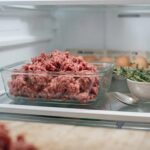
While the broth simmers, prepare the meats. Bring a separate pot of salted water to a boil and cook the pork strips until fully tender, about twenty-five to thirty minutes. Remove and set aside. In the same water, add the pre-cleaned pork intestines (which should have been boiled in vinegar water earlier) and cook for fifteen minutes until tender. Remove and slice into bite-sized rings. The pork liver is handled differently — it is added raw and cooked directly in the hot broth just before serving. Slice the liver very thinly, no more than three millimeters, which ensures it cooks through almost instantly in the hot soup without becoming grainy or tough. The beef is also thinly sliced and can be added to the hot broth briefly before serving. Having all meats prepped and ready before assembling the bowls ensures the final dish is assembled quickly and stays hot.
- Step 3: Prepare the Fried Garlic Topping
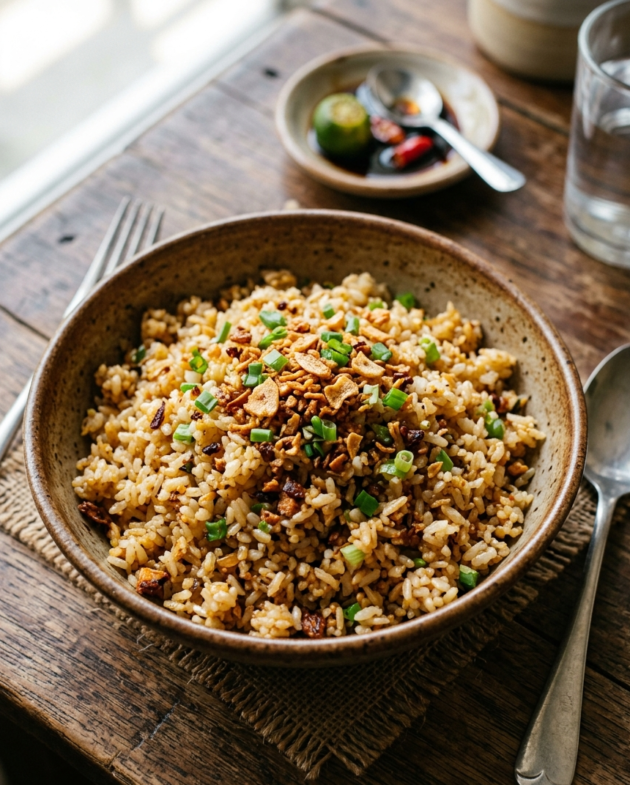
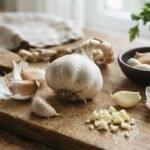
La Paz Batchoy's characteristic garnish is its generous layer of crispy fried garlic, which provides a nutty, aromatic, and slightly bitter contrast to the rich broth and fatty meats. Slice the garlic cloves very thinly using a sharp knife or mandoline for the most even frying. Heat one centimeter of cooking oil in a small saucepan over medium-low heat. Add the sliced garlic and cook slowly, stirring frequently, until the slices turn evenly golden and crispy. This process should take five to seven minutes on medium-low heat — rushing it on high heat results in burnt outer edges while the centers remain pale. Remove with a fine mesh strainer the moment the garlic reaches pale gold; carryover heat will turn it fully golden. Drain on paper towels and season with a tiny pinch of salt while still hot. The fried garlic can be made up to three days ahead and stored in an airtight container.
- Step 4: Cook the Noodles Separately
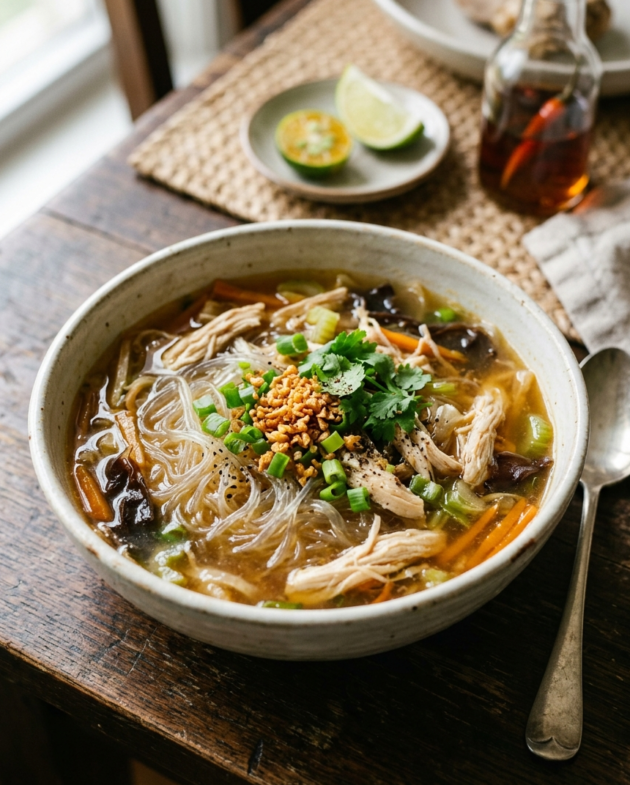
Bring a separate pot of unsalted water to a rolling boil. Add the fresh bihon (rice vermicelli) or round egg noodles and cook according to package instructions, usually two to four minutes for fresh noodles. The noodles should be slightly underdone — they will continue cooking slightly when placed in the hot broth. Drain immediately and rinse briefly with cold water to stop the cooking and prevent clumping. Do not let the noodles sit in cold water for more than thirty seconds, as they will absorb too much water and become waterlogged. Divide the partially cooked noodles among serving bowls before ladling the hot broth over them. Cooking the noodles separately from the broth is critical — noodles cooked directly in the broth absorb large amounts of liquid and turn the beautiful clear broth cloudy and starchy within minutes.
- Step 5: Bring the Broth to a Final Simmer
Bring the seasoned broth back to a strong simmer over medium-high heat. Add the thinly sliced liver and beef directly to the simmering broth and cook for just two to three minutes — enough to cook the liver through while keeping it tender and slightly pink inside. If preferred fully cooked, leave for four minutes maximum. The liver at this point should be uniformly grayish-brown with no remaining red. Taste the broth one final time and make any last adjustments — the broth should be intensely savory, deeply colored, slightly oily with rendered pork fat on the surface, and aromatic with the unique complexity of guinamos shrimp paste underneath. If it tastes too sharp or salty, add a small amount of unseasoned broth or water. The signature batchoy broth should have layers of flavor — savory, slightly funky from the shrimp paste, and warming from the black pepper.
- Step 6: Assemble the Bowls and Serve
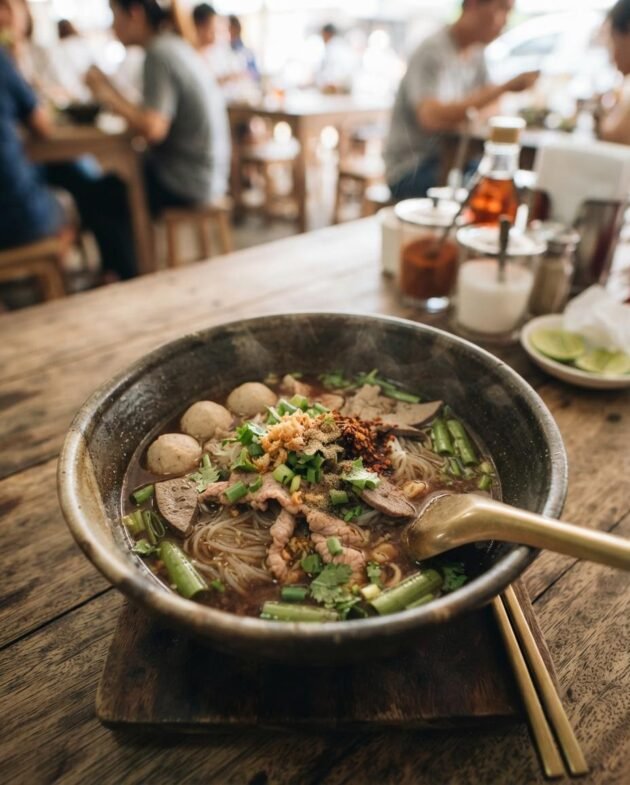
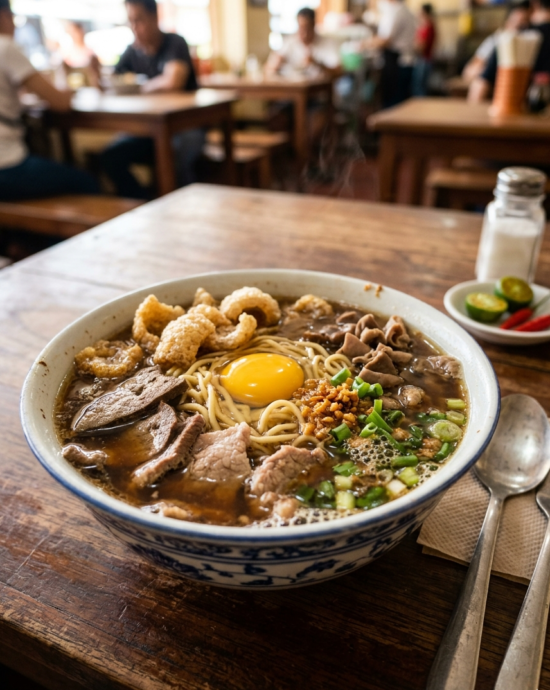
Assemble La Paz Batchoy by placing a portion of cooked noodles in the bottom of each deep bowl. Arrange slices of the cooked pork strips, intestine rings, and beef over the noodles. Ladle the hot broth with the liver slices generously over everything, ensuring each bowl has a good proportion of all meats and plenty of broth. Top each bowl immediately with a generous mound of crushed chicharon — this should be substantial, not just a sprinkle, as the pork crackling is one of the defining features of authentic La Paz Batchoy. Scatter the crispy fried garlic generously over the chicharon. Finish with sliced spring onions. In the original La Paz market stalls in Iloilo, a raw egg is cracked directly into the boiling hot broth of each bowl tableside — the heat of the broth gently cooks the egg into silky ribbons. Offer this option to diners.
- Calories:510 kcal26%
- Protein:38 g76%
- Carbohydrates:32 g11%
- Sugar:2 g2%
- Fat:25 g32%
Table of Contents
What Is La Paz Batchoy?
La Paz Batchoy is one of the Philippines’ most iconic noodle soups, originating in the La Paz public market in Iloilo City in the Visayas region of the Philippines. Created in the 1930s by a Chinese-Filipino vendor named Federico Guillergan Sr., La Paz Batchoy was initially sold as a street food that combined Chinese noodle soup techniques with Filipino pork offal and shrimp paste flavors. Today, it is considered one of the defining dishes of Ilonggo cuisine and is synonymous with Iloilo City itself, drawing food tourists from across the Philippines and internationally to the original market stalls where it has been served for nearly a century. The dish features fresh round egg noodles or bihon submerged in a deeply savory, rich pork-and-chicken broth that has been seasoned with guinamos — a potent Visayan shrimp paste — along with fish sauce and black pepper. The broth is topped with combinations of pork strips, beef, pork liver, and intestines, then finished with the dish’s most distinctive elements: mountains of crushed chicharon (pork cracklings) and heaps of crispy fried garlic. The layering of these garnishes is not merely decorative — the chicharon slowly softens in the hot broth, releasing additional pork fat and flavor, while the fried garlic adds a nutty, aromatic counterpoint. What elevates La Paz Batchoy above other Filipino noodle soups is the complexity and depth of its broth, built from long-simmered bones and flavored with the unique funk of guinamos. Each spoonful delivers multiple layers of flavor simultaneously: savory, smoky, slightly fermented, rich, and deeply warming.
Ingredient Notes
- Guinamos (Visayan Shrimp Paste) Guinamos is the Visayan version of fermented shrimp paste and the secret ingredient that gives La Paz Batchoy its irreplaceable depth of flavor. It has a more pungent, funkier character than bagoong alamang from Luzon. Look for it in Filipino specialty stores or use regular bagoong as a close substitute.
- Fresh Round Egg Noodles: Authentic La Paz Batchoy uses fresh, round egg noodles that have a chewy, slightly eggy character. Pre-packaged fresh noodles from Asian grocery stores are ideal; avoid thin rice vermicelli, which absorbs the broth too quickly and loses its texture within minutes.
- Chicharon: Chicharon is not a garnish in La Paz Batchoy — it is a structural component. Use large, airy pieces of pork crackling that will soften slowly in the broth rather than immediately dissolving. The best batchoy chicharon has thick, airy bubbles rather than dense, hard sheets.
Ingredient Suggestions
- Raw Egg — A raw egg cracked into the hot bowl of batchoy creates silky egg ribbons — the original and most authentic serving style at La Paz market stalls.
- Pork Kidney — Add thinly sliced pork kidney for an additional offal depth that is traditional in premium batchoy preparations.
- Bone Marrow — Include a short section of beef shin bone per bowl for the ultra-rich bone marrow that melts into the broth.
- Extra Guinamos on the Side — Serve additional guinamos on the side for diners who want to intensify the fermented shrimp paste flavor of their bowl.
Helpful Tips & Pro Tips
- The quality of La Paz Batchoy is almost entirely determined by the quality of its broth. Invest the full one to two hours in simmering the bones properly and do not use shortcuts like bouillon cubes alone. A rich, gelatinous broth that jiggles when cold is the mark of a properly made batchoy base.
- Crush the chicharon just before serving, not in advance. Pre-crushed chicharon loses its airy structure quickly and becomes powdery rather than maintaining the desirable irregular, chunky texture. Crush each portion by hand directly into the bowl just before serving.
- The fried garlic is best made in large batches since it stores well and the process takes time. Thin, even slices fried slowly at medium-low heat produce the golden, crispy, nutty result that defines authentic batchoy — thick slices or high heat creates bitter, unevenly cooked garlic.
- Why does my La Paz Batchoy broth lack depth? Insufficient bones and too-short simmering time are the most common culprits. Use at least one kilogram of mixed bones per two liters of water and simmer for a minimum of ninety minutes. Adding a tablespoon more guinamos and fish sauce can also deepen a broth that tastes flat.
How to Serve and Store
La Paz Batchoy must be served immediately after assembly — the chicharon begins softening after about five minutes in the hot broth, and the noodles continue absorbing liquid, so any delay results in a very different textural experience. Each component — noodles, meats, broth, and garnishes — should be at their optimal state simultaneously. Store leftover broth and meats separately in the refrigerator for up to three days. Reheat the broth to a strong simmer before reassembling with freshly cooked noodles and new garnishes. The broth can be frozen for up to two months.
Substitutions
- Guinamos → Regular bagoong alamang — Luzon shrimp paste is a passable substitute, though La Paz Batchoy purists will insist the flavor difference is significant.
- Pork intestines → Pork shoulder — For a more accessible version without offal, thick-cut pork shoulder slices provide meatiness without the cleaning process.
- Fresh egg noodles → Dry ramen noodles — Dry ramen provides a similar chewiness; cook one minute less than package instructions to account for carryover cooking in the hot broth.
- Beef slices → Chicken breast — For a lighter protein option, poached and shredded chicken breast works well in the flavorful broth.
- Chicharon → Fried wonton strips — Provides a similar initial crunch for a non-pork version of the garnish.
- Fish sauce → Coconut aminos — For those reducing sodium, coconut aminos provides some umami depth at a lower salt level.
Suggested Recipes
- Batchoy Tagalog — The Luzon cousin to La Paz Batchoy, a clear pork soup without noodles that shares the offal tradition.
- Lomi Batangas — Another thick, hearty Filipino noodle soup with pork and eggs that represents the same comfort-food tradition.
- KBL (Kadyos, Baboy, Langka) — An iconic Ilonggo soup made with pigeon peas, pork, and jackfruit that showcases the same regional Visayan cuisine.
- Pancit Molo — An Ilonggo dumpling soup that is another point of pride in Iloilo’s rich culinary heritage.
Frequently Asked Questions

Jeff Smith
"Cooking is the intersection of history, science, and emotion."
For me, the kitchen has always been a laboratory of culture. With a background deeply rooted in digital strategy and precision, I approach the culinary arts with the same rigor I apply to the digital landscape—analyzing flavors, perfecting techniques, and documenting the nuance that makes Filipino cuisine truly world-class.
Findme Recipe was born from a desire to bridge the gap between traditional heritage and the modern home cook. Whether it is mastering the perfect balance of acidity in a classic Adobo or simplifying complex regional dishes for everyday kitchens, my mission is to preserve our culinary identity through accessible, data-backed, and delicious content.
I am not just building a database; I am cultivating a community where every Filipino kitchen feels empowered, every ingredient is celebrated, and every family heirloom recipe finds a place to thrive.
Join me as we translate the soul of our islands into recipes for the next generation.