
- The Bone Marrow Braise

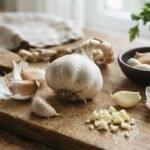
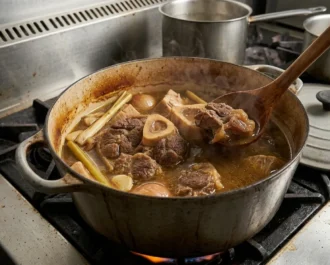
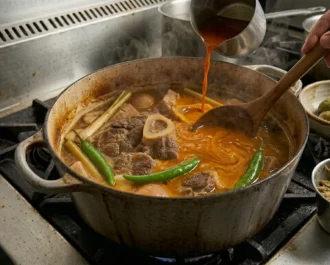
Place the beef shanks and chuck in a large pot and cover with water. Bring to a boil for ten minutes, then drain and rinse the meat to ensure a clear broth. Refill the pot with two liters of fresh water and add the pounded lemongrass, ginger, garlic, and onions. Bring to a boil once more, then lower the heat to a simmer. Cover and allow the beef to cook for about two hours or until the tendons are gelatinous and the meat is falling-off-the-bone tender. This slow-braising process is essential for extracting the rich marrow and collagen, providing the soup with a deep, savory body that is the hallmark of a professional Ilonggo Cansi. The lemongrass adds a bright, citrusy aroma from the start.
- The Batuan Sour Infusion
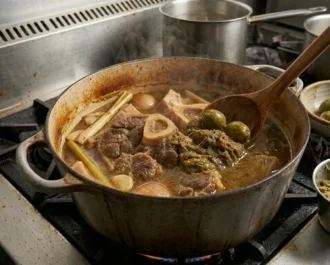
Once the beef is tender, add the batuan fruit to the pot. If using whole fruit, simmer until soft, then remove and mash in a bowl with a little broth before returning the pulp to the pot. Batuan is the traditional souring agent of the Negros region, providing a unique, mellow tartness that is distinct from tamarind or calamansi. This "sour-savory" balance is the core identity of Cansi. If you cannot find batuan, a tamarind paste can be used, though the flavor will be slightly different. The acidity of the fruit perfectly cuts through the heavy fats of the beef marrow, creating a broth that is both rich and refreshing. This stage is crucial for achieving the authentic flavor profile that Ilonggos cherish.
- Adding the Annatto Glow
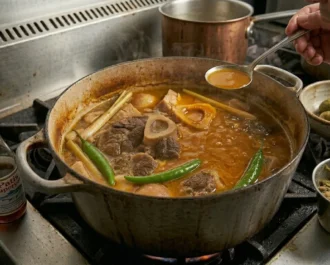
Pour in the annatto (atsuete) water and add the long green chilies. The annatto provides a beautiful, vibrant orange color that is characteristic of Cansi, making it visually distinct from its cousin, Bulalo. The chilies add a subtle peppery aroma and a very mild heat that enhances the overall flavor without making it overly spicy. Stir gently to ensure the color is evenly distributed throughout the broth. This stage brings a festive and appetizing look to the dish, transforming the clear soup into a glowing, orange-hued masterpiece. The combination of the citrusy lemongrass, the tart batuan, and the earthy annatto creates a complex and sophisticated aroma that will fill your kitchen and entice your guests.
- The Final Flavor Balancing
Season the broth with fish sauce, adjusting the amount to reach your preferred level of saltiness. Allow the Cansi to simmer for another ten to fifteen minutes so the flavors can fully meld together. The final broth should be intensely beefy, refreshingly tart, and beautifully orange, with the melt-in-your-mouth beef and rich marrow as the stars. Taste and adjust the seasoning one last time, adding more batuan pulp if you prefer it more sour. This final balancing stage is where you fine-tune the "sour-savory" harmony that makes Cansi so addictive. The marrow should remain intact within the bone, ready to be enjoyed as a decadent treat. This dish is a true testament to the regional culinary expertise of the Visayas.
- Traditional Presentation and Service
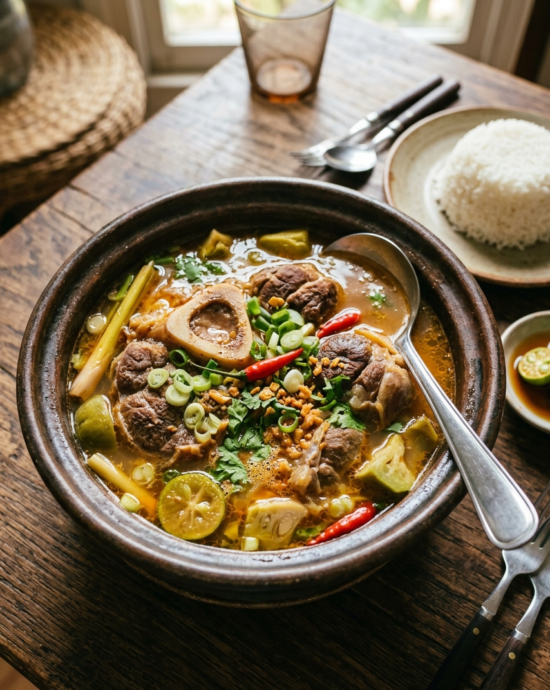
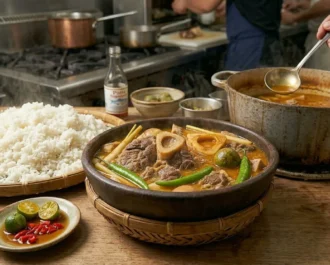
Ladle the hot Cansi into a large communal bowl, ensuring each serving includes a piece of beef shank with marrow and a generous amount of the orange broth. Serve immediately while steaming hot. The essential companion to this dish is a mountain of warm, plain white rice. You can also provide a small saucer of fish sauce with calamansi and chilies for dipping the meat. The interaction between the rich, fatty marrow and the tart, aromatic broth is a legendary culinary experience. This is a dish meant for slow, appreciative eating, often associated with home-cooked family lunches or a visit to the vibrant food stalls of Bacolod. Enjoy the unique and soul-warming flavors of this Western Visayan masterpiece.
- Calories:420 kcal21%
- Energy:1,757 kj21%
- Protein:32 g64%
- Carbohydrates:8 g3%
- Sugar:2 g2%
- Salt:1.3 g22%
- Fat:28 g36%
Table of Contents
What Is Beef Cansi?
Beef Cansi is the quintessential “soul food” of Bacolod City and the Negros region, a hearty Ilonggo soup that beautifully marries the rich beefiness of Bulalo (beef marrow soup) with the bright, fruity sourness of Sinigang. Slow-simmered for hours until the beef shank surrenders into spoon-tender pieces and the marrow bones release their silky richness into the broth, Cansi sits at the crossroads of indulgence and restraint — decadent in body, refreshingly tart on the palate. Historically, Cansi is a dish of the land, utilizing the native batuan fruit as a souring agent, a small green Visayan fruit that grows abundantly in the lush, volcanic landscape of Negros and gives the soup its signature mellow, almost fruity acidity. The dish has been passed down through generations of Ilonggo households, each family guarding their preferred level of sourness and broth richness as a point of culinary pride.
The flavor profile of Beef Cansi is a masterful blend of deep, marrow-rich beefiness, the bright citrusy perfume of lemongrass (tanglad), and the mellow, fruity tartness of batuan, all woven together into a clear, glowing-orange broth that smells like home to anyone raised in Western Visayas. Beef shank with bone-in marrow is the traditional cut of choice because its abundant collagen breaks down during long simmering into a body-warming, gelatinous broth, while the marrow itself becomes a prized delicacy spooned out and spread over hot rice or eaten straight from the bone. Regional variations within Negros itself are subtle but spirited — some Bacolodnon households add annatto (atsuete) for a deeper orange hue, others lean heavier on lemongrass for a more aromatic broth, and certain rural Ilonggo recipes incorporate jackfruit or unripe papaya for added body and sweetness.
The dish is also closely related to other Filipino sour beef soups like Sinigang na Baka and Bulalo, sharing DNA with the broader family of clear-broth Filipino comfort soups but distinguishing itself through the unique character of batuan and the Ilonggo preference for marrow-forward richness. Beef Cansi is typically served as the centerpiece of family meals, weekend gatherings, and rainy-day cravings, with simple roadside “cansihan” eateries in Bacolod elevating it to a regional institution. Its slow-simmered nature makes it ideal for batch cooking and meal prep, as the broth deepens and clarifies overnight into something even more soul-warming. To eat Beef Cansi is to experience the vibrant, flavorful, and hospitable spirit of the Western Visayas in every glowing, orange spoonful — it is undeniably a must-try for anyone exploring authentic regional Filipino cooking.
Ingredient Notes
- Beef Shank with Bone Marrow: The best cut for Beef Cansi is bone-in beef shank because of the marrow-filled bones that release silky richness into the broth as they simmer. Look for shank cuts with thick rings of marrow and bright red meat — avoid bones that appear dry, hollow, or grayish.
- Batuan Fruit: This is the soul of Cansi, a native Visayan souring fruit with a mellow, almost fruity tartness that is gentler than tamarind or kamias. Fresh batuan is preferred but bottled or frozen batuan works well when fresh is unavailable; choose firm green fruits without bruising or soft spots for the cleanest sourness.
- Lemongrass (Tanglad): Fresh lemongrass stalks add a bright citrusy perfume that defines the aroma of authentic Cansi. The best stalks should be pale green at the base, firm, and fragrant when crushed — bruise them with the back of a knife before adding to release their essential oils into the broth.
- Unripe Jackfruit (Langka): Young green jackfruit adds body, mild sweetness, and a satisfying meaty texture that contrasts beautifully with the tender beef. Choose jackfruit that is firm and pale green; canned green jackfruit in brine works as a convenient substitute, well-rinsed before using.
- Annatto Seeds (Atsuete): These tiny brick-red seeds give Cansi its signature glowing orange hue without adding strong flavor. Steep the seeds briefly in warm oil or water and strain — avoid using the seeds directly in the broth as they can lend a slightly gritty texture.
- Onions, Garlic, and Ginger: This aromatic trio forms the savory backbone of the broth. Use fresh, firm produce and bruise the ginger and garlic before adding to release their full aromatic potential into the simmering liquid.
Ingredient Suggestions
- Saba Banana: Adds a subtle starchy sweetness and silky texture that balances the tartness of the batuan — a beloved addition in many Bacolodnon households.
- Green Chili (Siling Pansigang): Adds a gentle, fragrant heat that brightens the broth without overpowering the delicate sourness; throw in whole near the end of cooking.
- Camote or Gabi: Sweet potatoes or taro root add hearty substance and naturally thicken the broth as their starches release during the final simmer.
- Patola or Sitaw: Sliced sponge gourd or string beans added in the last 10 minutes provide a fresh vegetal note and additional body to the soup.
- Bone Marrow on the Side: Reserve extra marrow bones and serve them on the side as a luxurious add-on — spreading the warm marrow on toasted pandesal is a classic Bacolodnon indulgence.
- Bird’s Eye Chili (Siling Labuyo): For those who like heat, a few sliced labuyo stirred in at the end transforms Cansi into a fiery, spicy version popular in some Negros provincial households.
Helpful Tips & Pro Tips
- Skim the Broth Diligently: Skipping the skimming step is the most common reason Beef Cansi ends up cloudy and muddied in flavor. As the beef shank first comes to a boil, foam and impurities rise to the surface and must be skimmed away patiently for the first 20 to 30 minutes. A clean broth is the mark of an experienced Ilonggo cook and the foundation of an authentic Cansi.
- Bloom the Annatto Properly: Steep the annatto seeds in warm oil or hot water for 5 to 10 minutes, then strain before adding the colored liquid to the broth. Adding the seeds directly causes them to leak grit into the soup and produces an uneven color. Properly bloomed annatto delivers that signature glowing orange hue without compromising broth clarity.
- Why Is My Cansi Tough? If your beef is tough after cooking, it simply hasn’t simmered long enough. Beef shank contains significant connective tissue that requires prolonged low, gentle heat — never a rolling boil — to break down into gelatin. A proper Cansi takes a minimum of 2 to 3 hours of simmering, with some Bacolodnon households simmering even longer for the most luxurious texture.
- Add the Batuan in Stages: For the most layered sourness, add half of the batuan early in the simmer to allow its flavor to integrate deeply with the broth, then add the rest in the final 30 minutes for a fresher, brighter top note of acidity. Tasting and adjusting throughout is essential since batuan varies in tartness fruit to fruit.
- Rest Before Serving: Always allow the finished soup to rest off the heat for 10 to 15 minutes before ladling. Resting allows the fat to rise and the flavors to settle, producing a clearer, more harmonious broth and more tender bites of shank with every serving.
How to Serve and Store
Beef Cansi is best served piping hot in deep bowls alongside generous portions of steamed white rice, with the marrow bones placed prominently on top so diners can scoop out the prized marrow themselves. For an authentic Ilonggo experience, serve with a small saucer of patis (fish sauce) and freshly sliced calamansi on the side for diners to season their bowls to taste. The dish pairs wonderfully with a side of sinamak (Visayan spiced vinegar) for dipping the beef pieces, and a chilled glass of fresh buko juice or an ice-cold San Mig Light to balance the soup’s richness.
Leftover Beef Cansi keeps exceptionally well. Store in an airtight container in the refrigerator for up to 3 to 4 days — the flavors deepen and clarify significantly overnight, making it an excellent make-ahead dish. For longer storage, freeze in portioned containers for up to 2 months. Thaw overnight in the refrigerator before reheating. Reheat gently on the stovetop over low heat with a splash of water if the broth has reduced too much, or microwave covered on medium power until heated through. Avoid reboiling the marrow bones aggressively as it can cause the marrow to dissolve completely into the broth.
Substitutions
- Batuan → Tamarind or Sampalok (Pantry Alternative): Fresh or paste tamarind provides a similar sour profile, though sharper and tangier than the mellow batuan; use slightly less and taste as you go.
- Batuan → Green Mango or Kamias: Both are excellent regional alternatives that mimic batuan’s fruity acidity; green mango adds a touch of sweetness while kamias delivers a cleaner, sharper sour note.
- Beef Shank → Beef Short Ribs (Premium Upgrade): Bone-in short ribs deliver even more marbling and richness, producing a more decadent broth — a popular upgrade in modern restaurant versions of Cansi.
- Annatto → Paprika or Turmeric (Color Substitute): Paprika lends similar warm color and a mild sweetness, while turmeric produces a deeper golden hue with a slight earthy note; both work in a pinch when annatto is unavailable.
- Unripe Jackfruit → Green Papaya: Unripe papaya offers a similar crunchy-yet-tender texture and absorbs the broth beautifully — a common Visayan kitchen swap when jackfruit is out of season.
- Beef → Oxtail (Richer Variation): Oxtail produces an even more gelatinous, body-warming broth thanks to its higher collagen content, transforming Cansi into a luxurious gourmet version perfect for special occasions.
- Beef → Jackfruit and Mushrooms (Vegan): For a plant-based version, combine young jackfruit and king oyster mushrooms with a robust vegetable broth; while not traditional, the meaty textures produce a surprisingly satisfying meat-free Cansi.
Suggested Recipes
- Bulalo: The Tagalog beef marrow soup cousin to Cansi, focused purely on the rich, clear beef broth without the sour batuan element — a Batangas-Cavite favorite.
- Sinigang na Baka: The classic Filipino sour beef soup made with tamarind, sharing Cansi’s tart-savory character but without the marrow-forward richness and lemongrass aromatics.
- KBL (Kadyos, Baboy, Langka): Another iconic Ilonggo soup that uses batuan as a souring agent, featuring pigeon peas, pork, and unripe jackfruit — Cansi’s sister dish from the same Negros region.
- La Paz Batchoy: The famous Ilonggo noodle soup originating from La Paz, Iloilo, sharing Cansi’s Ilonggo soul-food heritage but in a noodle-and-pork-cracklings format perfect for breakfast or merienda.