
- Brown the Beef for Depth of Flavor

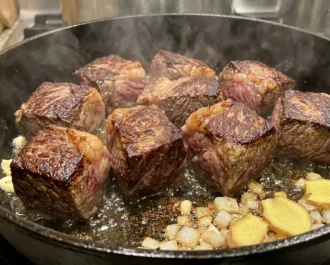
Cut the beef brisket into generous 2-inch cubes, trimming excess fat but leaving some marbling for flavor. Season lightly with salt and pepper. Heat cooking oil in a large pot over high heat until nearly smoking. Working in batches to avoid overcrowding, sear the beef cubes on all sides until deeply browned — about 3–4 minutes per side. The caramelized crust you develop here is crucial for the deep, complex flavor of beef pares. Manila's best pares restaurants spend extra time on this browning step, knowing it is the foundation of everything that follows. Remove browned beef to a plate. In the same pot, reduce heat to medium and sauté the crushed garlic, diced onion, and sliced ginger until softened and golden, about 5 minutes. The aromatics will pick up the browned beef fond and begin building the pares braising liquid.
- Build the Sweet Soy-Anise Braising Liquid
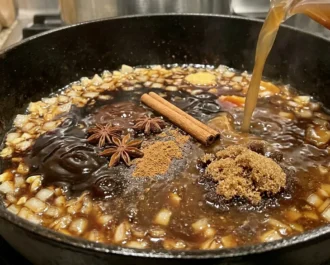
To the softened aromatics, add the soy sauce, oyster sauce, and hoisin sauce, stirring to combine. Add the star anise, cinnamon stick, and five-spice powder, stirring them into the sauce base. Cook for 2 minutes to bloom the dried spices in the sauce. Add the brown sugar and stir until dissolved — the sweetness of pares is one of its defining characteristics and should be front and center in the flavor profile. Pour in the beef broth or water and stir everything together. Return the seared beef to the pot, ensuring all pieces are submerged in the braising liquid. The liquid combination of soy sauce, oyster sauce, hoisin, and brown sugar with star anise is the signature pares formula — it creates a deeply savory-sweet sauce with the distinctive licorice note of star anise that makes pares instantly recognizable.
- Low and Slow Braise
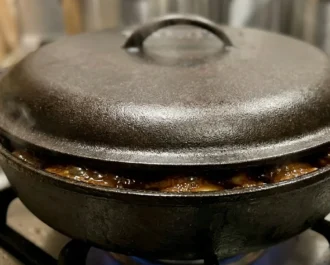
Bring the pot to a boil over high heat, then immediately reduce to the lowest possible simmer. Cover tightly and braise for 1.5 to 2 hours, stirring occasionally to prevent sticking and to ensure even flavor distribution. During the braising process, the connective tissue in the beef brisket breaks down slowly, transforming tough collagen into gelatin that enriches the braising liquid and coats every piece of meat. The star anise and cinnamon will perfume the entire sauce, and the soy and sugar will gradually caramelize and concentrate. After 1 hour, taste the braising liquid and adjust the sweetness or saltiness to your preference. Continue cooking until the beef is tender enough to cut with a spoon — it should offer almost no resistance. This long, patient braising is non-negotiable for authentic pares texture.
- Reduce the Sauce to a Glaze
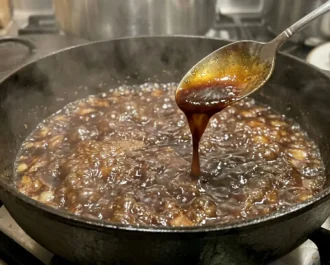
Once the beef is perfectly tender, remove the pieces from the pot and set aside. Remove the star anise and cinnamon stick. Increase heat to medium-high and reduce the remaining braising liquid until it thickens into a glossy, syrupy glaze — about 10–15 minutes of active reduction, stirring frequently to prevent burning. The sauce should reduce by about half, becoming noticeably thicker and more intensely flavored. This reduced sauce is what makes pares glossy and sticky rather than soupy. Return the beef to the pot and toss gently to coat every piece in the reduced glaze. Add the sesame oil and stir to incorporate — the sesame oil adds a final aromatic richness that signals classic beef pares. Taste one final time and adjust sweetness, saltiness, or spice intensity as needed.
- Serve the Manila Way
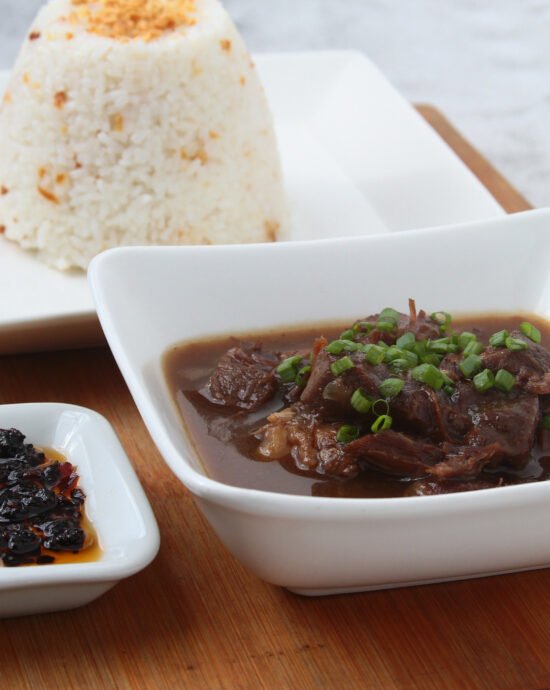
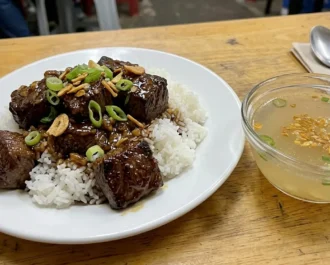
Authentic Manila-style beef pares must be served with three inseparable companions: steamed white rice, a bowl of clear garlic broth (fried garlic in hot water or light beef broth), and the pares itself. Arrange the glazed beef over a mound of steamed rice, spooning extra sauce over the top generously. Scatter sliced green onions and crispy fried garlic over the beef. Serve the bowl of clear garlic broth alongside as the drinking soup component — Manila street food vendors always include this simple broth, which refreshes the palate between bites of the rich, sweet beef. This combination of pares, rice, and broth is the complete Manila street food experience and should not be simplified. The name pares itself means pairs in Spanish, referring to this pairing of the braised beef with its accompanying broth.
- Calories:440 kcal22%
- Protein:42 g84%
- Carbohydrates:16 g5%
- Sugar:9 g9%
- Fat:22 g28%
- Salt:1.8 g30%
- Energy:1841 kJ22%
Table of Contents
What Is Beef Pares?
Beef Pares is a Manila street food institution — a sweet, soy-braised beef dish served over rice with a side of clear garlic broth that has nourished countless Filipinos through late nights, early mornings, and everything in between. The dish is synonymous with Manila’s distinctive working-class food culture, particularly associated with the 24-hour pares tapsi restaurants that dot every barangay in Metro Manila.
The name pares, from the Spanish for pairs, refers to the inseparable pairing of the braised beef with its accompanying broth — a simple combination that has achieved near-sacred status in Manila food culture. No self-respecting pares vendor would serve the beef without the broth, and no regular customer would dream of eating one without the other.
The flavor profile of pares is distinctly Chinese-Filipino in character, reflecting the significant influence of Chinese-Filipino (Chinoy) cooking on Manila’s street food landscape. The combination of soy sauce, oyster sauce, hoisin, star anise, cinnamon, and brown sugar is lifted directly from the Cantonese-influenced stewing tradition known as tau yu bak or red-braised pork, adapted for beef and sweetened to Filipino palates.
Bisita (customer) queues at legendary pares establishments like Razon’s, Mang Jimmy’s, and countless unnamed carinderia operations form as early as dawn, with regular patrons ordering by habit rather than menu. Beef pares has transcended its street food origins to appear on restaurant menus and home dining tables throughout the Philippines, but its soul remains in the steam-clouded carinderia window where it began.
Ingredient Notes
- Beef Brisket: Brisket has the perfect fat-to-muscle ratio for pares — enough marbling for flavor and richness without being overly fatty. The flat cut works best; point cut is richer but more difficult to slice cleanly.
- Star Anise: The licorice note of star anise is the signature aroma of beef pares. Use whole pods rather than ground for a cleaner, more nuanced flavor. Remove them before serving to prevent unpleasant biting into a pod.
- Brown Sugar: Light brown sugar provides the characteristic sweetness of pares. Dark brown sugar adds a molasses note that works well. Adjust quantity based on personal preference — authentic pares is noticeably sweet.
- Hoisin Sauce: This thick Chinese sauce adds depth, sweetness, and a slightly fermented complexity that differentiates pares from simpler soy-braised dishes. Do not substitute or omit — it is an essential flavor component.
Ingredient Suggestions
- Soft-Boiled Eggs (Nitamago-style): Marinated in the pares sauce after boiling, these add protein and absorb the sweet soy flavor beautifully.
- Tofu Puffs: Fried tofu added in the last 20 minutes soaks up the braising liquid and adds textural variety.
- Extra Star Anise: Those who love the anise note can add one extra pod for a more pronounced licorice presence.
- Gochujang (1 tsp): A small amount adds a subtle Korean-inspired heat that works surprisingly well with the sweet soy base.
Helpful Tips & Pro Tips
- Why Is My Pares Sauce Not Thick Enough? Insufficient reduction is the cause. After removing the beef, boil the sauce aggressively for 10–15 minutes without the lid until it reduces to a thick glaze. Add a teaspoon of cornstarch mixed with water for instant thickening if needed.
- The Fried Garlic Is Not Optional Crispy fried garlic over beef pares is part of the essential flavor experience. Make a large batch by frying thin-sliced garlic in oil until golden and store in an airtight jar for up to a week.
- Balance Sweet and Salty Carefully Pares should taste noticeably sweet but not candy-like. If the sweetness overwhelms, add a splash of soy sauce. If too salty, add a teaspoon of sugar. Taste repeatedly during the reduction stage.
- Use the Braising Liquid as Your Broth Base Dilute 2–3 tablespoons of the reserved braising liquid with hot water and a few slices of fried garlic to create the authentic pares side broth. This connects the two components with a unified flavor thread.
How to Serve and Store
Beef pares stores exceptionally well and is a favorite make-ahead meal in Filipino households. Store in an airtight container in the refrigerator for up to 4 days. The sauce will thicken and gel when cold due to gelatin from the brisket — this is ideal. Reheat over low heat on the stovetop, adding a splash of water to loosen. Pares freezes beautifully for up to 2 months in airtight containers. Thaw overnight and reheat gently. The flavor deepens significantly with overnight resting, making pares an ideal dish to prepare the day before a gathering or busy work week.
Substitutions
- Beef Brisket → Beef chuck or beef shin — both braise beautifully with similar collagen content and flavor.
- Oyster Sauce → Vegetarian oyster sauce (mushroom-based) — maintains depth for vegetarians; nearly identical in application.
- Hoisin Sauce → Spicy bean paste (toban djan) — different flavor profile but provides similar fermented depth.
- Brown Sugar → Honey or muscovado sugar — both add complexity beyond plain brown sugar’s sweetness.
- Star Anise → Chinese five-spice powder (increase to 1.5 tsp) — provides the anise note alongside other warm spices.
Suggested Recipes
- Beef Tapa: Another Manila breakfast staple, marinated and pan-fried rather than braised, but equally beloved.
- Bistek Tagalog: A soy-based Filipino beef dish with contrasting sour calamansi notes rather than pares’ sweetness.
- Beef Salpicao: A quick garlic beef stir-fry that shares pares’ deep beef-and-soy character in a fraction of the time.