
- Step 1: Prepare and Marinate the Beef
Cut the beef tenderloin or sirloin into 1.5-inch cubes — not too small, as salpicao should feature substantial, satisfying beef pieces that showcase the quality of the cut. Pat each cube completely dry with paper towels — this is absolutely critical for achieving the proper sear. Any surface moisture will cause the beef to steam rather than sear, resulting in grey, uncaramelized pieces that lack the caramelized crust essential to salpicao. In a bowl, combine the beef cubes with Worcestershire sauce, soy sauce, liquid seasoning, cracked black pepper, salt, and brown sugar. Toss to coat evenly and let marinate for at least 15 minutes at room temperature. During this time, the Worcestershire sauce begins working on the beef fibers, and the seasonings begin to permeate each cube.
- Step 2: Fry the Garlic Chips First
Beef salpicao lives or dies by its garlic, so proper preparation of both the cooking garlic and the garnish garlic is essential. For the garnish, thinly slice 8–10 garlic cloves and fry in 2 tablespoons of oil over medium-low heat until pale golden and crispy — about 5–7 minutes, stirring constantly. Remove immediately when golden as they will continue cooking from residual heat. Set aside on paper towels. Over-fried garlic becomes bitter; remove when light golden for sweet, crispy results. The remaining minced garlic will be cooked fresh with the beef. Having both versions — minced cooked garlic in the sauce and crispy sliced garlic as garnish — creates a complex, layered garlic experience that is the defining characteristic of excellent beef salpicao.
- Step 3: Sear the Beef Over Maximum Heat
This is the most critical step in the entire recipe. Heat the remaining oil in a large wok or heavy skillet over the highest heat your stove produces. When the oil is shimmering and beginning to smoke, add the marinated beef cubes in a single layer without overcrowding — work in 2 batches if necessary. The moment the beef touches the pan, do not move it. Allow each piece to develop a deep, dark-brown crust for 60–90 seconds before turning. Sear only 60–90 seconds per side — you want a hard sear on the outside while the center remains medium-rare to medium. Salpicao should never be cooked through to well-done. Remove the seared beef immediately and do not allow residual cooking to continue. This ultra-high-heat, short-time sear is what produces the caramelized exterior and juicy, pink interior that makes beef salpicao exceptional.
- Step 4: Build the Garlic Butter Sauce
Reduce heat to medium. In the same pan with all the beef drippings, add the butter and allow it to melt. Add the minced fresh garlic and cook for 1–2 minutes until fragrant and golden — not browned. Add the oyster sauce and any remaining marinade from the bowl, stirring to combine with the butter, garlic, and drippings. Cook for 1 minute, allowing the sauce to reduce slightly and intensify. Taste at this stage — the sauce should be intensely garlicky, savory from the oyster sauce and Worcestershire, with a rounded, buttery richness. Add a pinch of sugar if needed to balance. The sauce should be glossy and coating rather than watery. Return the seared beef cubes to the pan and toss quickly to coat in the garlic butter sauce — no more than 30–60 seconds as the beef should remain no more than medium doneness.
- Step 5: Plate and Top with Crispy Garlic
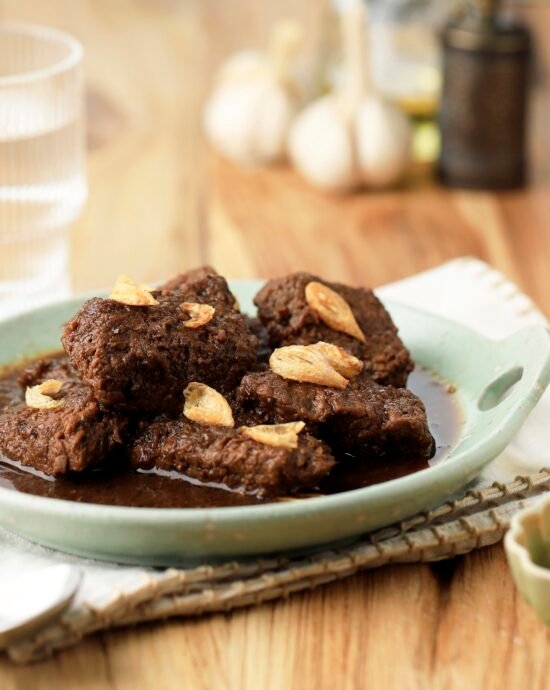
Transfer the beef salpicao immediately to a warm serving plate — do not allow it to sit in the pan and continue cooking. Arrange the beef pieces attractively, then pour all the garlic butter sauce from the pan over the top. Top generously with the crispy fried garlic chips, which provide a textural contrast between crunchy and tender and an additional garlic flavor dimension that elevates salpicao above a simple stir-fry. Garnish with freshly chopped parsley for color and a clean herbal note. Serve immediately — salpicao waits for no one. Every minute it sits after plating, the beef continues cooking from residual heat. This is a dish that demands immediate eating. Accompany with steamed white rice, which is essential for absorbing the extraordinary garlic butter sauce. Garlic-lovers will want extra rice.
- Calories:380 kcal19%
- Protein:32 g64%
- Carbohydrates:5 g2%
- Sugar:2 g2%
- Fat:25 g32%
Table of Contents
What Is Beef Salpicao?
Beef Salpicao is a Filipino beef stir-fry of Spanish colonial origin that has established itself as one of the most popular and beloved restaurant beef dishes in the Philippines. Quick to prepare, intensely flavored, and visually impressive, salpicao has crossed from restaurant menus into Filipino home cooking, becoming a staple of weeknight dinners and special occasion meals alike.
The name comes from the Spanish salpicón, referring to a type of minced meat dish, but the Filipino version has evolved far from its origins into something distinctly local. The defining characteristic of Filipino beef salpicao is its extraordinary use of garlic — often a full head or more — combined with the distinctive flavor trio of Worcestershire sauce, oyster sauce, and soy sauce. This combination creates a deeply savory, slightly sweet, intensely aromatic sauce that is quintessentially Filipino in its layering of multiple umami sources.
The use of premium beef cuts — typically tenderloin or sirloin — distinguishes salpicao from most Filipino beef dishes, which historically relied on tougher, more economical cuts that required long braising. Salpicao celebrates the finest cuts with a cooking method that respects their natural tenderness: high-heat, short-time searing that produces a caramelized exterior while keeping the interior juicy and pink.
Butter is another key element — unusual in traditional Filipino cooking but essential to the indulgent richness of salpicao’s sauce. The combination of butter, garlic, and Worcestershire creates a sauce of extraordinary savoriness that has made beef salpicao one of the dishes most frequently requested for birthdays, anniversaries, and special family meals across the Philippines.
Ingredient Notes
- Beef Tenderloin: Tenderloin produces the most luxuriously tender salpicao. Sirloin is a more affordable option with excellent flavor from its slight marbling. Never use stewing cuts for salpicao — the quick searing method suits only naturally tender cuts.
- Worcestershire Sauce: This is the secret weapon of beef salpicao. Its complex fermented, tamarind-and-anchovy base adds a depth that no other sauce replicates. Use a full-quality brand and do not reduce the quantity.
- Garlic (Full Heads): Authentic beef salpicao uses an extravagant amount of garlic — both cooked into the sauce and fried crispy as a garnish. This double garlic approach creates layered, complex garlic flavor that is the dish’s signature.
- Butter: Unsalted butter produces the richest, most controllable sauce. The fat carries the garlic flavor and gives the sauce its luxurious, glossy finish. Do not substitute with margarine or vegetable oil.
Ingredient Suggestions
- Button Mushrooms: Sliced and sautéed alongside the beef for an earthy, meaty accompaniment.
- Cream (2 tbsp): A small amount stirred into the sauce creates a creamier, restaurant-style finish.
- Red Chili Flakes: A pinch adds background heat that contrasts with the buttery richness.
- Lemon or Calamansi Zest: A small grating of citrus zest over the finished dish adds brightness.
Helpful Tips & Pro Tips
- Why Is My Beef Grey Instead of Brown?: Grey beef results from two problems: moisture on the surface and overcrowding the pan. Always pat beef completely dry and never cook more pieces than fit in a single layer with space between them. A smoking-hot pan and dry beef produce the deep-brown sear.
- Do Not Cook Past Medium: Salpicao with beef tenderloin or sirloin should be served medium to medium-rare. Overcooking these premium cuts produces tough, dry, flavorless beef that wastes the quality of the cut entirely. The high sear is for crust, not doneness.
- The Garlic Must Be Generous: First-time salpicao makers consistently under-garlic their dish. A full head of garlic is the minimum for 500g of beef. The characteristic garlic intensity is non-negotiable and is what makes salpicao recognizable.
- Work Quickly on High Heat: Salpicao is a fast dish by design. Have all ingredients prepared and at hand before you start cooking. The entire dish from first sear to plate should take no more than 8–10 minutes of actual cooking.
How to Serve and Store
Beef salpicao is ideally consumed immediately after preparation. The premium beef cuts become significantly tougher when refrigerated and reheated, and the crispy garlic garnish will lose its crunch. If storage is necessary, refrigerate the beef and sauce together for up to 2 days. Reheat over high heat very quickly — no more than 1–2 minutes total — to minimize additional cooking. Never reheat salpicao in the microwave as it will cook the beef to well-done. Serve over freshly steamed rice to reinvigorate the dish.
Substitutions
- Beef Tenderloin → Beef sirloin or eye of round — slightly less tender but more affordable; pat very dry before searing.
- Worcestershire Sauce → Soy sauce + fish sauce + a drop of tamarind — approximates the complexity at a fraction of the cost.
- Oyster Sauce → Mushroom oyster sauce — vegetarian substitute with similar sweet-savory depth.
- Butter → Ghee — similar richness with a slightly nuttier, more aromatic note that complements garlic beautifully.
- Liquid Seasoning → Additional soy sauce — use half the amount as liquid seasoning is more concentrated.
Suggested Recipes
- Beef Tapa: Another quick Filipino beef preparation that showcases quality beef with minimal sauce interference.
- Beef Pares: A slow-braised sweet soy beef dish that contrasts salpicao’s quick-fire approach with patient, deep flavoring.
- Bistek Tagalog: A soy-based Filipino beef dish with thinly sliced beef and onion rings — a close cousin to salpicao.
Frequently Asked Questions

Jeff Smith
"Cooking is the intersection of history, science, and emotion."
For me, the kitchen has always been a laboratory of culture. With a background deeply rooted in digital strategy and precision, I approach the culinary arts with the same rigor I apply to the digital landscape—analyzing flavors, perfecting techniques, and documenting the nuance that makes Filipino cuisine truly world-class.
Findme Recipe was born from a desire to bridge the gap between traditional heritage and the modern home cook. Whether it is mastering the perfect balance of acidity in a classic Adobo or simplifying complex regional dishes for everyday kitchens, my mission is to preserve our culinary identity through accessible, data-backed, and delicious content.
I am not just building a database; I am cultivating a community where every Filipino kitchen feels empowered, every ingredient is celebrated, and every family heirloom recipe finds a place to thrive.
Join me as we translate the soul of our islands into recipes for the next generation.