
- Marinate the beef
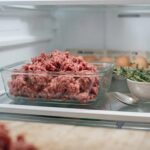
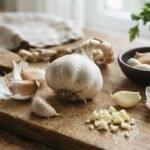
In a medium bowl, combine the ground beef with 2 tablespoons soy sauce, 1 tablespoon sesame oil, 2 cloves minced garlic, and the brown sugar. Mix thoroughly with clean hands or a spoon until the seasoning is evenly distributed through the meat. Cover the bowl and let it rest at room temperature for at least 15 minutes so the flavors penetrate the beef. While it marinates, prepare your vegetables so everything is ready to cook in sequence. This short marinating window is enough to build a savory-sweet base without requiring advance planning, making bibimbap realistic for a weeknight dinner rather than a weekend project.
- Cook the vegetables separately
Heat 1 teaspoon vegetable oil in a skillet over medium-high heat and saute the carrot with a pinch of salt for 2 minutes until just tender, then transfer to a plate. Repeat with the zucchini, cooking 2 minutes, and the mushrooms, cooking 3 minutes with a dash of soy sauce and garlic. Blanch the spinach in boiling water for 30 seconds, shock in cold water, squeeze dry, and season with sesame oil, salt, and a clove of garlic. Blanch the bean sprouts for 2 minutes, then season the same way. Keeping each vegetable in its own pile preserves distinct texture and color, which is the visual signature of a proper bibimbap bowl.
- Cook the beef
Wipe out the skillet and heat the remaining tablespoon of oil over medium-high heat. Add the marinated beef in a single layer and let it sear undisturbed for a minute before breaking it apart with a spatula. Continue cooking for 5 to 6 minutes, stirring occasionally, until the meat is fully browned and any liquid has evaporated so the beef is glossy rather than soupy. Taste and adjust with a splash more soy sauce if needed. Remove from the heat and set aside, loosely covered, to keep warm while you fry the eggs and assemble the bowls.
- Fry the eggs
In a nonstick pan, heat a thin layer of oil over medium heat. Crack each egg into the pan individually, spacing them apart, and cook sunny-side up for 2 to 3 minutes until the whites are fully set but the yolks remain runny. Season with a small pinch of salt. A runny yolk is essential to bibimbap because it becomes part of the sauce once stirred into the rice, adding richness that balances the spicy gochujang. If you prefer a firmer yolk, cover the pan for the last minute of cooking to steam the top without flipping the egg.
- Make the sauce
In a small bowl, whisk together the gochujang, remaining 2 tablespoons soy sauce, remaining 2 tablespoons sesame oil, remaining 2 cloves garlic, rice vinegar, and toasted sesame seeds until smooth. Taste and adjust the balance of heat, sweetness, and acidity to your preference, adding a touch more sugar if you want a milder sauce. This sauce is what ties every separate component together, so make it generously; leftover sauce keeps well in the refrigerator for future bowls. Set it on the table so each diner can add as much as they like.
- Assemble the bowls
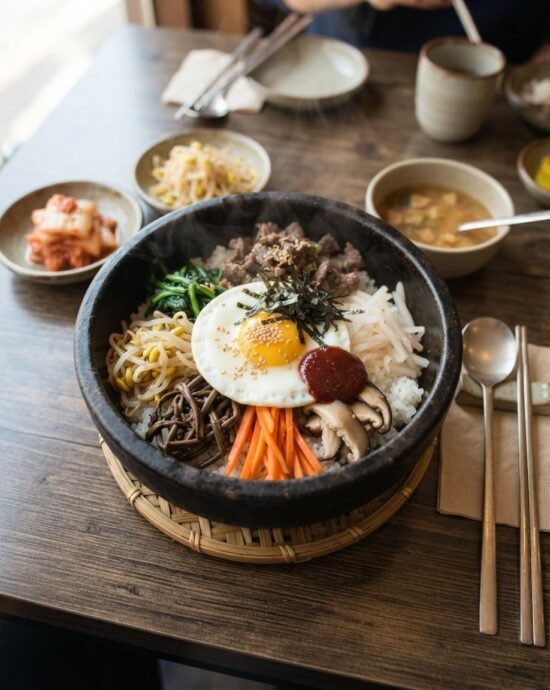
Divide the warm rice among four bowls, spreading it in an even layer. Arrange the beef and each vegetable in its own wedge around the rice, working clockwise so the colors alternate. Place a fried egg in the center of each bowl and sprinkle with extra sesame seeds. Serve immediately with the gochujang sauce on the side or drizzled on top. Just before eating, stir everything together vigorously so the egg yolk, sauce, and rice combine into a cohesive, well-seasoned dish. This final mixing step is traditional and essential to the bibimbap experience.
- Calories:520 kcal25%
- Protein:28 g56%
- Carbohydrates:58 g21%
- Sugar:9 g10%
- Energy:2176 kJ26%
- Salt:1.8 g30%
- Fat:19 g27%
What is Bibimbap?
Bibimbap is a Korean rice bowl composed of warm short-grain rice topped with an assortment of seasoned vegetables, marinated meat, a fried egg, and a spoonful of gochujang chili paste, all mixed together just before eating. The name literally translates to “mixed rice,” a fitting description for a dish built entirely around the ritual of combining separate components into one harmonious bite. Bibimbap traces its roots to the Korean royal court and rural farming traditions alike, where leftover banchan, or side dishes, were repurposed into a single satisfying bowl rather than wasted. Over time it evolved into one of Korea’s most iconic exports, celebrated for its balance of color, texture, and nutrition. Each element is cooked and seasoned independently, which means the carrots stay crisp, the spinach stays tender, and the beef stays savory, all before they are folded together into something greater than the sum of their parts. The gochujang sauce provides heat and umami depth, while the runny egg yolk adds silkiness that coats every grain of rice once stirred. Bibimbap is prized not only for its flavor but for its adaptability, since nearly any vegetable or protein can be swapped in based on the season or what is on hand. Whether served in a simple bowl or a sizzling stone dolsot that crisps the bottom layer of rice, bibimbap remains a comforting, complete meal that showcases the balance central to Korean home cooking.
Ingredient Notes
- Gochujang: This fermented Korean chili paste provides the dish’s signature heat and umami; choose one labeled with a shorter ingredient list and a deep brick-red color for the most authentic flavor.
- Short-grain rice: Short-grain or medium-grain rice gives bibimbap its slightly sticky texture, which helps the bowl hold together once mixed; avoid long-grain rice, which stays too separate.
- Sesame oil: Toasted sesame oil, not the raw variety, delivers the nutty aroma that defines Korean seasoning; store it in a cool, dark place since it can turn rancid quickly once opened.
- Bean sprouts: Look for firm, white sprouts with crisp stems and no browning, as fresher sprouts hold their crunch better after blanching and seasoning.
- Ground beef: An 80/20 blend keeps the beef juicy after searing; leaner cuts can dry out quickly in the hot pan and lose the savory richness the dish relies on.
Ingredient Suggestions
- Kimchi: A few spoonfuls of chopped kimchi add tang and extra fermented depth that pairs naturally with the gochujang sauce.
- Toasted seaweed strips (gim): Crumbled or shredded seaweed adds a briny, savory layer and a pop of texture on top of the rice.
- Sliced avocado: A modern, non-traditional addition that adds creaminess similar to the egg yolk, especially nice for a lighter version.
- Pickled radish: A tangy, crunchy contrast that cuts through the richness of the beef and egg.
- Extra gochujang or gochugaru: For those who love heat, an extra spoonful of chili paste or a sprinkle of Korean chili flakes intensifies the spice level.
Helpful Tips & Pro Tips
- Cook each vegetable separately rather than all at once; combining them in one pan muddies the flavors and colors that make bibimbap visually distinctive.
- If your bibimbap tastes bland, the issue is usually under-seasoned vegetables — season each one individually with salt, garlic, or sesame oil rather than relying on the sauce alone to carry the dish.
- Use day-old rice if possible, since freshly steamed rice can be too wet and clump together once the sauce is mixed in.
- For a crispy-bottomed version, press the assembled rice and toppings into a very hot, oiled cast iron or stone bowl and let it sit undisturbed for a few minutes before serving.
- Warm your bowls before plating so the dish stays hot longer, especially important since bibimbap is meant to be mixed and eaten immediately.
- Taste your gochujang sauce before adding it in full; brands vary widely in saltiness and heat, so start with less and add more to taste.
How to Serve and Store
Serve bibimbap immediately after assembling, with the gochujang sauce on the side so each person can mix in their preferred amount, and pair it with a simple side of kimchi or Korean pickles for extra tang. If you have leftovers, store the rice, cooked vegetables, beef, and sauce in separate airtight containers in the refrigerator for up to 3 days, keeping any fried egg separate since it does not reheat well. Reheat the rice and beef in a covered skillet or microwave until warmed through, then top with freshly fried egg before serving. Bibimbap does not freeze well due to the fresh vegetables and egg, so it is best enjoyed within a few days of cooking.
Substitutions
- Ground beef → Firm tofu, pan-fried until golden — A plant-based swap that still absorbs the savory marinade and adds protein. (Vegan)
- Soy sauce → Tamari or coconut aminos — Both provide a similar salty depth while keeping the dish free of gluten. (Gluten-Free)
- Fresh shiitake mushrooms → Frozen mixed vegetables, thawed — A budget-friendly way to fill out the bowl without buying several fresh vegetables. (Budget-Friendly)
- Fried egg → Soft-scrambled tofu or omit entirely — Keeps the bowl fully plant-based while still adding a soft, creamy texture.
- White rice → Brown rice or cauliflower rice — A lower-glycemic or lower-carb base for those watching their carbohydrate intake.
Suggested Recipes
- Bulgogi: Uses the same sweet-savory marinade technique and pairs naturally as a bibimbap topping.
- Japchae: Another vegetable-forward Korean staple that shares bibimbap’s emphasis on balanced textures.
- Doenjang Jjigae: A comforting soybean paste stew that makes a traditional side dish alongside a bibimbap bowl.
- Kimchi Jjigae: A spicy, fermented stew that complements bibimbap’s milder rice base with bold contrast.

Jeff Smith
"Cooking is the intersection of history, science, and emotion."
For me, the kitchen has always been a laboratory of culture. With a background deeply rooted in digital strategy and precision, I approach the culinary arts with the same rigor I apply to the digital landscape—analyzing flavors, perfecting techniques, and documenting the nuance that makes Filipino cuisine truly world-class.
Findme Recipe was born from a desire to bridge the gap between traditional heritage and the modern home cook. Whether it is mastering the perfect balance of acidity in a classic Adobo or simplifying complex regional dishes for everyday kitchens, my mission is to preserve our culinary identity through accessible, data-backed, and delicious content.
I am not just building a database; I am cultivating a community where every Filipino kitchen feels empowered, every ingredient is celebrated, and every family heirloom recipe finds a place to thrive.
Join me as we translate the soul of our islands into recipes for the next generation.