
- Slice the beef thin
If not using pre-sliced meat, place the beef in the freezer for 30 minutes to firm it up, which makes it much easier to slice paper-thin against the grain. Thin slicing is essential to bulgogi since it allows the meat to marinate quickly and cook in just a minute or two on high heat. Aim for slices about an eighth of an inch thick, similar to what you would find at a Korean grocery store meat counter. Uniform thickness also ensures every piece cooks at the same rate, preventing some slices from overcooking while others remain underdone.
- Make the marinade
In a large bowl, whisk together the soy sauce, brown sugar, grated Asian pear, grated onion, minced garlic, grated ginger, sesame oil, and black pepper until the sugar dissolves. The grated pear is a traditional Korean technique that both sweetens the marinade and naturally tenderizes the beef through its enzymes, giving bulgogi its characteristic melt-in-your-mouth texture. If Asian pear is unavailable, a grated kiwi or apple can approximate the tenderizing effect, though the flavor will differ slightly. Taste the marinade before adding the beef and adjust the sweetness or saltiness to your preference.
- Marinate the beef
Add the sliced beef to the marinade and use your hands to massage the sauce into every piece, ensuring even coverage. Cover the bowl tightly and refrigerate for at least 30 minutes, though 2 to 4 hours produces a noticeably deeper flavor and more tender texture. Avoid marinating longer than 24 hours, as the natural enzymes in the pear can eventually break the meat down too much, turning it mushy rather than tender. Bring the beef to room temperature for about 10 minutes before cooking so it sears evenly rather than steaming in the pan.
- Sear the beef
Heat the vegetable oil in a large skillet or grill pan over high heat until it is very hot and just beginning to smoke. Working in batches to avoid crowding the pan, add the beef in a single layer and let it sear undisturbed for about a minute before flipping. Cook for 2 to 3 minutes total per batch, until the edges are caramelized and slightly charred but the meat remains juicy. Crowding the pan causes the beef to steam in its own liquid rather than sear, so keep batches small and the heat consistently high.
- Finish and serve
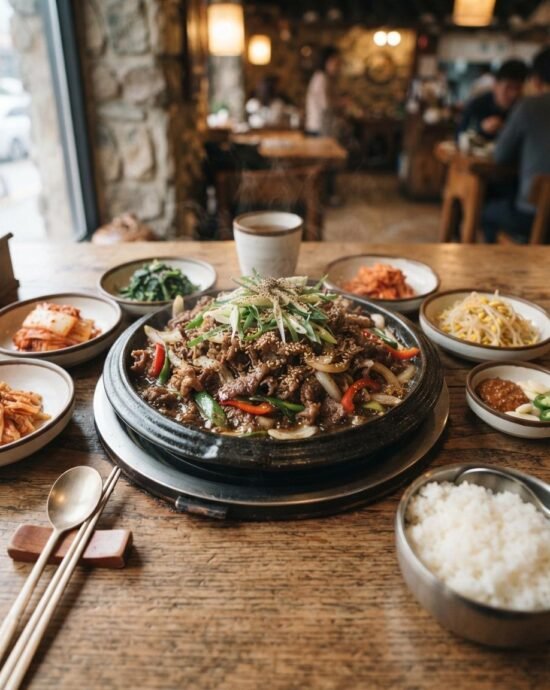
Transfer the seared beef to a serving platter and repeat with the remaining batches, keeping the beef warm under loose foil as you go. Once all the beef is cooked, scatter the chopped green onions and toasted sesame seeds over the top. Serve immediately with steamed rice, lettuce leaves for wrapping, and a selection of banchan. Bulgogi is best eaten hot off the pan, when the caramelized edges are still crisp and the interior is tender and juicy.
- Calories:410 kcal21%
- Protein:32 g64%
- Carbohydrates:14 g5%
- Sugar:10 g11%
- Energy:1715 kJ21%
- Salt:1.9 g32%
- Fat:24 g34%
What is Bulgogi?
Bulgogi is a beloved Korean dish of thinly sliced beef marinated in a sweet and savory soy-based sauce, then grilled or pan-seared until caramelized at the edges and tender throughout. The name translates literally to fire meat, a reference to the traditional method of grilling the marinated beef over an open flame, though today it is just as commonly cooked on a stovetop griddle or skillet in home kitchens. Bulgogi origins trace back centuries to royal Korean court cuisine, where skewered, marinated meat called maekjeok was prepared for special occasions; over time the dish evolved into the sliced, grilled preparation recognized worldwide today. Its defining characteristic is the marinade, a careful balance of soy sauce, sugar, garlic, sesame oil, and grated Asian pear or onion, which not only flavors the meat but also tenderizes it naturally, resulting in beef that is remarkably soft despite using relatively lean cuts. Bulgogi is typically served alongside steamed rice, lettuce leaves for wrapping bite-sized portions, and an assortment of banchan, making it a highly interactive and social dish often centered around a tabletop grill. Its approachable sweetness and umami depth have made it one of the most internationally recognized Korean dishes, frequently serving as an entry point for newcomers to Korean cuisine. Whether prepared for a festive gathering or a quick weeknight dinner, bulgogi remains a defining example of the balance between sweet, savory, and smoky that characterizes so much of Korean cooking.
Ingredient Notes
- Ribeye or sirloin: Choose a cut with some marbling, since the fat renders during searing and keeps the thin slices from drying out; ribeye is the most forgiving option for beginners.
- Asian pear: This ingredient is key to authentic bulgogi, as its natural enzymes tenderize the beef while adding a subtle sweetness; look for firm, unblemished pears at a Korean or Asian grocery store.
- Soy sauce: A regular, all-purpose soy sauce works best here; low-sodium versions can be used but may require slightly more salt elsewhere in the marinade to balance the flavor.
- Sesame oil: Toasted sesame oil adds the nutty aroma essential to Korean marinades; add it directly to the raw marinade rather than cooking it, since high heat can make it bitter.
- Green onions: Fresh green onions add a sharp, bright finish that cuts through the richness of the caramelized beef; slice them thinly right before serving for the best texture.
Ingredient Suggestions
- Sliced onion: Cooking sliced onion alongside the beef adds sweetness and a soft, caramelized texture that complements the meat.
- Toasted sesame leaves (kkaennip): These fragrant leaves are a traditional wrap alongside lettuce and add a distinctive herbal note.
- Sliced mushrooms: Enoki or shiitake mushrooms cooked with the beef soak up the marinade and add an earthy dimension.
- Kimchi: Serving bulgogi with a side of kimchi adds tangy contrast that balances the marinade’s sweetness.
- Extra garlic and ginger: For those who love bold aromatics, doubling the garlic and ginger deepens the marinade’s complexity.
Helpful Tips & Pro Tips
- If your bulgogi turns out tough rather than tender, the beef was likely sliced too thick or against the grain incorrectly; always slice thinly and against the muscle fibers.
- Do not overcrowd the pan when searing, as this causes the beef to steam and release excess liquid instead of developing the caramelized char that defines great bulgogi.
- Freezing the beef for 30 minutes before slicing makes achieving thin, even slices significantly easier, even with a standard kitchen knife.
- Let marinated beef sit at room temperature briefly before cooking, since very cold meat added to a hot pan can lower the temperature too much and prevent proper searing.
- Save any leftover marinade that has not touched raw meat and simmer it briefly to use as an extra sauce drizzled over the finished dish.
- Cook bulgogi over the highest heat your stove allows; a screaming-hot pan is what creates the signature caramelized, slightly smoky edges.
How to Serve and Store
Serve bulgogi hot off the pan with a big bowl of steamed rice, fresh lettuce or perilla leaves for wrapping, and an array of banchan such as kimchi, pickled radish, and seasoned bean sprouts. Leftover bulgogi keeps well in an airtight container in the refrigerator for up to 3 days and reheats nicely in a hot skillet for a minute or two to restore some of the caramelized texture. For longer storage, bulgogi can be frozen either raw in its marinade or fully cooked for up to 2 months; thaw overnight in the refrigerator before cooking or reheating. Avoid microwaving leftovers for too long, as this can cause the thin beef slices to become rubbery.
Substitutions
- Beef → Thinly sliced king oyster mushrooms — A hearty, umami-rich plant-based option that absorbs the marinade beautifully. (Vegan)
- Soy sauce → Tamari or coconut aminos — Provides the same salty, umami base while keeping the marinade gluten-free. (Gluten-Free)
- Ribeye → Flank steak or chuck — A more affordable cut that still becomes tender when sliced thin and marinated properly. (Budget-Friendly)
- Asian pear → Grated kiwi or apple — Both offer similar natural tenderizing enzymes when Asian pear is unavailable.
- Brown sugar → Honey or maple syrup — A liquid sweetener alternative that dissolves easily into the marinade.
Suggested Recipes
- Bibimbap: Bulgogi is a classic topping for bibimbap, sharing the same sweet-savory marinade profile.
- Japchae: A stir-fried noodle dish that pairs naturally with bulgogi for a complete Korean spread.
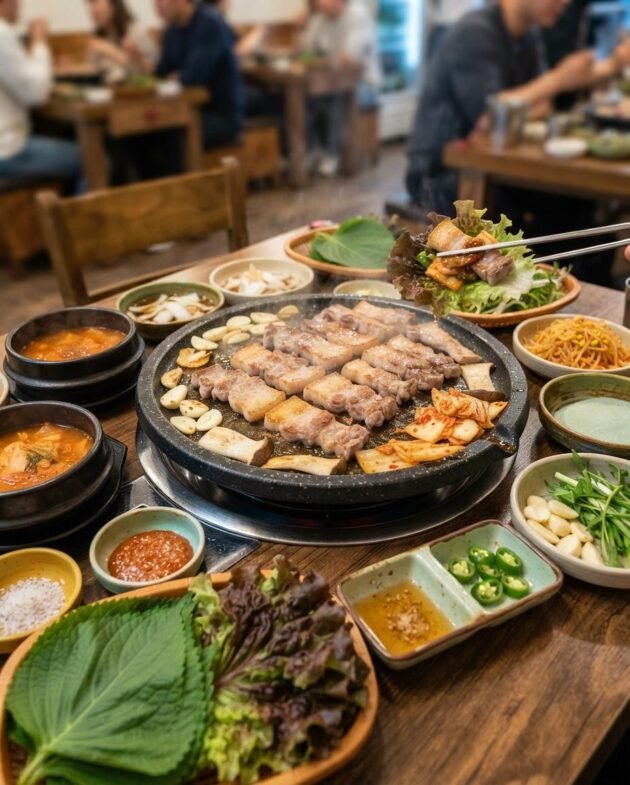
- Samgyeopsal: Another beloved Korean grilled meat dish, ideal for fans of interactive tabletop cooking.
- Galbi: Grilled short ribs that share bulgogi’s sweet soy marinade but offer a richer, bone-in bite.

Jeff Smith
"Cooking is the intersection of history, science, and emotion."
For me, the kitchen has always been a laboratory of culture. With a background deeply rooted in digital strategy and precision, I approach the culinary arts with the same rigor I apply to the digital landscape—analyzing flavors, perfecting techniques, and documenting the nuance that makes Filipino cuisine truly world-class.
Findme Recipe was born from a desire to bridge the gap between traditional heritage and the modern home cook. Whether it is mastering the perfect balance of acidity in a classic Adobo or simplifying complex regional dishes for everyday kitchens, my mission is to preserve our culinary identity through accessible, data-backed, and delicious content.
I am not just building a database; I am cultivating a community where every Filipino kitchen feels empowered, every ingredient is celebrated, and every family heirloom recipe finds a place to thrive.
Join me as we translate the soul of our islands into recipes for the next generation.