
- Searing and Browning the Meat

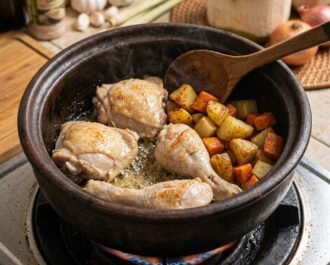
Heat the cooking oil in a large pot over medium-high flame. Once the oil is shimmering, add the chicken pieces and sear until the skin turns a light golden brown. This initial frying stage is vital as it prevents the chicken from becoming soggy in the tomato sauce later. Remove the chicken from the pot and set it aside. In the same oil, lightly fry the cubed potatoes and carrots until they have a slightly crisp exterior. Pre-frying the vegetables ensures they maintain their shape and don't break apart during the long simmering process. This step builds the first layer of savory flavor and provides the dish with a professional, appetizing appearance once it is eventually plated.
- Building the Aromatic Base
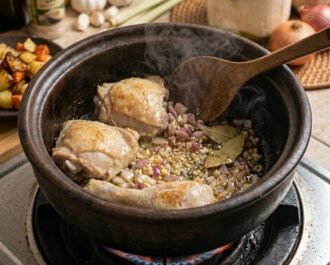
With the pot still over medium heat, sauté the chopped onions and minced garlic in the remaining oil. Cook until the onions are soft and translucent and the garlic releases its nutty, toasted fragrance. Return the browned chicken pieces to the pot and stir in the fish sauce. Let the chicken cook with the aromatics for about three minutes; this traditional "sangkutsa" technique allows the saltiness to penetrate deep into the meat fibers. Add the dried bay leaves at this stage to begin infusing the oil with their subtle, herbal aroma. This aromatic foundation is what separates a rich, soulful Afritada from a simple tomato stew, providing a complex and savory back-note to every single bite.
- Developing the Tomato Sauce
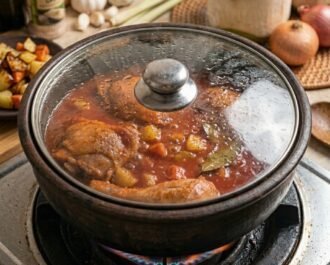
Pour in the tomato sauce and the chicken broth or water. Stir the mixture thoroughly to combine all the ingredients, ensuring the chicken is mostly submerged. Bring the liquid to a steady boil, then immediately lower the heat to a gentle simmer. Cover the pot and allow the chicken to braise for approximately twenty to twenty-five minutes. This slow-cooking process allows the acidity of the tomato sauce to mellow out while the natural juices of the chicken enrich the broth. The sauce will begin to thicken and turn a deep, vibrant red. This stage is crucial for achieving the perfect consistency—a sauce that is rich and hearty enough to cling to the chicken and vegetables.
- Incorporating the Garden Vegetables
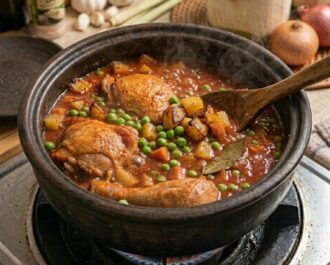
Add the pre-fried potatoes, carrots, and green peas to the pot. Stir gently to integrate these components into the simmering sauce. Continue to cook for another ten minutes until the potatoes are tender enough to be pierced easily with a fork. Adding the vegetables toward the end prevents them from becoming overcooked or mushy, preserving their individual textures and colors. The potatoes also act as a natural thickener for the sauce, releasing a small amount of starch as they finish cooking. This creates a harmonious blend of tender protein and hearty vegetables, which is the hallmark of a well-balanced Filipino "ulam" (main dish) designed for a satisfying family dinner or festive gathering.
- The Final Colorful Flourish
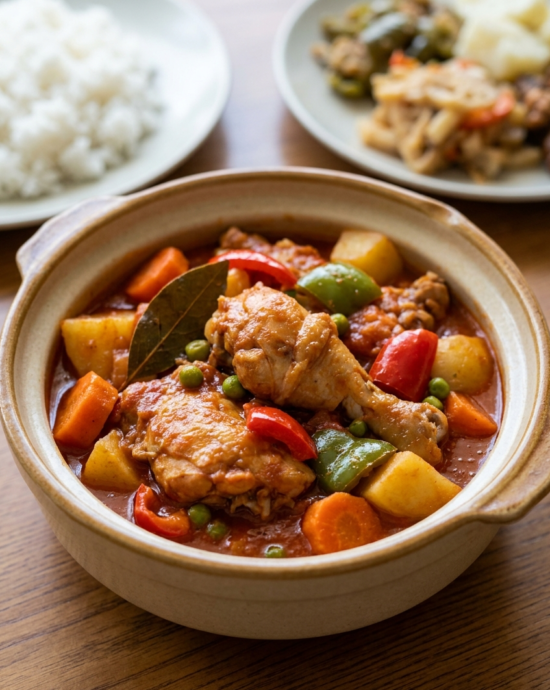
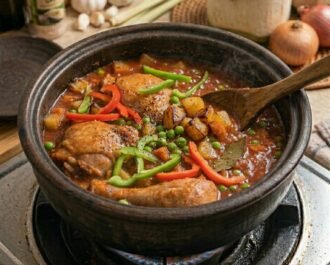
Finally, add the sliced red and green bell peppers to the pot. Stir them in and cook for just two to three minutes until they are slightly softened but still vibrant and crisp. Adding the peppers at the very end ensures they don't lose their bright colors or fresh flavor, which provides a necessary contrast to the rich, savory sauce. Taste the Afritada and adjust the seasoning with salt and pepper if needed. Turn off the heat and let the dish rest for a few minutes before serving. Dish it out into a large bowl and serve hot with plenty of steamed white rice. The colorful presentation and balanced flavors make this a timeless favorite in any household.
- Calories:380 kcal19%
- Protein:26 g52%
- Carbohydrates:15 g5%
- Sugar:6 g12%
- Salt:920 mg40%
- Fat:24 g31%
Table of Contents
What Is Chicken Afritada?
Chicken afritada is a Filipino tomato-based braised chicken stew slow-cooked with potatoes, carrots, bell peppers, and green peas in a savory, vibrant tomato sauce — one of the most beloved and widely cooked everyday dishes across the Philippine archipelago. Its roots trace directly to the Spanish colonial period, when centuries of Spanish rule profoundly shaped Filipino cooking through the introduction of tomatoes, bell peppers, olive oil techniques, and sofrito-style cooking. The name itself is believed to derive from the Spanish word fritada, meaning “fried” — a nod to the traditional technique of browning the meat in fat before braising it in a rich sauce.
What distinguishes afritada from other Filipino tomato stews like mechado or kaldereta is its relative simplicity and accessibility. Where kaldereta features liver paste and a complex spice base, and mechado traditionally incorporates a larded pork technique, afritada is defined by a straightforward, clean tomato flavor and the sweet, mild influence of bell peppers and green peas. It is bright in flavor, vibrant in color, and approachable enough to cook on any ordinary weeknight — which explains why it has become a staple in Filipino homes across every region and economic background.
The dish is closely associated with celebrations in many Filipino families — a pot of afritada simmering on the stove signals birthdays, fiestas, and Sunday family lunches. Its colorful presentation, with jewel-toned bell peppers, green peas, and golden potatoes visible against the vivid red tomato sauce, makes it as visually festive as it is delicious. For both beginners and seasoned Filipino cooks, chicken afritada is one of those irreplaceable, soul-satisfying recipes that defines home cooking at its most joyful and generous.
Ingredient Notes
- Tomato Sauce: Use a good-quality pure tomato sauce without added herbs or seasonings to maintain full control over the flavor profile of the dish. Filipino brands like Del Monte or Hunt’s are widely used and work beautifully — they deliver a clean, concentrated tomato flavor ideal for afritada’s sauce base.
- Potatoes: Waxy potatoes hold their shape better during long braising compared to floury varieties. Choose medium-sized potatoes and quarter them uniformly to ensure even cooking. Avoid overcooking — potatoes that completely dissolve into the sauce rob the dish of important textural contrast.
- Bell Peppers: Both red and green bell peppers are traditional in afritada, added in the final minutes to preserve their crunch and vivid color. Red bell peppers contribute a sweeter, fruitier note while green adds a slightly grassy, vegetal contrast — use both for the most complete flavor profile.
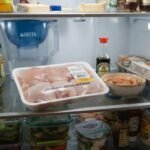
- Chicken (Bone-In): Bone-in, skin-on pieces — particularly thighs and drumsticks — deliver the best flavor and remain juiciest throughout the long braise. The bones contribute natural gelatin to the sauce, giving it a subtle body and richness that boneless cuts cannot replicate.
- Green Peas (Gisantes): Added right at the end of cooking, green peas provide pops of sweetness and bright color. Frozen peas are perfectly acceptable and require zero thawing — they cook through beautifully in just 2 minutes in the hot sauce.
Ingredient Suggestions
- Liver spread — Stir in 1 tablespoon of liver spread (Reno or similar) for a richer, more complex sauce that bridges afritada toward kaldereta territory.
- Olives (green or black) — A Spanish-influenced addition that adds briny, savory depth — wonderful for elevating a standard weeknight afritada.
- Hotdog slices — A beloved Filipino addition, particularly in children’s portions; adds sweetness and a festive feel to the dish.
- Fried tofu cubes — A great meat extender that absorbs the tomato sauce beautifully and adds textural variety.
- Cheese (quick-melt or Eden) — A small handful stirred in at the end creates a creamy, slightly tangy finish that Filipino children and adults alike absolutely love.
Helpful Tips & Pro Tips
- Never skip the browning step. Searing the chicken before braising is what separates a deeply flavored afritada from a flat, one-dimensional stew. The golden-brown fond left in the pan after searing dissolves into the sauce and contributes irreplaceable complexity.
- Add bell peppers last. Bell peppers added too early become dull, mushy, and lose their vibrant color. Add them in the final 3 minutes of cooking to preserve their sweetness, crunch, and visual appeal. Overcooked bell peppers are the single most common mistake in home-cooked afritada.
- Why is my afritada sauce too thin? If the sauce lacks body, remove the lid and increase the heat to medium-high for the final 5 to 8 minutes. The sauce will reduce and concentrate quickly. Alternatively, mash one cooked potato piece and stir it back into the sauce as a natural thickener.
- Season in layers. Add your fish sauce or soy sauce in two stages — once at the braising base step and again as a final adjustment before serving. This layered approach builds a more complex, well-rounded savory flavor than adding all the seasoning at once at the beginning.
- Use homemade or high-quality chicken broth. The broth becomes the liquid base of your sauce, so its quality matters significantly. If using store-bought, choose low-sodium versions so you retain full control over the final salt level of the finished dish.
How to Serve and Store
Serve chicken afritada piping hot, ladled generously over mounds of steaming white rice. Its vivid tomato sauce, colorful vegetables, and tender chicken make it a visually stunning centerpiece for any family meal. Pair with a simple green salad or a bowl of sinigang as a starter for a complete Filipino spread. Afritada also pairs beautifully with pandesal (Filipino bread rolls) for dipping directly into the sauce.
Store leftover afritada in an airtight container in the refrigerator for up to 3 days. The flavors deepen and meld beautifully overnight, and many Filipinos consider day-two afritada even better than freshly made. To reheat, warm gently on the stovetop over low heat, adding a small splash of water or broth to loosen the sauce. Freeze for up to 2 months in sealed containers; thaw overnight in the refrigerator before reheating. Note that potatoes may soften slightly more upon freezing and reheating.
Substitutions
- Tomato sauce → Crushed canned tomatoes — Delivers a chunkier, more rustic sauce with brighter acidity; blend briefly for a smoother finish if desired.
- Chicken → Pork shoulder cubes — A hearty, slower-cooking substitute that produces a richer, more full-bodied sauce; increase braising time by 15 minutes.
- Fish sauce → Soy sauce — A straightforward 1:1 swap with a slightly more assertive saltiness; use less if substituting.
- Green peas → Corn kernels — A budget-friendly, widely available swap that adds natural sweetness and a pop of color.
- Potatoes → Plantain (saba banana), quartered — An interesting Filipino variation that adds a subtly sweet, starchy element in place of potatoes.
- Bell peppers → Zucchini — A low-carb alternative that holds its texture reasonably well during the final cooking stage.
Suggested Recipes
- Chicken Mechado — A close cousin of afritada made with soy sauce and calamansi, giving it a darker, tangier tomato sauce.
- Chicken Kaldereta — A richer, spicier Filipino tomato stew elevated with liver spread, olives, and sometimes chili peppers.
- Pochero — A heartier Filipino tomato braise featuring both pork and chicken with banana, corn, and a wider variety of vegetables.
- Chicken Menudo — A tomato-based Filipino stew featuring chicken liver, potatoes, and raisins for a sweet-savory complexity.
Frequently Asked Questions

Jeff Smith
"Cooking is the intersection of history, science, and emotion."
For me, the kitchen has always been a laboratory of culture. With a background deeply rooted in digital strategy and precision, I approach the culinary arts with the same rigor I apply to the digital landscape—analyzing flavors, perfecting techniques, and documenting the nuance that makes Filipino cuisine truly world-class.
Findme Recipe was born from a desire to bridge the gap between traditional heritage and the modern home cook. Whether it is mastering the perfect balance of acidity in a classic Adobo or simplifying complex regional dishes for everyday kitchens, my mission is to preserve our culinary identity through accessible, data-backed, and delicious content.
I am not just building a database; I am cultivating a community where every Filipino kitchen feels empowered, every ingredient is celebrated, and every family heirloom recipe finds a place to thrive.
Join me as we translate the soul of our islands into recipes for the next generation.