
- Aromatic Searing of the Chicken

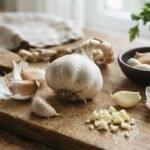
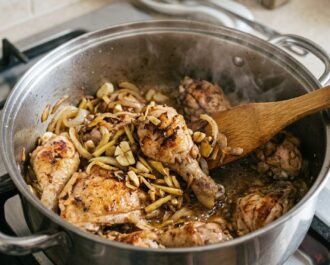
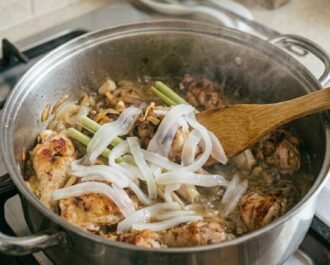
Heat the cooking oil in a large stockpot over medium heat. Sauté the ginger, garlic, and onions until they are soft and highly fragrant. Add the chicken pieces to the pot and season with fish sauce. Sauté the chicken for about seven to ten minutes, allowing the meat to sear and absorb the flavors of the aromatics. This "sangkutsa" process is especially important if you are using native chicken, as it helps to start the tenderization process and lock in the natural juices. The ginger provides a warm, peppery base that is essential for neutralizing any gamey scent. This initial step creates a savory foundation that will beautifully contrast with the natural sweetness of the coconut water added in the next stage.
- The Coconut Water Simmer
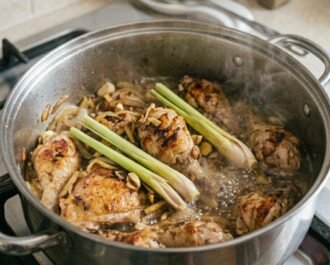
Pour in the fresh coconut water (buko juice) and add the pounded lemongrass stalks. The lemongrass provides a bright, citrusy aroma that is a hallmark of authentic Binakol. Bring the liquid to a steady boil, then lower the heat to a simmer. Cover the pot and allow the chicken to cook for about forty minutes, or until it is tender. If you are using native chicken, it may take a bit longer to reach the desired tenderness. The coconut water acts as a natural sweetening and tenderizing agent, creating a broth that is light, clear, and uniquely refreshing. This slow-simmering process allows the chicken to infuse the buko juice with its savory essence, resulting in a soup that is both healthy and flavorful.
- Incorporating the Coconut Meat
Once the chicken is tender, add the fresh coconut meat strips to the pot. These strips add a wonderful, soft, and slightly chewy texture to the soup, as well as a subtle extra layer of coconut flavor. Simmer for another five to eight minutes to allow the coconut meat to absorb some of the savory-sweet broth. The addition of the meat itself makes the dish visually distinct and reinforces the tropical theme. At this stage, the broth should be incredibly aromatic, with the scent of lemongrass and ginger perfectly balanced by the natural sweetness of the coconut. This stage is what separates Binakol from other chicken soups like Tinola, providing a much more complex and tropical flavor profile.
- The Final Green Flourish
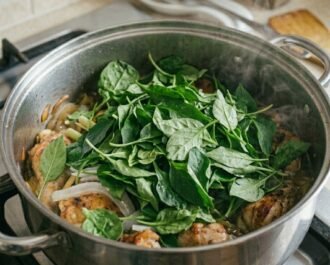
Add the spinach or chili leaves to the pot. These greens should only be cooked for about a minute; turn off the heat immediately and cover the pot to allow the residual heat to wilt the leaves perfectly. This preserves their vibrant green color and high nutritional content. Taste the broth and adjust the seasoning with a bit more fish sauce or salt if necessary. The final flavor should be a delicate balance of savory, sweet, and aromatic. The greens add a fresh, herbal note that completes the dish. This stage ensures that the soup is not only delicious but also packed with vitamins and minerals, making it a very healthy and nourishing meal for the entire family to enjoy together.
- The Traditional Presentation
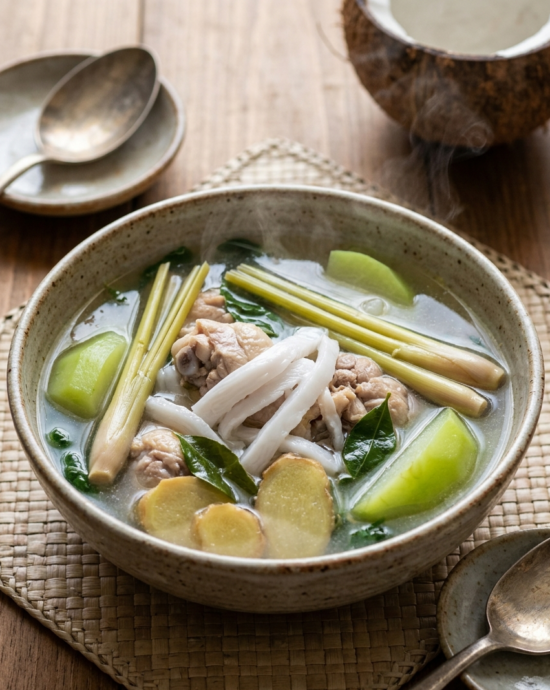
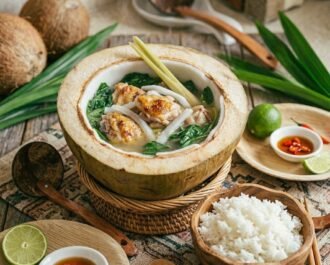
Traditionally, Binakol was cooked inside a bamboo tube or even a whole coconut shell, but a stockpot works perfectly for home cooking. For a professional and authentic look, you can serve the soup in a large wooden bowl or even inside a hollowed-out coconut shell. Make sure each serving has a good mix of chicken, coconut meat, and greens, with plenty of the clear, aromatic broth. Serve hot alongside steamed white rice. The unique combination of savory chicken and sweet coconut water makes for a refreshing and light meal that is perfect for the tropical climate. The elegant and tropical presentation is sure to impress your guests and provide a truly memorable dining experience for everyone.
- Calories:290 kcal15%
- Protein:30 g60%
- Carbohydrates:9 g3%
- Sugar:6 g12%
- Salt:820 mg35%
- Fat:14 g18%
Table of Contents
What Is Chicken Binakol?
Chicken binakol is a Filipino chicken soup from the Visayas region — particularly Aklan and Capiz provinces in Panay Island — slow-simmered in fresh young coconut water with ginger, lemongrass, and tender strips of young coconut meat, creating one of the most delicate, uniquely flavored, and deeply nourishing soups in the entire Filipino culinary canon. The name binakol derives from bakol, a traditional Visayan term for the young coconut (buko) and its characteristic light, slightly sweet water — the irreplaceable ingredient that defines every bowl of this dish and sets it apart from every other Filipino chicken soup.
What makes binakol so extraordinary is its broth. Unlike most Filipino soups, which rely on a savory, umami-forward base of fish sauce and aromatics, binakol’s character is defined by the natural sweetness and subtle mineralness of fresh coconut water. When simmered gently with ginger, lemongrass, and garlic, the coconut water transforms — deepening in flavor, absorbing the warmth of the ginger and the citrusy brightness of the lemongrass, becoming a broth of layered, almost ethereal complexity. It is simultaneously light and nourishing, simple and deeply satisfying.
Binakol is traditionally associated with the rich coconut-growing provinces of the Western Visayas, where abundant buko has made coconut water a staple cooking ingredient for generations of home cooks. The dish is often prepared in bamboo tubes directly over open flames in its most traditional form — a cooking method that adds a faint smokiness to the broth that is impossible to replicate on a modern stovetop.
For anyone who loves the clean, pure flavors of well-made broth, binakol is an unforgettable discovery — a Filipino soup that tastes like no other.
Ingredient Notes
- Young Coconut Water (Tubig ng Buko): Fresh coconut water from young coconuts is the non-negotiable soul of this dish. Use fresh coconut water cracked directly from the buko, not bottled or processed coconut water, which lacks the delicate sweetness and subtle mineral complexity of the fresh liquid. The difference in flavor is dramatic and immediately noticeable.
- Young Coconut Meat (Buko): The soft, jelly-like flesh of the young coconut adds a pleasant, gently chewy texture and subtle sweetness to each spoonful. Look for fresh buko with translucent, milky-white flesh — avoid any with yellowing or hardening, which indicates over-maturity.
- Lemongrass (Tanglad): Always bruise lemongrass firmly before adding it to the pot — this physical damage to the stalk releases the citrusy, floral volatile oils locked inside. Use only the lower, lighter-colored portion of the stalk; the green tops are too fibrous and woody to contribute flavor effectively.
- Ginger: Fresh ginger is essential and generous in binakol — it provides the warm backbone that prevents the coconut water’s natural sweetness from making the broth taste flat or cloying. Slice rather than mince for a gentler, more gradual heat release throughout the long simmer.
- Fish Sauce (Patis): Use patis judiciously in binakol, adding it gradually rather than all at once. The goal is to enhance and season the broth without masking the delicate natural sweetness of the coconut water. Season lightly and taste frequently throughout cooking.
Ingredient Suggestions
- Lemon basil (sangig) — A traditional Visayan herb addition; added at the end for a sweet, anise-like fragrance that complements coconut water beautifully.
- Green papaya — Wedges of unripe papaya add a mild, slightly bitter vegetal contrast to the sweet broth and cook to a pleasantly firm, yielding texture.
- Shrimp — Added in the final 3 minutes, whole shell-on shrimp enrich the broth with a sweet, oceanic flavor that pairs remarkably well with coconut water.
- Malunggay (moringa) leaves — Rich in nutrients and with a clean, slightly grassy flavor; stirred in at the very end for both nutritional value and vibrant color.
- Whole peppercorns — Added with the aromatics rather than ground pepper, whole peppercorns infuse a gentler, more fragrant heat into the delicate coconut broth.
Helpful Tips & Pro Tips
- Never use bottled or canned coconut water. Processed coconut water has been heat-treated, stripped of its delicate aromatics, and often sweetened — none of which benefits this dish. The investment in fresh buko is the single most important quality decision you can make when cooking binakol.
- Simmer gently, never boil hard. Coconut water becomes slightly bitter and loses its delicate sweetness when exposed to aggressive, rolling heat for extended periods. Keep the simmer gentle — lazy bubbles at the surface rather than a vigorous rolling boil — for a broth of maximum sweetness and clarity.
- Skim the broth diligently. Clear, clean binakol broth is a point of pride for Visayan cooks. Skim off any foam during the first 10 minutes of simmering to produce a cleaner, purer, more beautiful finished broth.
- Add coconut meat at the very end. Young coconut meat (buko) becomes unpleasantly rubbery and loses its delicate flavor if cooked too long. Add it in the final 3 minutes — just enough time to warm through while preserving its soft, slightly gelatinous texture.
- Don’t underestimate white pepper. Black pepper is too assertive for binakol’s delicate broth. White pepper — with its earthier, milder heat — is the correct seasoning choice, adding warmth without disrupting the coconut water’s natural, elegant sweetness.
How to Serve and Store
Serve chicken binakol immediately while piping hot, ladled generously into wide, deep bowls with the chicken, coconut meat, and aromatic broth divided equally. Top each bowl with fresh spring onions and a crack of white pepper. Binakol pairs naturally with steaming white rice, which is added directly to the bowl by many Filipino diners, allowing the grains to absorb the beautiful coconut-ginger broth.
Store leftover binakol in an airtight container in the refrigerator for up to 2 days. The broth continues to develop in flavor overnight and is arguably even better the next day. Reheat gently on the stovetop over low heat to preserve the coconut water’s delicate sweetness — avoid microwaving, which can cause the broth to taste flat. Do not freeze binakol; the coconut water broth separates upon freezing and does not return to its original clarity or flavor upon reheating. For best results, make fresh and consume within two days.
Substitutions
- Fresh coconut water → Diluted young coconut juice (50/50 with water) — If fresh buko is unavailable, lightly diluted pure bottled coconut water is the best available compromise, though the flavor will be noticeably less complex.
- Lemongrass → Kaffir lime leaves (2–3 leaves) — Provides a similarly citrusy, floral aromatic top note to the broth; use as a direct substitute if tanglad is unavailable.
- Chicken → Pork ribs — Cut into short segments, pork ribs produce a richer, more full-bodied binakol broth; traditional in some Visayan households.
- Fish sauce → Sea salt — For a cleaner, more neutral seasoning that allows the coconut water’s natural sweetness to shine even more prominently.
- Malunggay → Spinach or watercress — Both work as widely available substitutes; watercress in particular adds a pleasant peppery note.
- Young coconut meat → Heart of palm — Produces a similar tender, slightly chewy textural element with a mild, clean flavor when fresh buko is unavailable.
Suggested Recipes
- Chicken Tinola — The most natural companion to binakol — another ginger-forward clear chicken soup, this one with green papaya and moringa, sharing binakol’s clean, nourishing character.
- Ginataang Manok — Chicken braised in rich coconut milk; explores the same coconut-chicken affinity as binakol but from a richer, creamier direction.
- Chicken Arroz Caldo — A ginger-forward rice porridge that shares binakol’s deeply comforting, warming qualities in a heartier format.
- Seafood Binakol — Replace the chicken with a combination of prawns, squid, and fish; the coconut water and lemongrass broth is equally stunning with seafood.
Frequently Asked Questions

Jeff Smith
"Cooking is the intersection of history, science, and emotion."
For me, the kitchen has always been a laboratory of culture. With a background deeply rooted in digital strategy and precision, I approach the culinary arts with the same rigor I apply to the digital landscape—analyzing flavors, perfecting techniques, and documenting the nuance that makes Filipino cuisine truly world-class.
Findme Recipe was born from a desire to bridge the gap between traditional heritage and the modern home cook. Whether it is mastering the perfect balance of acidity in a classic Adobo or simplifying complex regional dishes for everyday kitchens, my mission is to preserve our culinary identity through accessible, data-backed, and delicious content.
I am not just building a database; I am cultivating a community where every Filipino kitchen feels empowered, every ingredient is celebrated, and every family heirloom recipe finds a place to thrive.
Join me as we translate the soul of our islands into recipes for the next generation.