
- Step 1: Make the Pastry Dough
Combine the all-purpose flour, salt, and sugar in a large mixing bowl and whisk together briefly to distribute evenly. Add the cold, cubed butter and use your fingertips or a pastry cutter to work it into the flour until the mixture resembles coarse, uneven breadcrumbs with some pea-sized butter pieces still visible — these irregular fat pockets are what create the pastry's flakiness during baking. Add the ice-cold water one tablespoon at a time, mixing gently with a fork after each addition, until the dough just comes together without being sticky. Handle the dough as little as possible to prevent gluten development, which would make the crust tough rather than tender and flaky. Shape into a flat disc, wrap tightly in plastic wrap, and refrigerate for at least 30 minutes while you prepare the filling.
- Step 2: Cook the Filling Base
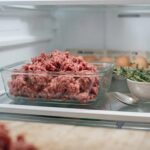
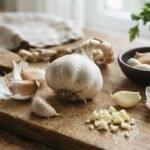
In a large, wide pan, cook the chopped bacon over medium heat until the fat renders and the pieces turn golden and lightly crispy. Remove the bacon with a slotted spoon and set aside, leaving the rendered fat in the pan. Add butter to the pan and melt it into the bacon fat over medium heat. Add the onions and cook for 3 minutes until softened and translucent, then add the garlic and stir for 1 minute more until fragrant and golden. Add the chorizo slices and cook for 2 minutes, stirring occasionally, until they release their deep red, paprika-infused oil into the pan, staining the entire aromatic base a beautiful, rich amber color that will flavor and color the entire creamy filling.
- Step 3: Build the Creamy Sauce
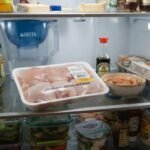
Add the chicken cubes to the pan and toss everything together over medium-high heat. Cook for 3 to 4 minutes, stirring occasionally, until the chicken turns opaque on the outside and is lightly browned on the edges. Sprinkle the flour directly over the chicken and aromatics and stir vigorously for 1 to 2 minutes, cooking the raw flour taste out completely — this is the roux that will thicken the sauce. Pour in the chicken broth gradually while stirring continuously to prevent lumps, then add the milk or cream, soy sauce, and oyster sauce. Stir everything together and bring to a gentle simmer, cooking for 3 to 4 minutes until the sauce thickens to a luscious, creamy, coating consistency. Season with salt and white pepper.
- Step 4: Add the Vegetables and Cool
Add the diced potatoes, carrots, and quartered mushrooms to the creamy filling, stirring to distribute everything evenly. Continue cooking over medium heat for 8 to 10 minutes, stirring occasionally, until the potatoes and carrots are just tender but still slightly firm — they will continue cooking in the oven, so undercooking them slightly at this stage prevents them from becoming mushy in the finished pie. Add the green peas and reserved cooked bacon, stirring gently to incorporate them. Taste the filling one final time and adjust the seasoning with salt, white pepper, and additional soy sauce if needed. Remove from the heat and allow the filling to cool to room temperature completely before assembling the pie — a hot filling will melt the pastry and cause the crust to become soggy.
- Step 5: Assemble and Bake
Preheat your oven to 180°C (350°F). Remove the chilled pastry dough from the refrigerator and divide it into two portions — one slightly larger for the bottom crust and one for the lid. Roll the larger portion on a lightly floured surface into a circle or rectangle large enough to line your baking dish with a generous overhang. Carefully transfer the rolled dough into a greased baking dish, pressing it gently into the corners and sides without stretching it. Fill the lined dish generously with the cooled chicken filling, mounding it slightly in the center. Roll out the remaining dough for the lid, drape it over the filling, and crimp the edges together firmly to seal. Brush the top crust generously with beaten egg yolk for a beautiful, deep golden shine.
- Step 6: Bake Until Golden
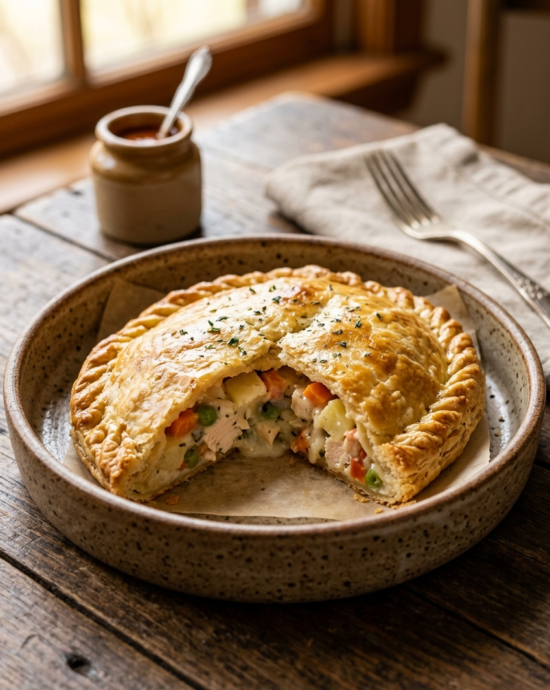
Using a sharp knife or fork, create several small slits or decorative holes in the top pastry crust to allow steam to escape during baking — without these vents, steam buildup can cause the crust to puff unevenly or split in uncontrolled places. Place the assembled pie in the preheated oven and bake for 30 to 35 minutes, until the crust is uniformly deep golden brown and the filling is visibly bubbling up through the steam vents. If the edges of the crust begin browning too quickly before the center is done, cover them loosely with strips of aluminum foil. Remove from the oven and allow the pastel to rest for 10 minutes before cutting — resting allows the filling to set slightly so it holds its shape when sliced rather than spilling out immediately.
Table of Contents
What Is Chicken Pastel?
Chicken pastel is a Filipino baked savory pie filled with creamy chicken, chorizo de Bilbao, mushrooms, and vegetables encased in a buttery, flaky pastry crust — a deeply festive, labor-of-love dish that occupies a special place among the most celebrated recipes in Filipino culinary heritage. The dish traces its origins directly to Spanish colonial rule, when centuries of Spanish influence introduced pie-making traditions, chorizo, and European cooking techniques to the Philippine archipelago. Over generations, Filipino cooks adapted and enriched these imported ideas, adding local ingredients and flavors to create something uniquely and unmistakably Filipino.
Chicken pastel is most closely associated with the island province of Zamboanga del Norte in Mindanao, where a particularly famous regional version — Cagayan de Oro’s pastel — features a slightly sweet, enriched dough rather than a standard savory pastry. This regional variation has become so iconic that pastel de Cagayan is now a beloved pasalubong (homecoming gift) item, sold in bakeries across the region and brought back to Manila by travelers as an edible souvenir. The creamy, chorizo-enriched filling inside a golden, buttery crust is one of the most deeply satisfying flavor combinations in all of Filipino cooking.
What makes chicken pastel so special as a celebratory dish is the sheer abundance it represents. The filling is deliberately rich and generous — loaded with multiple proteins, colorful vegetables, and a luxurious cream sauce that speaks to the Filipino spirit of hospitality and celebration. It is the dish that appears at Christmas tables, birthday gatherings, and town fiestas across the Philippines, each family guarding their own version as a cherished heirloom recipe. For both experienced Filipino cooks and curious newcomers, chicken pastel rewards every minute of effort with extraordinary results.
Ingredient Notes
- Chorizo de Bilbao: The authentic Spanish-style sausage that gives chicken pastel much of its depth and characteristic color. Its smoky, garlicky, paprika-infused fat bleeds beautifully into the cream sauce, staining it amber and enriching every bite. Look for firm, dark red chorizo — Marca El Rey is the most widely used and trusted brand in Filipino cooking.
- Chicken (Deboned Thighs): Boneless thigh meat is ideal for pastel — it stays juicier and more tender than breast meat during the long filling preparation and oven baking. Cut uniformly so pieces cook evenly; bite-sized 2 cm cubes are the standard.
- Button Mushrooms: Fresh button mushrooms provide an earthy, meaty depth to the filling and absorb the creamy sauce beautifully. Look for firm, white caps with closed gills — avoid any that are slimy or have open, darkened gills, which indicate age and loss of flavor.
- Butter: Use cold, unsalted butter for the pastry and room-temperature butter for the filling. Quality butter makes a significant difference in the flavor and flakiness of the pastry — avoid margarine or vegetable-based spreads, which produce inferior results.
- All-Purpose Cream or Fresh Milk: All-purpose cream produces a richer, more luxurious filling, while fresh milk creates a slightly lighter result. For the most authentic, indulgent pastel, use all-purpose cream or a combination of broth and cream.
Ingredient Suggestions
- Hard-boiled eggs — Halved or quartered eggs nestled into the filling add richness, visual interest, and a classic touch found in many traditional Filipino pastel recipes.
- Vienna sausages or hotdog slices — A budget-friendly addition beloved in home-style Filipino pastel that adds a familiar, nostalgic sweetness to the filling.
- Roasted red bell peppers — Introduce a sweet, smoky complexity and a vibrant pop of color against the creamy white filling.
- Cheddar cheese — A generous handful stirred into the still-warm filling melts into a subtle, creamy tanginess that children and adults alike absolutely love.
- Shrimp — Peeled and deveined shrimp added in the final 3 minutes of filling preparation add a luxurious oceanic sweetness that elevates the dish for special occasions.
Helpful Tips & Pro Tips
- Keep the butter ice-cold at all times for the pastry. Warm butter melts into the flour before baking rather than creating steam pockets that produce flakiness. Work quickly, use cold hands, and refrigerate the dough for at least 30 minutes before rolling — this is non-negotiable for a properly flaky crust.
- Cool the filling completely before assembling. This is the single most common pastel mistake. A hot or even warm filling creates steam inside the unbaked pastry, making the bottom crust soggy before it even reaches the oven. Always cool the filling to room temperature, or refrigerate it briefly.
- Why is my pastel crust not golden? A pale crust after baking is almost always caused by insufficient egg wash. Apply the egg yolk wash generously and evenly with a pastry brush, covering the entire surface including the crimped edges. For an even deeper shine, brush with a second coat just before the pie goes into the oven.
- Vent the crust generously. Steam from the filling must have somewhere to escape. Make at least 5 to 6 slits in the top crust before baking — a sealed crust traps steam, causing bubbling, splitting, and uneven browning.
- Let the baked pie rest before cutting. The filling needs at least 10 minutes of resting time after leaving the oven to set up properly. Cutting too soon results in a filling that pours out rather than holds its shape, ruining the presentation.
How to Serve and Store
Serve chicken pastel slightly warm, cut into generous wedges or squares at the table as a stunning centerpiece for any celebratory meal. It pairs beautifully with a simple green salad dressed with calamansi and olive oil to cut through the richness of the creamy filling. For a full Filipino feast, serve alongside steamed white rice and a bowl of clear soup as a starter.
Store leftover chicken pastel loosely covered in the refrigerator for up to 3 days. To reheat and restore the crust’s crispness, place individual slices in a preheated 160°C oven for 10 to 12 minutes rather than microwaving, which softens the pastry. The filling can be frozen separately for up to 2 months — thaw overnight in the refrigerator before reheating and assembling with fresh pastry.
Substitutions
- Chorizo de Bilbao → Andouille or smoked sausage — A widely available substitute with a similar smoky, savory profile; add a pinch of paprika to compensate for the color.
- All-purpose cream → Evaporated milk — A lighter, budget-friendly substitute that still produces a creamy filling; use the same quantity.
- Butter (pastry) → Cold vegetable shortening — Produces a slightly less flavorful but still flaky crust; suitable for dairy-free diets.
- All-purpose flour (pastry) → Gluten-free flour blend — A 1:1 substitute for a gluten-free crust; add 1 tsp xanthan gum if the blend doesn’t already contain it.
- Chicken → Canned tuna or shredded jackfruit — A budget-friendly or vegan alternative that still absorbs the creamy, chorizo-flavored sauce well.
- Button mushrooms → King oyster or shiitake mushrooms — A more intensely flavored substitute with a meatier texture that adds depth to the filling.
Suggested Recipes
- Chicken Afritada — Shares the same Spanish colonial heritage and tomato-vegetable combination, but presented as a stovetop braise rather than a baked pie.
- Chicken Caldereta — Another rich, festive Filipino chicken dish loaded with vegetables and sauce; a natural companion to pastel on a celebration menu.
- Arroz a la Cubana — A similarly hearty, Spanish-influenced Filipino dish of seasoned ground meat with fried eggs and plantains, perfect for the same festive occasion.
- Embutido — The Filipino pork meatloaf that, like pastel, represents the Spanish-influenced tradition of elaborate, celebratory Filipino meat dishes.
Frequently Asked Questions

Jeff Smith
"Cooking is the intersection of history, science, and emotion."
For me, the kitchen has always been a laboratory of culture. With a background deeply rooted in digital strategy and precision, I approach the culinary arts with the same rigor I apply to the digital landscape—analyzing flavors, perfecting techniques, and documenting the nuance that makes Filipino cuisine truly world-class.
Findme Recipe was born from a desire to bridge the gap between traditional heritage and the modern home cook. Whether it is mastering the perfect balance of acidity in a classic Adobo or simplifying complex regional dishes for everyday kitchens, my mission is to preserve our culinary identity through accessible, data-backed, and delicious content.
I am not just building a database; I am cultivating a community where every Filipino kitchen feels empowered, every ingredient is celebrated, and every family heirloom recipe finds a place to thrive.
Join me as we translate the soul of our islands into recipes for the next generation.