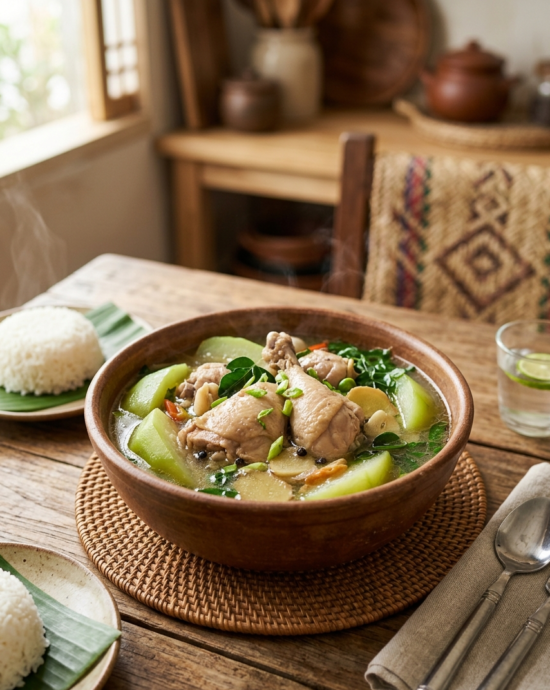

- Step 1: Sauté the Aromatics
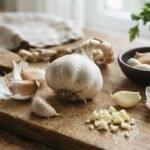
Heat the cooking oil in a large pot over medium heat. Add the julienned ginger first, stirring for 1 to 2 minutes until its sharp, clean fragrance blooms in the oil — this is the foundational aroma that defines tinola above all other Filipino soups. Add the sliced onions next and cook, stirring occasionally, for 3 minutes until softened and lightly translucent. Add the crushed garlic and stir for 1 more minute until golden and deeply fragrant. This aromatic base — ginger, onion, garlic cooked together in oil — is called ginisa in Filipino cooking and forms the warm, savory flavor bedrock upon which the entire broth is built. Do not rush this step; properly cooked ginisa produces a noticeably richer, more deeply developed soup than aromatics added directly to cold water or broth.
- Step 2: Brown the Chicken
Increase the heat to medium-high and add the chicken pieces directly into the ginisa aromatic base. Season the chicken generously with fish sauce, tossing every piece to coat it thoroughly in the aromatics and seasoning. Cook the chicken for 3 to 4 minutes, turning occasionally, until each piece develops a light, golden exterior. This gentle browning is important — it seals some of the natural juices inside the meat and allows the fish sauce to caramelize slightly against the chicken surface, creating a deeper, more layered flavor that infuses the broth throughout the long, slow simmer. You should notice the kitchen filling with the deeply appetizing aroma of caramelized patis, ginger, and garlic mingling together beautifully at this stage.
- Step 3: Add Broth and Simmer
Pour in the chicken broth or water in a slow, steady stream, stirring gently to incorporate all the aromatics and caramelized bits from the bottom of the pot. If using lemongrass, add the bruised stalk at this point for a subtle citrusy, floral note in the broth. Increase the heat to high and bring the liquid to a full boil, then immediately reduce to a gentle simmer over medium-low heat. Skim off any foam or gray impurities that rise to the surface during the first 5 minutes — this skimming step produces a noticeably clearer, cleaner-tasting broth. Season the broth with a pinch of salt and white pepper. Allow the chicken to simmer gently for 20 to 25 minutes, partially covered, until the meat is tender and pulls easily from the bone.
- Step 4: Add the Green Papaya
Once the chicken is fully tender, add the peeled and wedged green papaya pieces to the simmering broth. Green papaya is tinola's most iconic vegetable — its mild, slightly bitter flavor absorbs the ginger-infused broth beautifully while providing a firm, satisfying bite. Stir gently to submerge the papaya pieces in the liquid and continue simmering uncovered over medium heat for 8 to 10 minutes, or until the papaya is just tender when pierced with the tip of a knife but still holds its shape with gentle resistance. Avoid overcooking the papaya — it should be tender-firm rather than mushy, with a pleasant textural contrast to the fall-off-the-bone tender chicken. Check the broth seasoning at this stage and adjust with additional fish sauce or salt as needed.
- Step 5: Add the Greens and Finish
Add the malunggay leaves or spinach to the pot in the final minute of cooking, stirring gently until the leaves are just wilted and brilliantly green. Malunggay is the traditional and nutritionally superior choice — its slightly earthy, clean flavor pairs beautifully with the ginger broth, and its impressive concentration of vitamins and minerals makes it one of the most nourishing garnishes in all of Filipino cooking. If using spinach as a substitute, it wilts even faster and should be added with the heat already turned off to prevent overcooking. Remove and discard the lemongrass stalk if used. Taste the broth one final time and adjust the seasoning with fish sauce, salt, and white pepper before ladling generously into deep bowls alongside steaming white rice.
Table of Contents
What Is Chicken Tinola?
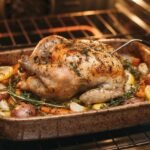
Chicken tinola is a Filipino ginger-based chicken soup slow-simmered with green papaya and malunggay leaves in a clear, savory broth — one of the oldest, most culturally significant, and most universally beloved dishes in the entire Philippine culinary tradition. Its roots stretch back to pre-colonial Filipino cooking, making it one of the few dishes that predates Spanish influence, existing in some form long before the arrival of European colonizers in the 16th century. In fact, tinola holds a rare literary distinction: it is the only Filipino dish mentioned by name in the country’s national novel, Jose Rizal’s Noli Me Tangere, where it appears as a symbol of social inequality and colonial power dynamics — a testament to how deeply embedded this simple soup is in the Filipino cultural consciousness.
What makes tinola extraordinary is its elegant simplicity. The flavor profile is clean, warming, and deeply restorative — ginger provides the dominant aromatic warmth, garlic and onion build the savory foundation, green papaya contributes a mild, slightly vegetal sweetness, and fish sauce seasons the broth with a deep, rounded saltiness. The malunggay leaves, stirred in at the very last moment, add a clean, slightly earthy finish and a brilliant pop of green color that makes every bowl visually beautiful.
Tinola is the dish Filipino families reach for in times of illness, cold weather, and emotional need. It is the soup that appears at family tables across every region, every economic background, and every generation in the Philippines. Its preparation requires no specialized technique, no rare ingredients, and no elaborate equipment — just patience, quality chicken, fresh ginger, and care. For home cooks of any skill level exploring Filipino cuisine, chicken tinola is the essential starting point for understanding what Filipino cooking truly values: nourishment, warmth, and the healing power of a well-made bowl of soup.
Ingredient Notes
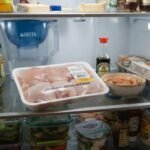
- Chicken (Bone-In, Skin-On): Bone-in pieces are strongly preferred for tinola because the bones release natural collagen and gelatin during simmering, enriching the broth with a subtle body and depth that boneless cuts simply cannot replicate. Thighs and drumsticks are the ideal cuts — they remain juicier and more flavorful than breast meat throughout the long simmer.
- Green Papaya: Unripe, firm green papaya is the traditional vegetable for tinola — its mild flavor and firm texture absorb the ginger-infused broth without disintegrating. Look for papaya that is completely green with no yellow patches; any yellowing indicates ripening, which will make the flesh too sweet and too soft for this dish.
- Ginger: Use fresh ginger generously — tinola’s entire identity rests on the warming, spicy backbone that ginger provides. Julienned ginger releases its aromatic oils more gradually during cooking than minced, producing a warmer, more rounded heat in the finished broth. Look for firm ginger with smooth, taut skin.
- Fish Sauce (Patis): Quality Filipino patis — such as Rufina or Tiparos — is the correct seasoning for tinola. It adds a deep, umami-rich saltiness that table salt simply cannot approximate. Add fish sauce in stages and taste as you go; different brands vary significantly in saltiness and depth.
- Malunggay (Moringa) Leaves: Fresh malunggay is the nutritional crown of this dish — a single cup contains extraordinary levels of vitamins A, C, and calcium. Look for fresh, bright green bundles; avoid yellowing or wilting leaves, which have lost much of their nutritional value and flavor.
Ingredient Suggestions
- Chayote (sayote) — A popular papaya substitute with a milder, slightly sweeter flavor and a firmer texture that holds up exceptionally well during the simmer.
- Lemongrass (tanglad) — A bruised stalk added with the broth introduces a subtle citrusy, floral brightness to the soup that is particularly lovely in summer.
- Corn on the cob (cut into rounds) — Adds natural sweetness to the broth and makes the dish more filling and visually abundant.
- Siling labuyo (bird’s eye chili) — One or two whole chilies added during simmering introduce a building, fragrant heat without making the soup aggressively spicy.
- Coconut milk — A half cup stirred in at the end creates a richer, creamier version of tinola that bridges it toward ginataang manok territory.
Helpful Tips & Pro Tips
- Skim the broth in the first 5 minutes. The foam that rises during the initial boil contains proteins and impurities from the chicken that, if left in, cloud and slightly bitter the broth. A clean, skimmed broth produces a noticeably more beautiful and better-tasting tinola.
- Add malunggay last and briefly. Malunggay leaves need only 30 to 60 seconds of contact with hot liquid to wilt and release their flavor. Overcooking turns them dull, army green, and slightly bitter — always add them with the heat off or in the final 60 seconds of cooking only.
- Why does my tinola broth taste bland? Tinola broth tastes bland when the ginger is insufficient and the fish sauce is added too timidly. Be generous with both — use at least a thumb-sized piece of ginger (larger if you love its warmth) and season the broth assertively with patis, tasting frequently throughout cooking.
- Don’t rush the ginisa. The aromatic base of ginger, onion, and garlic cooked in oil before any liquid is added is what separates an extraordinary tinola from a mediocre one. Give the aromatics at least 5 minutes in the oil before adding the chicken to ensure proper flavor development.
- Use chayote if papaya is overripe. A papaya with any yellow coloring will become mushy and overly sweet in tinola. Chayote is the ideal substitute — it has a neutral flavor, holds its shape perfectly, and is available year-round in most Filipino markets.
How to Serve and Store
Serve chicken tinola piping hot in deep bowls, ensuring each serving has a generous portion of chicken, papaya, malunggay leaves, and plenty of clear, golden broth. Traditionally served alongside freshly steamed white rice — the rice is often added directly into the bowl by Filipino diners, soaking up the beautiful ginger broth. Offer extra fish sauce on the side for personal seasoning adjustment.
Store leftover tinola in an airtight container in the refrigerator for up to 3 days — the broth actually deepens in flavor overnight. When reheating, warm gently on the stovetop over low heat rather than microwaving to preserve the broth’s clarity and the texture of the vegetables. For longer storage, freeze the broth and chicken separately from the vegetables for up to 2 months; cook fresh papaya and malunggay when reheating.
Substitutions
- Green papaya → Chayote (sayote) — A widely available, similarly mild and firm vegetable that holds its texture beautifully in the simmering broth.
- Malunggay → Spinach or baby bok choy — Both wilt quickly and provide a clean, green flavor; use half the quantity as these are more delicate than moringa.
- Fish sauce → Soy sauce — A straightforward gluten-free swap that provides saltiness and umami, though with a slightly different flavor character.
- Chicken → Firm tofu and vegetable broth — A vegan adaptation that maintains the ginger-forward broth profile; add tofu in the final 5 minutes to prevent crumbling.
- Fresh ginger → 1 tsp ground ginger — A budget-friendly pantry substitute; use sparingly as ground ginger is more concentrated than fresh.
- Chicken broth → Water — A simple, neutral base that works perfectly well; the chicken itself provides enough flavor to build a delicious broth from scratch.
Suggested Recipes
- Chicken Arroz Caldo — Shares tinola’s warming ginger-forward soul in a thicker, heartier rice porridge format ideal for cold mornings or illness recovery.
- Chicken Binakol — A Visayan cousin of tinola where coconut water replaces the broth, giving the soup a subtly sweet, floral complexity.
- Sinigang na Manok — Another iconic Filipino chicken soup, this one built around the sharp, sour tang of tamarind rather than ginger’s warmth.
- Ginataang Manok — Transitions from tinola’s clear broth to a rich coconut milk base, exploring the same chicken-ginger affinity in a completely different direction.
Frequently Asked Questions

Jeff Smith
"Cooking is the intersection of history, science, and emotion."
For me, the kitchen has always been a laboratory of culture. With a background deeply rooted in digital strategy and precision, I approach the culinary arts with the same rigor I apply to the digital landscape—analyzing flavors, perfecting techniques, and documenting the nuance that makes Filipino cuisine truly world-class.
Findme Recipe was born from a desire to bridge the gap between traditional heritage and the modern home cook. Whether it is mastering the perfect balance of acidity in a classic Adobo or simplifying complex regional dishes for everyday kitchens, my mission is to preserve our culinary identity through accessible, data-backed, and delicious content.
I am not just building a database; I am cultivating a community where every Filipino kitchen feels empowered, every ingredient is celebrated, and every family heirloom recipe finds a place to thrive.
Join me as we translate the soul of our islands into recipes for the next generation.