
- Step 1: Prepare and Butterfly the Bangus
Start by selecting two large, fresh bangus from your local wet market or seafood section. Ask your fishmonger to butterfly the fish — this means splitting it open along the belly, removing the spine and most bones, and flattening it out into a single open fillet. Once home, rinse the butterflied bangus thoroughly under cold running water, paying close attention to the belly cavity and any remaining viscera. Pat both sides completely dry with paper towels. Drying the fish at this stage is essential because excess moisture dilutes the marinade and can prevent the vinegar from penetrating properly into the flesh. Set the fish on a clean tray or plate, skin-side down, as you prepare the marinade. Inspect closely for any remaining pin bones and remove them with tweezers if found.
- Step 2: Make the Garlic-Vinegar Marinade
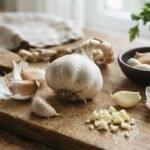
Peel and mince the entire head of garlic as finely as possible. The generous amount of garlic is what defines daing na bangus — it creates that deeply savory, aromatic crust when fried. In a wide, shallow non-reactive bowl or baking dish, combine the minced garlic, white cane vinegar, salt, and ground black pepper. Stir the mixture well until the salt is fully dissolved and evenly incorporated into the vinegar. Taste the marinade — it should be tangy and boldly seasoned, as the fish will absorb the flavors over several hours. Adjust salt and pepper as needed. The acidity of the vinegar is not just for flavor; it partially cures the fish, tenderizing the flesh and helping to preserve it. White cane vinegar is the traditional choice for its mild, clean tang.
- Step 3: Marinate the Fish
Lay the butterflied bangus flesh-side down into the garlic-vinegar marinade. Press the fish gently into the mixture so every part of the cut surface is coated. Spoon additional marinade over the skin side as well. Cover the dish tightly with plastic wrap or transfer the fish and marinade into a zip-lock bag, pressing out excess air before sealing. Place the fish in the refrigerator and allow it to marinate for a minimum of four hours. For the most authentic, deeply flavored daing, marinate overnight — ideally eight to twelve hours. The longer marinating time allows the vinegar to penetrate the thicker flesh near the spine and ensures the garlic flavors are absorbed throughout. Do not marinate at room temperature, as this poses a food safety risk.
- Step 4: Drain and Dry Before Frying
When you are ready to cook, remove the bangus from the refrigerator. Carefully lift the fish out of the marinade and place it on a wire rack set over a tray or on a plate lined with paper towels. Allow the fish to drain for at least ten to fifteen minutes, letting excess marinade drip off. This step is critical: a wet surface will cause violent splattering when the fish hits hot oil, and it also prevents the formation of a proper golden-brown crust. After draining, gently pat both sides of the fish dry with paper towels, paying special attention to any garlic clinging to the flesh. Do not rinse the fish — you want the garlic to stay on so it crisps up beautifully during frying. Season lightly with an extra pinch of salt if desired.
- Step 5: Fry the Bangus to Golden Perfection
Pour cooking oil into a large, heavy-bottomed frying pan or wok to a depth of about half an inch. Heat the oil over medium-high heat until shimmering but not smoking — approximately 175°C to 180°C. Add a few crushed garlic cloves directly into the hot oil before adding the fish; they will perfume the oil and add flavor. Carefully lay the bangus into the pan skin-side up first, which helps firm the flesh before flipping. Fry undisturbed for five to seven minutes until the bottom is deeply golden and crispy. Resist the urge to move the fish; letting it develop a proper crust prevents sticking. Gently flip the fish using a wide spatula and fry the skin side for another five minutes until equally crisp and browned. Remove and drain on paper towels.
- Step 6: Plate and Serve
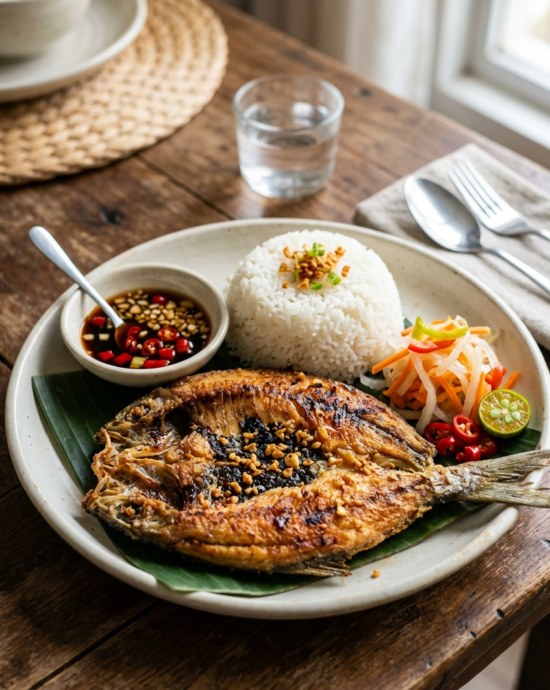
Transfer the fried daing na bangus onto a serving platter lined with fresh banana leaves or parchment for a traditional presentation. The fish should be golden-brown with a visibly crispy, garlic-studded crust and flaky, tender white flesh inside. Serve immediately while hot and crispy alongside generous portions of steamed white rice. The classic condiment pairing is a small bowl of spiced vinegar or a mixture of soy sauce and calamansi juice — the acidity cuts through the richness of the fried fish beautifully. Sliced fresh tomatoes, fried egg, and atchara (pickled green papaya) are popular accompaniments that balance the dish and make it a complete Filipino breakfast or any-time meal.
- Calories:290 kcal15%
- Protein:28 g56%
- Carbohydrates:2 g1%
- Sugar:g
- Fat:19 g24%
Table of Contents
What Is Daing na Bangus?
Daing na Bangus is a traditional Filipino dish consisting of butterflied milkfish marinated in a mixture of vinegar, garlic, salt, and black pepper, then pan-fried until golden and crispy. It is one of the most beloved staples in Filipino breakfast culture, often served alongside steamed white rice, fried eggs, and sliced tomatoes in a combination affectionately called “bangsilog.” The dish traces its roots to the ancient Filipino practice of daing — a preservation technique that uses vinegar and salt to partially cure fish, extending its shelf life in a tropical climate without refrigeration. Bangus, or milkfish (Chanos chanos), is the national fish of the Philippines and has been farmed extensively in freshwater fishponds across Pampanga, Bulacan, and Pangasinan for centuries. The combination of bangus and vinegar is deeply embedded in the Kapampangan culinary tradition, where vinegar-based preservation and cooking remain central to the regional food identity. The flavor profile of daing na bangus is bold and complex: tangy from the vinegar, deeply savory from the absorbed garlic and salt, with a satisfying contrast between the crunchy outer skin and the moist, flaky interior flesh. Because bangus naturally carries a rich, slightly oily quality, it pairs exceptionally well with acidic components, which brighten the overall taste. Modern versions often add chili flakes or bay leaves to the marinade for additional depth. Commercially prepared daing na bangus is widely available in Filipino supermarkets, but the homemade version — marinated overnight and freshly fried — remains incomparably superior in flavor, texture, and aroma, making it a cherished recipe passed down through generations.
Ingredient Notes
- Bangus (Milkfish): The star of the dish. Choose fresh bangus with clear eyes, bright red gills, and firm flesh that springs back when pressed. For daing, the medium-to-large size (500g to 800g per fish) gives the best flesh-to-bone ratio after butterflying.
- White Cane Vinegar: The traditional choice for daing marinades. It delivers a clean, mild acidity that cures without overpowering the fish. Look for Philippine-brand cane vinegar like Datu Puti or Marca Pina for authentic flavor.
- Garlic: Use a full head — generosity is key. Freshly minced garlic is far superior to pre-minced bottled versions; it releases more allicin for a more aromatic, intensely flavored crust when fried.
- Salt: Use fine sea salt or coarse iodized salt. The salt draws moisture from the fish and amplifies the vinegar curing effect. Adjust quantity based on how long you plan to marinate — longer marinating requires slightly less salt.
- Black Pepper: Freshly cracked black pepper adds a mild heat and earthy dimension that complements the vinegar. Use coarsely ground for texture contrast in the finished crust.
Ingredient Suggestions
- Bay leaves (laurel): Adding 2–3 dried bay leaves to the marinade introduces a subtle herbal depth that complements the garlic beautifully — a common variation in Pampanga-style daing.
- Red chili flakes or siling labuyo: A pinch of dried chili adds a gentle heat to the marinade, creating a spicier version that pairs especially well with garlic fried rice.
- Calamansi juice: Replacing a small portion of the vinegar with fresh calamansi juice brightens the marinade with a citrusy, floral note distinctive to Filipino cuisine.
- Sugar (optional): A teaspoon of sugar in the marinade slightly balances the vinegar’s sharpness and encourages better caramelization during frying.
- Lemongrass: Bruising a stalk and adding it to the marinade introduces a subtle tropical fragrance that elevates the dish for special occasions.
Helpful Tips & Pro Tips
- Dry the fish thoroughly before frying. Excess moisture from the marinade is the most common cause of dangerous oil splattering and a soggy, un-crispy crust. Pat the fish dry with multiple paper towels and let it rest on a rack for 10–15 minutes before it goes into the oil.
- Fry skin-side up first for structural integrity. Starting flesh-side down sets the delicate muscle fibers without them falling apart, making it easier to flip cleanly for the final skin-crisping stage.
- Why is my daing na bangus not crispy? The most likely culprits are insufficient drying before frying, oil that was not hot enough (under 170°C), or overcrowding the pan. Use a thermometer or test with a small bread cube — it should turn golden in 30 seconds.
- Marinate in a glass or ceramic dish, never metal. Acidic vinegar reacts with aluminum and some metals, imparting a metallic off-flavor into the marinade and potentially into the fish flesh.
- Do not cover the frying pan. Trapping steam while frying creates a moist environment that prevents crisping. Fry uncovered and ensure your kitchen has adequate ventilation.
How to Serve and Store
Daing na bangus is best served immediately after frying, while the crust is at peak crispiness. Plate it alongside steamed rice, fried egg, sliced tomatoes, and a small bowl of spiced vinegar or soy-calamansi dipping sauce for a classic Filipino breakfast experience. Leftover cooked daing can be stored in an airtight container in the refrigerator for up to 3 days. To reheat, use an oven or air fryer at 180°C for 5–7 minutes to restore crispiness — microwaving softens the crust. Marinated but uncooked bangus (in the vinegar mixture) can be stored in the refrigerator for up to 48 hours before frying without loss of quality. For longer storage, arrange marinated, uncooked fillets in a single layer on a baking sheet, freeze until solid, then transfer to zip-lock bags and freeze for up to 2 months.
Substitutions
- Bangus → Tilapia or pompano: Both are widely available and absorb the garlic-vinegar marinade well, though the texture will be slightly less rich than bangus.
- White cane vinegar → Apple cider vinegar: A milder, slightly fruity alternative that works well in the marinade without overpowering the garlic notes.
- White cane vinegar → Coconut vinegar (gluten-free): For those avoiding cane-derived products, coconut vinegar provides a similar acidic profile with a subtly sweeter finish.
- Regular garlic → Roasted garlic: For a mellower, sweeter garlic flavor, use pre-roasted cloves in the marinade — ideal for those who find raw garlic too pungent.
- Pan frying → Air frying (lower-fat option): Brush marinated bangus lightly with oil and air fry at 200°C for 12–15 minutes, flipping halfway, for a significantly lower-fat result that still achieves decent crispiness.
Suggested Recipes
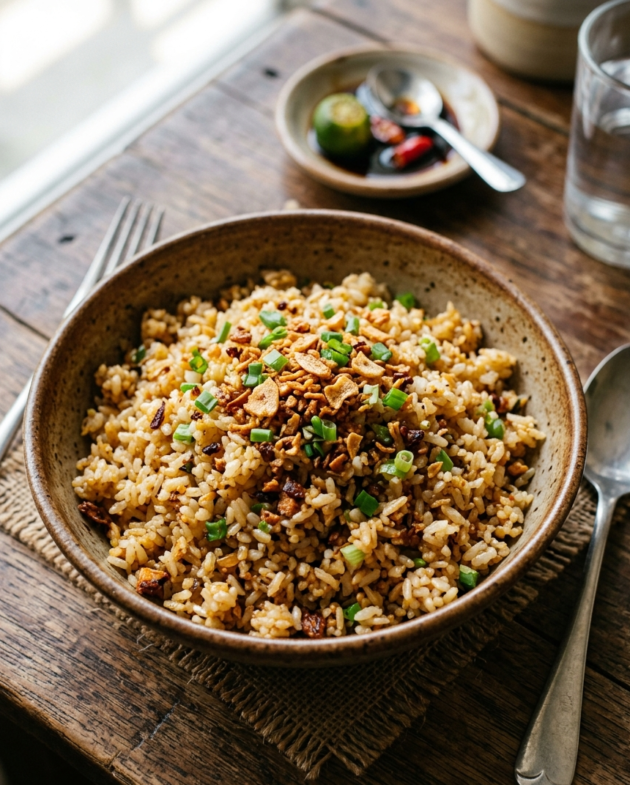
- Sinangag (Garlic Fried Rice): The natural partner to daing na bangus — day-old rice stir-fried with garlic and a touch of fish sauce makes the quintessential bangsilog base.
- Tortang Talong (Eggplant Omelette): Another beloved Filipino breakfast dish that pairs beautifully with daing for a satisfying meatless spread.
- Atchara (Pickled Green Papaya): The bright, tangy sweetness of atchara balances the deep savory richness of fried daing and adds refreshing contrast.
- Sinigang na Bangus: For a completely different but equally iconic bangus preparation, this tamarind-soured soup showcases the same milkfish in a warming, soupy context.
Frequently Asked Questions

Jeff Smith
"Cooking is the intersection of history, science, and emotion."
For me, the kitchen has always been a laboratory of culture. With a background deeply rooted in digital strategy and precision, I approach the culinary arts with the same rigor I apply to the digital landscape—analyzing flavors, perfecting techniques, and documenting the nuance that makes Filipino cuisine truly world-class.
Findme Recipe was born from a desire to bridge the gap between traditional heritage and the modern home cook. Whether it is mastering the perfect balance of acidity in a classic Adobo or simplifying complex regional dishes for everyday kitchens, my mission is to preserve our culinary identity through accessible, data-backed, and delicious content.
I am not just building a database; I am cultivating a community where every Filipino kitchen feels empowered, every ingredient is celebrated, and every family heirloom recipe finds a place to thrive.
Join me as we translate the soul of our islands into recipes for the next generation.