
- Step 1. Blanch the Chicken
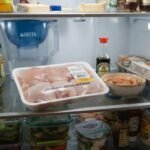
Bring a large pot of water to a boil and add the chicken pieces, boiling for 3 to 4 minutes to remove excess fat and impurities from the skin and bones. Drain the chicken in a colander and rinse briefly under warm water. This optional but recommended step results in a cleaner-tasting sauce, free of the slightly greasy film that can otherwise form on top of the finished dish once it simmers.
- Step 2. Make the Braising Sauce
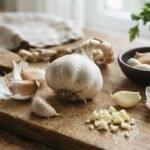
In a bowl, whisk together the gochujang, gochugaru, soy sauce, brown sugar, minced garlic, and grated ginger until smooth and well combined. This spicy, savory-sweet sauce is the foundation of dak bokkeum tang's bold flavor, so taste it before proceeding and adjust the heat or sweetness slightly if you prefer a milder or bolder final dish. Set the sauce aside while you prepare the vegetables.
- Step 3. Begin the Braise
In a large, wide pot, combine the blanched chicken, quartered potatoes, carrot, and sliced onion. Pour the braising sauce over everything and toss well to coat each piece evenly. Add the water or chicken stock, then bring the mixture to a boil over high heat, stirring occasionally to prevent the sauce from sticking to the bottom of the pot.
- Step 4. Simmer Until Tender
Once boiling, reduce the heat to a steady simmer and cook uncovered for 25 to 30 minutes, stirring occasionally, until the chicken is cooked through and tender, the potatoes are soft, and the sauce has reduced into a thick, glossy glaze that clings to every piece. If the sauce reduces too quickly before the vegetables are fully tender, add a splash more water or stock to keep it from scorching.
- Step 5. Adjust the Seasoning
Taste the braise once the chicken and vegetables are tender, and adjust with a touch more gochujang for heat, soy sauce for saltiness, or sugar for sweetness as needed. The finished sauce should taste bold, spicy, and savory, clinging thickly to the chicken and vegetables rather than remaining thin or watery. Continue simmering uncovered a bit longer if the sauce needs further reduction.
- Step 6. Finish and Serve
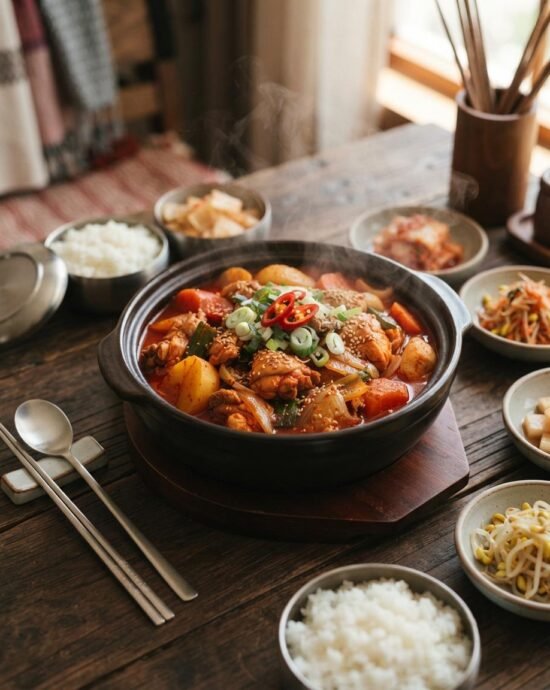
Stir in most of the chopped green onions along with the sesame oil and black pepper, reserving a small amount of green onion for garnish. Transfer the dak bokkeum tang to a large serving dish or leave it in the pot, garnish with the remaining green onions, and serve hot alongside a bowl of steamed rice to soak up the spicy, flavorful sauce.
- Calories:460 kcal23%
- Protein:36 g72%
- Carbohydrates:28 g10%
- Sugar:8 g9%
- Energy:1925 kJ23%
- Salt:2.1 g35%
- Fat:20 g29%
What is Dak Bokkeum Tang?
Dak bokkeum tang, also widely known as dakdoritang, is a hearty Korean braised chicken dish simmered with potatoes, carrots, and onion in a fiery, gochujang-based sauce until the chicken becomes tender and the sauce thickens into a glossy, clinging glaze. The dish’s name has sparked considerable debate among Korean food historians and linguists, as dori is believed by some to derive from the Japanese word for bird, prompting many contemporary cooks and food writers to prefer the fully Korean name dak bokkeum tang, which translates more directly to stir-braised chicken soup. Regardless of naming preference, the dish itself is one of the most beloved home-style Korean chicken preparations, prized for its straightforward technique and deeply satisfying combination of tender chicken, soft potatoes, and a spicy, umami-rich sauce that clings to every bite. Unlike dishes that rely on a long, slow braise, dak bokkeum tang comes together in well under an hour, making it a practical weeknight option despite its complex, layered flavor. The sauce, built from gochujang, gochugaru, garlic, and a touch of sugar, strikes a careful balance between heat and sweetness, coating the bone-in chicken pieces as they simmer and infusing the potatoes and carrots with the same bold flavor. Commonly served family-style straight from the cooking pot, dak bokkeum tang is a fixture of Korean home cooking and casual dining alike, frequently ordered at restaurants specializing in the dish and beloved for the way its thick, spicy sauce practically demands a bowl of rice to soak it all up.
Ingredient Notes
- Chicken, Bone-In: A mix of thighs and drumsticks is traditional, since bone-in pieces stay juicier through the braise and the bones add extra body to the sauce.
- Gochujang: This fermented chili paste forms the backbone of the sauce’s heat and sweetness; use a good quality brand for the most balanced flavor.
- Potatoes: Choose a starchy variety that holds its shape reasonably well during braising while still becoming tender and absorbing the spicy sauce.
- Gochugaru: Korean chili flakes add color and a fruity heat that gochujang alone cannot fully replicate; use a coarse grind for the most traditional texture.
- Carrot: Adds a subtle sweetness and vibrant color that balances the spicy, savory sauce; cut into large chunks so it holds up to the simmering time.
Ingredient Suggestions
- Rice cakes: Adding Korean rice cakes during the last 10 minutes of cooking makes the dish heartier and gives the sauce something extra to cling to.
- Glass noodles: A handful of soaked dangmyeon noodles added near the end soaks up the spicy sauce beautifully.
- Extra garlic: For a more assertive, aromatic sauce, doubling the garlic deepens the overall flavor considerably.
- Sliced green chili: A fresh Korean chili sliced in adds sharp, bright heat on top of the sauce’s built-in spice.
- A drizzle of honey: For those who prefer a glossier, slightly sweeter glaze, a touch of honey stirred in near the end enhances the sauce’s shine.
Helpful Tips & Pro Tips
- If your sauce turns out thin rather than thick and glossy, continue simmering uncovered a bit longer, since the sauce needs time to reduce properly.
- Blanching the chicken briefly before braising removes excess fat and results in a cleaner, less greasy final sauce.
- Cut the potatoes and carrots into large, similarly sized chunks so they cook evenly and do not turn mushy before the chicken is fully tender.
- Taste and adjust the sauce’s heat and sweetness partway through cooking, since gochujang brands vary significantly in both intensity and flavor.
- Stir occasionally throughout the simmer to prevent the sugar-heavy sauce from sticking or scorching on the bottom of the pot.
How to Serve and Store
Serve dak bokkeum tang hot, straight from the pot, family-style, alongside a bowl of steamed rice to soak up the spicy, glossy sauce. Leftovers keep well in an airtight container in the refrigerator for up to 4 days and often taste even better the next day as the flavors continue to meld together. Reheat gently on the stovetop over medium heat, adding a small splash of water if the sauce has thickened too much in storage. Dak bokkeum tang also freezes well for up to 3 months, making it a convenient dish to prepare in a large batch ahead of time; thaw overnight in the refrigerator before reheating gently on the stove.
Substitutions
- Chicken → Extra potatoes, carrots, and mushrooms — A hearty plant-based version that still delivers on the dish’s bold, spicy sauce. (Vegan)
- Soy Sauce → Tamari — Preserves the sauce’s salty depth while keeping the dish gluten-free. (Gluten-Free)
- Bone-In Chicken → Boneless chicken thighs — A more budget-friendly and faster-cooking option, though the sauce will have slightly less body. (Budget-Friendly)
- Potatoes → Sweet potatoes — A slightly sweeter alternative that still holds up well to the braising process.
- Gochujang → A blend of miso and chili flakes — An improvised approximation when authentic gochujang cannot be sourced locally.
Suggested Recipes
- Dakgalbi: Another spicy Korean chicken dish, offering a stir-fried alternative to dak bokkeum tang’s braised technique.
- Galbijjim: A braised beef short rib dish that shares dak bokkeum tang’s technique of simmering meat in a thick, flavorful sauce.
- Tteokbokki: A spicy rice cake dish that shares dak bokkeum tang’s gochujang-forward flavor profile.
- Japchae: A stir-fried noodle side dish that balances dak bokkeum tang’s heat when served as part of a larger meal.

Jeff Smith
"Cooking is the intersection of history, science, and emotion."
For me, the kitchen has always been a laboratory of culture. With a background deeply rooted in digital strategy and precision, I approach the culinary arts with the same rigor I apply to the digital landscape—analyzing flavors, perfecting techniques, and documenting the nuance that makes Filipino cuisine truly world-class.
Findme Recipe was born from a desire to bridge the gap between traditional heritage and the modern home cook. Whether it is mastering the perfect balance of acidity in a classic Adobo or simplifying complex regional dishes for everyday kitchens, my mission is to preserve our culinary identity through accessible, data-backed, and delicious content.
I am not just building a database; I am cultivating a community where every Filipino kitchen feels empowered, every ingredient is celebrated, and every family heirloom recipe finds a place to thrive.
Join me as we translate the soul of our islands into recipes for the next generation.