
- Soak the ribs
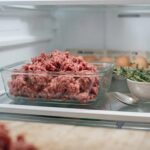
Place the short ribs in a large bowl of cold water and let them soak for 20 to 30 minutes, changing the water once partway through. This step draws out excess blood from the bone-in cuts, which is a traditional technique that results in a cleaner-tasting marinade and prevents any metallic or overly gamey flavor from developing in the finished dish. Pat the ribs thoroughly dry with paper towels once soaking is complete, since excess moisture will dilute the marinade.
- Make the marinade
In a large bowl or blender, combine the soy sauce, brown sugar, grated Asian pear, grated onion, minced garlic, grated ginger, sesame oil, black pepper, and water or soda. If using a blender, pulse briefly until the aromatics are finely broken down but not fully pureed, creating a marinade with texture that clings well to the ribs. The grated pear and a small amount of soda both work to naturally tenderize the meat, which is especially important for the flanken-cut short ribs traditional to galbi.
- Marinate the ribs
Add the dried short ribs to the marinade, making sure every piece is fully submerged and coated. Cover tightly and refrigerate for at least 2 hours, though marinating overnight produces noticeably more tender and flavorful results, since the thin bone-in cuts benefit from extended contact with the tenderizing marinade. Turn the ribs once or twice during marinating to ensure even coverage on all sides.
- Preheat and prepare the grill
About 20 minutes before cooking, remove the ribs from the refrigerator to take the chill off, which helps them cook more evenly. Preheat a grill, grill pan, or broiler to medium-high heat. If grilling outdoors, oil the grates lightly to prevent sticking, since the sugar in the marinade can cause the ribs to catch on an unoiled surface.
- Grill the short ribs
Remove the ribs from the marinade, letting any excess drip off, and place them on the hot grill. Cook for 2 to 3 minutes per side, watching closely since the marinade's sugar content can burn quickly on high heat; move the ribs to a slightly cooler part of the grill if they begin to char too fast. The ribs are done when they are deeply caramelized on the outside and cooked through, which typically takes 4 to 6 minutes total given their thin, flanken-style cut.
- Rest and serve
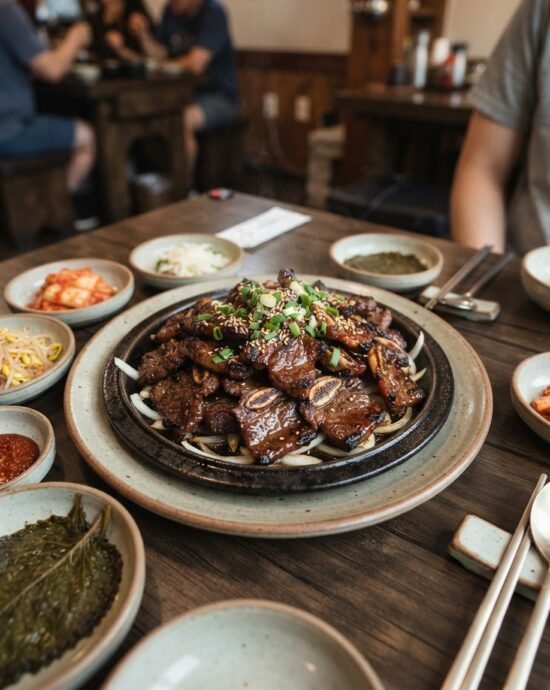
Transfer the grilled short ribs to a serving platter and let them rest for 2 to 3 minutes before serving, which allows the juices to redistribute through the meat. Garnish with chopped green onions and toasted sesame seeds. Serve galbi hot off the grill with steamed rice, lettuce leaves for wrapping, ssamjang, and a selection of banchan for a complete Korean barbecue spread.
- Calories:480 kcal24%
- Protein:34 g68%
- Carbohydrates:18 g6%
- Sugar:13 g14%
- Energy:2008 kJ24%
- Salt:2 g33%
- Fat:28 g40%
What is Galbi?
Galbi refers to Korean-style grilled short ribs marinated in a sweet, savory soy-based sauce built from garlic, sesame oil, and grated Asian pear, then cooked quickly over high heat until caramelized and smoky. Also commonly called kalbi, the dish traditionally uses a flanken cut of beef short rib, sliced thinly across the bone rather than between the bones as is common in Western butchery, a style often referred to as LA galbi due to its popularity among Korean American communities in Los Angeles. This particular cut allows the thin strips of meat to marinate quickly and cook fast over an open flame while still delivering the rich, gelatinous flavor associated with short ribs. Galbi has long held a place of honor in Korean cuisine, traditionally reserved for celebratory occasions, birthdays, and family gatherings due to the relative expense of short ribs compared to other cuts of meat, though it has since become a beloved staple of everyday Korean barbecue restaurants worldwide. The marinade, remarkably similar in spirit to bulgogi’s, relies on the same tenderizing power of grated Asian pear and onion, though galbi’s bone-in preparation and thicker cut give it a heartier, more substantial bite and a distinct char from the direct exposure to intense grill heat. Served alongside lettuce for wrapping, ssamjang, and rice, galbi remains one of the most celebrated and recognizable dishes in Korean barbecue, prized for the way its caramelized, smoky exterior gives way to tender, richly flavored meat underneath.
Ingredient Notes
- Korean-style short ribs: Also labeled LA galbi or flanken cut, look for ribs sliced thin across the bone rather than the thicker English cut, which is essential for the quick-grilling method used in this recipe.
- Asian pear: This ingredient naturally tenderizes the meat through its enzymes while adding subtle sweetness; grate it finely and include the juice for maximum effect.
- Soy sauce: A standard, all-purpose soy sauce provides the marinade’s salty backbone; avoid using a very dark or thick soy sauce, which can overpower the other flavors.
- Sesame oil: Toasted sesame oil rounds out the marinade with a nutty aroma essential to authentic Korean barbecue flavor; use it in moderation since a little goes a long way.
- Soda or water: A small amount of carbonated soda, a traditional Korean technique, helps tenderize the meat further and adds a subtle sweetness to balance the savory soy sauce.
Ingredient Suggestions
- Kiwi: A grated kiwi added to the marinade boosts the natural tenderizing effect, especially useful for thicker cuts.
- Toasted sesame leaves: Serving these aromatic leaves alongside lettuce for wrapping adds a distinctive herbal note to each bite.
- Sliced garlic: Grilling a few extra slices of garlic alongside the ribs and adding them to the wrap deepens the savory flavor.
- Kimchi: A side of tangy kimchi cuts through the richness of the caramelized, fatty short ribs.
- Extra green onion salad: A simple green onion salad dressed with sesame oil and chili flakes is a traditional bright, sharp accompaniment to galbi.
Helpful Tips & Pro Tips
- If your galbi turns out tough, the ribs were likely not marinated long enough or the cut was too thick; aim for a thin flanken cut and marinate for at least a few hours.
- Watch the grill closely once the ribs are cooking, since the marinade’s high sugar content can burn quickly over direct high heat.
- Soaking the ribs in cold water before marinating removes excess blood and results in a cleaner, more balanced final flavor.
- Let the ribs rest briefly after grilling before serving, which allows the juices to redistribute and keeps each bite tender.
- Do not discard the marinade entirely; a small amount can be simmered separately into a sauce, though never reuse marinade that touched raw meat without cooking it first.
How to Serve and Store
Serve galbi hot off the grill with steamed rice, fresh lettuce leaves for wrapping, ssamjang, and a variety of banchan for a full Korean barbecue experience. Leftover cooked galbi keeps well in an airtight container in the refrigerator for up to 3 days and reheats nicely in a hot skillet for a couple of minutes per side to restore some char and warmth. Raw, marinated short ribs can also be frozen for up to 3 months, making it easy to prep ahead for future meals; thaw overnight in the refrigerator before grilling. Avoid microwaving leftover galbi for too long, as this can dry out the thin cuts of meat quickly.
Substitutions
- Short ribs → Thick portobello mushroom caps — A hearty, smoky plant-based alternative that absorbs the marinade well on the grill. (Vegan)
- Soy sauce → Tamari or coconut aminos — Preserves the marinade’s salty depth while keeping the dish gluten-free. (Gluten-Free)
- Short ribs → Chuck short ribs or country-style ribs — A more affordable cut that can be marinated longer to compensate for a thicker profile. (Budget-Friendly)
- Asian pear → Grated apple or pineapple — Both provide a similar natural tenderizing and sweetening effect when Asian pear is unavailable.
- Fresh ginger → Ground ginger — A pantry-friendly substitute, though fresh ginger provides a brighter, more pronounced flavor.
Suggested Recipes
- Bulgogi: Shares galbi’s signature sweet soy-pear marinade but uses thin, boneless beef instead of ribs.
- Samgyeopsal: Another grilled Korean centerpiece dish, ideal for pairing with galbi on a larger barbecue spread.
- Japchae: A stir-fried noodle side dish that complements galbi’s richness with lighter, savory-sweet flavor.
- Bibimbap: A rice bowl that makes excellent use of any leftover grilled galbi, chopped and added as a topping.

Jeff Smith
"Cooking is the intersection of history, science, and emotion."
For me, the kitchen has always been a laboratory of culture. With a background deeply rooted in digital strategy and precision, I approach the culinary arts with the same rigor I apply to the digital landscape—analyzing flavors, perfecting techniques, and documenting the nuance that makes Filipino cuisine truly world-class.
Findme Recipe was born from a desire to bridge the gap between traditional heritage and the modern home cook. Whether it is mastering the perfect balance of acidity in a classic Adobo or simplifying complex regional dishes for everyday kitchens, my mission is to preserve our culinary identity through accessible, data-backed, and delicious content.
I am not just building a database; I am cultivating a community where every Filipino kitchen feels empowered, every ingredient is celebrated, and every family heirloom recipe finds a place to thrive.
Join me as we translate the soul of our islands into recipes for the next generation.