
- Step 1. Soak and Trim the Ribs
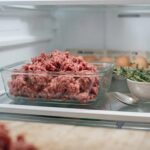
Place the short ribs in a large bowl of cold water and soak for 30 minutes to draw out excess blood, changing the water once partway through for the cleanest results. Drain well and trim away any large pieces of excess surface fat, leaving enough to keep the meat flavorful during the long braise. Pat the ribs dry thoroughly with paper towels, since excess moisture will prevent proper browning in the next step and can dilute the braising liquid.
- Step 2. Blanch the Ribs
Bring a large pot of water to a boil and add the short ribs, boiling for 5 minutes to remove any remaining impurities and excess fat from the surface of the meat. Drain the ribs in a colander and rinse briefly under warm water, discarding the blanching liquid. This step, though optional, results in a noticeably cleaner-tasting, less greasy braising sauce and is a traditional technique used in many Korean households for galbijjim.
- Step 3. Make the Braising Sauce
In a large bowl, whisk together the soy sauce, brown sugar, grated Asian pear, chopped onion, minced garlic, grated ginger, sesame oil, and black pepper until well combined. This sweet, savory marinade forms the base flavor of the entire braise, so taste it before proceeding and adjust the sweetness or saltiness slightly if desired. Add the blanched ribs to the sauce, tossing to coat every piece evenly, and let them marinate for at least 20 minutes while you prepare the vegetables.
- Step 4. Begin the Braise
Transfer the marinated ribs and sauce to a large, heavy pot or Dutch oven and add the water, ensuring the ribs are mostly submerged. Bring to a boil over high heat, then reduce to a low simmer, cover, and cook for 1 hour, stirring occasionally and skimming any excess fat that rises to the surface. This long, gentle simmer is what breaks down the short ribs' connective tissue, resulting in the tender, fall-off-the-bone texture galbijjim is known for.
- Step 5. Add the Vegetables
Add the radish, carrots, and soaked shiitake mushrooms to the pot, along with the chestnuts. Continue simmering uncovered for another 30 to 40 minutes, stirring occasionally, until the vegetables are tender and the sauce has reduced into a thick, glossy glaze that coats the meat and vegetables. If the sauce reduces too quickly before the vegetables are tender, add a splash more water to keep everything from sticking or burning.
- Step 6. Finish and Serve
Once the ribs are fork-tender and the sauce has thickened to a rich glaze, taste and adjust the seasoning with a touch more soy sauce if needed. Stir in most of the chopped green onions, reserving a little for garnish. Transfer the galbijjim to a large serving platter or leave it in the pot, garnish with the remaining green onions and toasted sesame seeds, and serve hot alongside a bowl of steamed rice.
- Calories:540 kcal27%
- Protein:36 g72%
- Carbohydrates:24 g9%
- Sugar:15 g17%
- Energy:2260 kJ27%
- Salt:2.1 g35%
- Fat:32 g46%
What is Galbijjim?
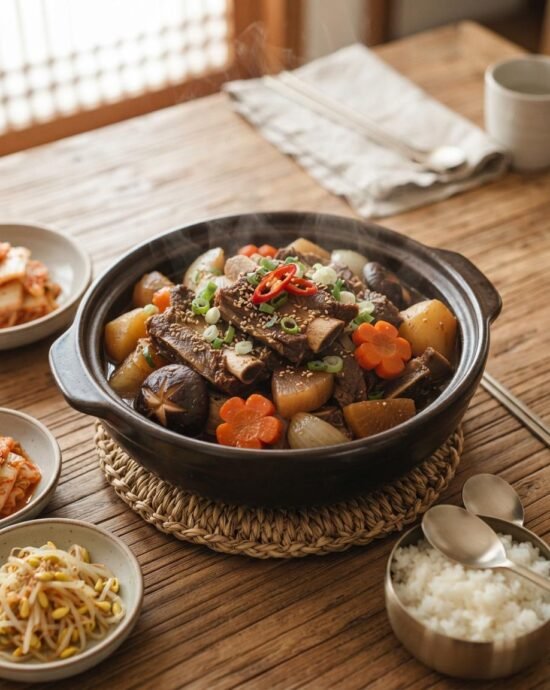
Galbijjim is a traditional Korean braised short rib dish, simmered low and slow in a sweet soy-based sauce with radish, carrots, chestnuts, and mushrooms until the meat becomes deeply tender and infused with rich, savory-sweet flavor. The name combines galbi, meaning rib, with jjim, a Korean cooking method referring to steaming or braising, distinguishing it from grilled galbi, which uses the same cut but a completely different cooking technique. Galbijjim has long held a place of honor in Korean cuisine, traditionally served during major holidays like Seollal and Chuseok as well as significant family celebrations such as birthdays and weddings, owing to the relative expense of short ribs and the labor-intensive, hours-long preparation the dish requires. The braising process is what defines galbijjim’s character, as the short ribs slowly release their collagen into the sauce over an extended simmer, thickening it into a glossy, deeply savory glaze while the meat itself becomes tender enough to pull apart with chopsticks. The addition of Korean radish, carrots, and chestnuts not only rounds out the dish nutritionally but also allows each vegetable to absorb the rich braising liquid, becoming almost as prized as the meat itself by the end of cooking. Considered one of the most celebratory dishes in Korean home cooking, galbijjim exemplifies the patience and care central to Korean braising traditions, rewarding a long cooking time with a dish that feels both luxurious and deeply comforting.
Ingredient Notes
- Bone-In Beef Short Ribs: Choose thick, English-cut short ribs with good marbling, since the bone and connective tissue are essential for building a rich, gelatinous braising sauce.
- Korean Radish: This firm, slightly sweet radish holds its shape well during long braising; substitute daikon if Korean radish is unavailable.
- Asian Pear: Its natural enzymes tenderize the beef while adding a subtle sweetness that balances the salty soy sauce base.
- Dried Shiitake Mushrooms: Soaking dried mushrooms rather than using fresh ones concentrates their umami flavor and adds depth to the braising liquid.
- Chestnuts: A traditional addition that adds a mild sweetness and pleasant texture; pre-peeled chestnuts save considerable prep time.
Ingredient Suggestions
- Quail eggs: Adding peeled, hard-boiled quail eggs during the last 15 minutes of braising is a classic festive touch.
- Sliced daikon: An additional layer of radish adds more of the tender, sauce-soaked vegetable that many diners consider the best part of the dish.
- Rice cakes: Adding Korean rice cakes near the end of cooking turns leftover sauce into a heartier dish.
- Extra garlic: For a more assertive, aromatic braise, doubling the garlic deepens the overall flavor.
- A drizzle of honey: For those who prefer a glossier, sweeter glaze, a touch of honey stirred in near the end enhances the sauce’s shine.
Helpful Tips & Pro Tips
- If your short ribs turn out tough rather than fall-off-the-bone tender, they likely need more simmering time; galbijjim rewards patience, so do not rush the braise.
- Skim excess fat from the surface of the braising liquid periodically, which keeps the final sauce from tasting greasy.
- Soaking and blanching the ribs before braising removes impurities and results in a noticeably cleaner, more refined final sauce.
- Add heartier vegetables like radish and carrots partway through the braise rather than at the very start, since they can turn mushy if cooked the entire time.
- Galbijjim often tastes even better the next day, once the flavors have had time to meld further in the refrigerator overnight.
How to Serve and Store
Serve galbijjim hot, directly from the pot or transferred to a large festive platter, alongside steamed rice and a selection of banchan for a complete, celebratory Korean meal. Leftovers keep exceptionally well in an airtight container in the refrigerator for up to 4 days, and many cooks find the flavor deepens overnight as the sauce continues to infuse the meat and vegetables. Reheat gently on the stovetop over medium-low heat, adding a small splash of water if the sauce has thickened too much in storage. Galbijjim also freezes well for up to 3 months, making it an excellent make-ahead dish for holidays and gatherings; thaw overnight in the refrigerator before reheating.
Substitutions
- Beef Short Ribs → Thick king oyster mushrooms and extra vegetables — A hearty plant-based version that still absorbs the rich braising sauce. (Vegan)
- Soy Sauce → Tamari or coconut aminos — Preserves the braise’s salty depth while keeping it gluten-free. (Gluten-Free)
- Beef Short Ribs → Chuck roast, cubed — A more affordable cut that still becomes tender with a long, slow braise. (Budget-Friendly)
- Chestnuts → Diced sweet potato — A widely available substitute that offers a similar gentle sweetness.
- Asian Pear → Grated apple — A reasonable stand-in for the natural tenderizing and sweetness Asian pear provides.
Suggested Recipes
- Galbi: The grilled counterpart to galbijjim, sharing a similar sweet soy marinade but cooked quickly over high heat instead of braised.
- Bulgogi: Another marinated Korean beef dish that shares galbijjim’s sweet-savory flavor profile.
- Japchae: A stir-fried noodle side dish that traditionally accompanies galbijjim at festive Korean meals.
- Doenjang Jjigae: A comforting stew that offers a simpler, everyday counterpart to galbijjim’s celebratory richness.

Jeff Smith
"Cooking is the intersection of history, science, and emotion."
For me, the kitchen has always been a laboratory of culture. With a background deeply rooted in digital strategy and precision, I approach the culinary arts with the same rigor I apply to the digital landscape—analyzing flavors, perfecting techniques, and documenting the nuance that makes Filipino cuisine truly world-class.
Findme Recipe was born from a desire to bridge the gap between traditional heritage and the modern home cook. Whether it is mastering the perfect balance of acidity in a classic Adobo or simplifying complex regional dishes for everyday kitchens, my mission is to preserve our culinary identity through accessible, data-backed, and delicious content.
I am not just building a database; I am cultivating a community where every Filipino kitchen feels empowered, every ingredient is celebrated, and every family heirloom recipe finds a place to thrive.
Join me as we translate the soul of our islands into recipes for the next generation.