
- Step 1: Clean and Prepare the Alimango
Alimango, or mud crab, is one of the most prized and expensive crabs in the Philippines, valued for its large body, meaty claws, and exceptionally sweet, succulent flesh. If using live crabs, place them in the freezer for 20 to 30 minutes to humanely stun them before handling. Clean each crab by scrubbing the shell vigorously under cold running water. Remove the top shell (carapace), setting it aside — the carapace's fat (crab tomalley) can be scooped out and added to the sauce for additional depth. Remove the feathery gills from the body and discard. Rinse the cleaned body thoroughly and cut it in half. Using the back of a heavy cleaver, crack the large claws slightly so the sauce can penetrate during cooking. Tie the claws if desired to prevent them from breaking off.
- Step 2: Sauté Aromatics
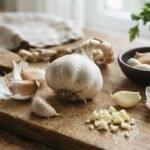
Heat two tablespoons of cooking oil in a large, wide wok or heavy pot over medium heat. Add the sliced ginger and cook for 30 seconds until fragrant. Add the minced garlic and sliced onion and sauté for two to three minutes until softened and aromatic. Add the bagoong alamang and stir it through the aromatics, cooking for two minutes to mellow the fermented shrimp paste's intensity. The bagoong adds a foundational brininess and umami depth to the coconut sauce that sea salt alone cannot achieve. Add the siling haba and stir everything together. If you scooped out the crab's tomalley (the yellowish-green creamy fat from inside the carapace), add it to the aromatics now — it will melt into the oil and enrich the sauce with intense crab flavor.
- Step 3: Add Coconut Milk and Simmer
Pour the coconut milk into the wok with the sautéed aromatics. Stir to combine and bring to a gentle simmer over medium heat. Add the green onion stalks whole — they will infuse flavor during cooking and can be removed before serving. Simmer the coconut milk with the aromatics for five minutes, allowing all the flavors to meld and develop. The coconut milk should be at a steady simmer — not a rapid boil that would cause it to separate. Taste the coconut sauce at this stage and adjust seasoning if needed. The sauce base should smell wonderfully of ginger, garlic, and coconut with a pleasant underlying brininess from the bagoong. Season with a small pinch of salt and black pepper at this stage.
- Step 4: Cook the Crab
Add the prepared alimango pieces to the simmering coconut milk, pressing the crab into the sauce. Spoon sauce over the top of the shells. Cover the pot and cook over medium heat for 12 to 15 minutes, turning the crab pieces gently once halfway through, until the shells are fully red-orange and the meat is cooked through and opaque. Do not overcook the crab — alimango meat becomes tough and stringy with excessive heat exposure. The sweet, delicate crab fat inside the carapace shells will dissolve partially into the coconut sauce during cooking, creating an extraordinary depth of flavor that commercial seafood stock cannot replicate. Remove the lid for the final two minutes to allow the sauce to concentrate slightly.
- Step 5: Add Coconut Cream and Finish
Pour the coconut cream into the pot and stir gently to incorporate it into the sauce. Cook uncovered over medium heat for five to seven minutes, stirring regularly, until the sauce thickens and the coconut fat begins to visibly separate and pool around the crab pieces. This 'oiling out' of the coconut is the traditional indicator of a properly finished ginataang dish in Filipino cooking and means the sauce has reduced and concentrated to its ideal consistency. Taste and finalize the seasoning — add salt if needed and siling labuyo if you prefer additional heat. Remove the whole green onion stalks. The sauce should be rich, creamy, and deeply infused with crab and aromatic flavors.
- Step 6: Plate and Serve
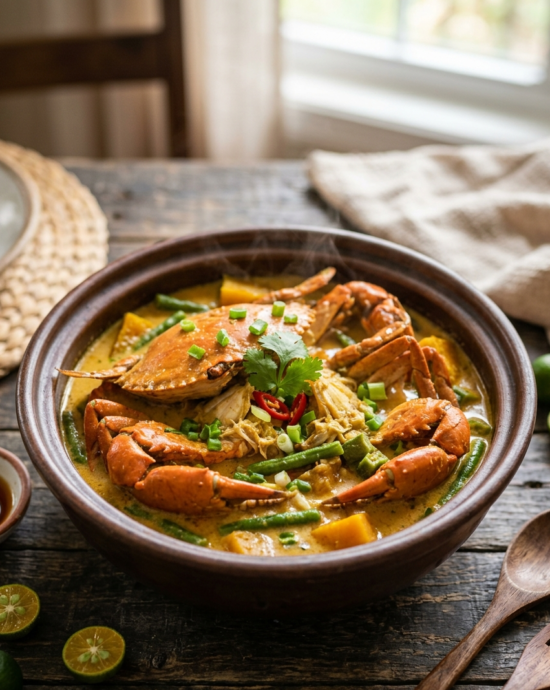
Carefully transfer the cooked alimango to a large serving bowl or platter, arranging the crab pieces attractively with the shells facing up. Pour the rich coconut sauce generously over all the crab pieces, ensuring every shell glistens with the golden-cream sauce. Garnish with freshly sliced green onions and additional siling haba for color and freshness. Provide crab cracking tools — a heavy spoon or dedicated crab mallet — for guests to open the claws at the table. Serve immediately with steamed white rice. Ginataang Alimango is a celebratory dish in Filipino culture, typically reserved for special occasions due to the cost of live mud crabs, and should be presented with corresponding drama and generosity.
- Calories:340 kcal17%
- Energy:1,423 kj17%
- Protein:24 648%
- Carbohydrates:10 g4%
- Sugar:3 g3%
- Salt:1.1 g18%
- Fat:22 g28%
Table of Contents
What Is Ginataang Alimango?
Ginataang Alimango is a luxurious Filipino dish featuring live mud crab (alimango) cooked in a rich coconut milk and coconut cream sauce infused with ginger, garlic, lemongrass, and bagoong alamang, producing a creamy, golden sauce that perfectly showcases the extraordinary sweetness and richness of Philippine mud crab. It is considered one of the most celebratory and premium dishes in Filipino coastal cuisine.
The word ‘ginataan’ refers to any Filipino dish cooked in coconut milk, a technique that is central to the cooking traditions of the Visayas, Mindanao, and coastal communities throughout the Philippine archipelago. The coconut milk technique transforms the cooking liquid into a rich, sweet, creamy medium that both cooks and sauces the seafood simultaneously, creating dishes of remarkable efficiency and flavor depth.
Alimango — the Philippine mud crab — is among the most commercially significant and gastronomically prized crustaceans in Southeast Asian seafood culture. Philippine mud crabs, particularly those from Zamboanga, Palawan, and the Cagayan Valley mangrove areas, are exported throughout Asia and fetch premium prices in international markets due to their exceptional size, meat yield, and flavor. A large female alimango with full egg roe (often called ‘crab fat’) is the most prized and expensive specimen.
Ginataang Alimango represents the convergence of the Philippines’ extraordinary marine biodiversity and the coconut milk cooking traditions that developed over centuries of insular seafaring life — a dish that is simultaneously deeply humble in technique and breathtaking in the quality of its primary ingredient.
Ingredient Notes
- Alimango (Mud Crab) Live or freshly killed alimango is the only acceptable ingredient for this dish — pre-cooked or frozen crab cannot produce the same depth of flavor as crab that cooks fresh in the coconut milk. Choose the best alimango for Ginataang Alimango by selecting the heaviest crabs relative to their size, indicating high meat yield and abundant crab fat.
- Crab Tomalley: The yellowish-green fat inside the crab carapace is one of the most flavorful ingredients in all of Filipino seafood cooking. Adding it to the aromatics before the coconut milk creates an intensely crab-flavored sauce base that cannot be achieved any other way.
Ingredient Suggestions
- Sitaw (String Beans) — Adding cut string beans in the final five minutes provides welcome textural variety and nutritional balance to the rich coconut sauce.
- Squash — Cubed kalabasa (squash) added during the coconut milk simmer absorbs the sauce beautifully and adds natural sweetness and body.
- Pandan Leaves — Adding a knotted pandan leaf to the coconut milk infusion introduces a subtle, sweet, tropical herbal fragrance distinctive to Southeast Asian cooking.
Helpful Tips & Pro Tips
- Live crabs produce the most flavorful Ginataang Alimango because the crab fat (tomalley) is fresh and creamy; frozen crabs have often lost most of their fat during processing, resulting in a noticeably less rich sauce.
- Crack the crab claws before cooking rather than after — this allows the coconut sauce to penetrate the claw meat during cooking, infusing it with flavor from the inside out rather than just coating the exterior.
- Why is my coconut sauce separating into oil and water? The heat was too high during cooking — coconut milk requires a gentle simmer, not a boil. Reduce heat immediately and stir vigorously to re-emulsify if separation occurs.
How to Serve and Store
Ginataang Alimango should be served immediately after cooking while the coconut sauce is at its creamiest and richest. Steamed white rice is absolutely essential. Leftovers keep in the refrigerator for up to 2 days; reheat very gently over low heat. The coconut sauce alone is extraordinary spooned over rice even without the crab. Freezing is not recommended as both crab texture and coconut sauce quality degrade significantly.
Substitutions
- Mud Crab → Blue Swimmer Crab — A more affordable and widely available crab with similar sweet flavor that works beautifully with the coconut milk sauce.
- Bagoong Alamang → Fish Sauce — Substitute 1–2 teaspoons for similar saltiness and oceanic depth without the paste texture.
- Coconut Cream → Greek Yogurt — Not traditional but provides similar richness for dairy-tolerant cooks; stir in off-heat to prevent curdling.
Suggested Recipes
- Curacha Alavar — A fellow coconut milk crab dish from Zamboanga that shares the same creamy coconut-seafood tradition with a distinctly different regional aromatic profile.
- Ginataang Tulingan — A coconut milk fish dish that applies the same ginataan cooking technique to the humble tuna-family fish for an accessible everyday alternative.
- Relyenong Alimango — An ambitious stuffed crab preparation using the same alimango in a more elaborate, labor-intensive preparation for special celebrations.
Frequently Asked Questions

Jeff Smith
"Cooking is the intersection of history, science, and emotion."
For me, the kitchen has always been a laboratory of culture. With a background deeply rooted in digital strategy and precision, I approach the culinary arts with the same rigor I apply to the digital landscape—analyzing flavors, perfecting techniques, and documenting the nuance that makes Filipino cuisine truly world-class.
Findme Recipe was born from a desire to bridge the gap between traditional heritage and the modern home cook. Whether it is mastering the perfect balance of acidity in a classic Adobo or simplifying complex regional dishes for everyday kitchens, my mission is to preserve our culinary identity through accessible, data-backed, and delicious content.
I am not just building a database; I am cultivating a community where every Filipino kitchen feels empowered, every ingredient is celebrated, and every family heirloom recipe finds a place to thrive.
Join me as we translate the soul of our islands into recipes for the next generation.