
- Step 1: Prepare the Toasted Coconut Paste
The defining ingredient of piyanggang manok is the toasted and partially burned coconut paste that gives the dish its unmistakable dark color and smoky, complex flavor. In a dry skillet over medium heat, toast the grated fresh coconut, stirring constantly, until it turns deep, dark brown — almost black in places — with a pronounced smoky, nutty aroma. This toasting process takes 8 to 12 minutes of constant attention and stirring. Remove from heat and allow to cool completely. Transfer the deeply toasted coconut to a mortar and pestle or food processor and grind until it forms a dark, coarse paste. This is the piyanggang element — the charred, ground coconut that gives the dish its name, its dark sauce, and its irreplaceable, dramatically complex flavor.
- Step 2: Sauté Aromatics
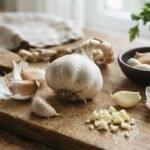
Heat the cooking oil in a heavy-bottomed pot or Dutch oven over medium heat. Add the sliced galangal first and cook for 1 to 2 minutes — galangal is a rhizome related to ginger but with a distinctly piney, peppery, more medicinal quality that is characteristic of Tausug and broader Mindanaoan cuisine. Add the julienned ginger next and stir for 1 minute. Add the sliced onions and cook for 3 minutes until softened and translucent. Add the crushed garlic and stir for 1 minute until golden and fragrant. Add the bruised lemongrass stalks and whole or sliced bird's eye chilies, pressing them through the aromatics and cooking for 1 additional minute until the lemongrass releases its citrusy fragrance. This multi-layered aromatic base — galangal, ginger, lemongrass, garlic, chili — is the foundation that distinguishes piyanggang manok from any other Filipino coconut chicken dish.
- Step 3: Brown the Chicken
Increase the heat to medium-high and add the chicken pieces to the aromatic base. Season with fish sauce and toss everything together so every piece is thoroughly coated in the fragrant aromatics and seasoning. Cook for 3 to 4 minutes, turning occasionally, until the chicken develops a light golden exterior and the fish sauce caramelizes slightly against the surface. This browning step develops a savory, roasted depth in the chicken that will contrast beautifully with the smoky sweetness of the toasted coconut paste added later. The galangal and ginger aromatics will have begun to perfume the chicken deeply at this stage, and you will notice the kitchen filling with a warm, complex, distinctly Southeast Asian fragrance that signals this dish's Mindanaoan heritage.
- Step 4: Add Coconut Milk and Toasted Coconut Paste
Pour the coconut milk into the pot in a slow, steady stream and stir gently to combine it with the aromatics and chicken. Add the ground toasted coconut paste and stir vigorously to incorporate it completely into the coconut milk — it will immediately begin to tint the sauce a dramatic dark brown, almost black color that is the unmistakable visual signature of piyanggang manok. Bring the sauce to a gentle simmer over medium heat, stirring to ensure the toasted coconut paste dissolves evenly throughout. Reduce the heat to medium-low, partially cover the pot, and allow the chicken to braise in the dark coconut sauce for 20 to 25 minutes, turning pieces once at the halfway mark, until the chicken is completely tender and thoroughly infused with the sauce's smoky, complex flavor.
- Step 5: Add Coconut Cream and Reduce
Pour in the coconut cream and stir to incorporate it evenly into the thickened dark sauce. The coconut cream enriches and deepens the sauce further, adding a luxurious silkiness that coats every piece of chicken beautifully. Add the optional turmeric at this stage if using, stirring to distribute the golden color through the dark sauce — it creates a beautiful, complex dark amber tone. Continue simmering uncovered over medium heat for 8 to 10 minutes, stirring occasionally, until the sauce reduces to a rich, dark, coating consistency that clings generously to the chicken pieces. Monitor the heat carefully — the toasted coconut paste in the sauce makes it slightly more prone to scorching on the bottom than a plain coconut milk sauce; stir frequently and reduce heat if needed.
- Step 6: Taste, Adjust, and Serve
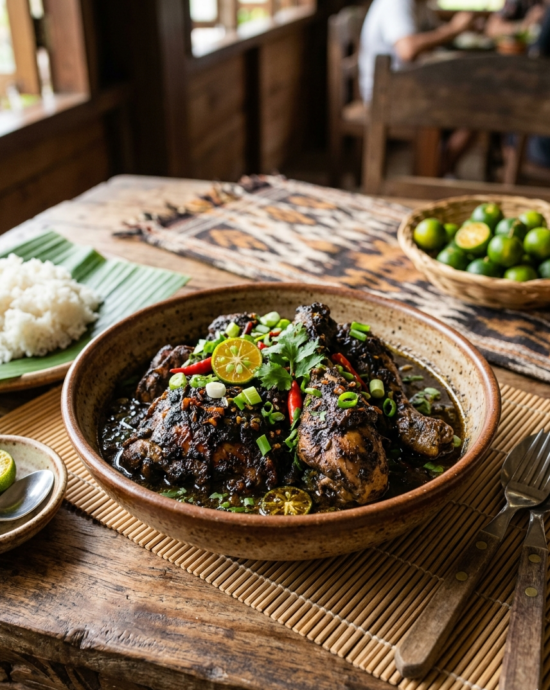
Taste the finished dish carefully — piyanggang manok should deliver a complex layering of smoky, earthy toasted coconut; warming ginger and galangal; bright, citrusy lemongrass; and the building heat of bird's eye chilies, all wrapped in the richness of coconut cream. Adjust the seasoning with fish sauce, salt, and white pepper to achieve this balance. Remove and discard the lemongrass stalks and galangal slices before serving. Plate the chicken pieces in deep bowls or on a wide platter, spoon the dark, glossy sauce generously over each piece, and serve immediately over steaming white rice. The dramatic, near-black sauce against the white rice is one of the most visually striking presentations in all of Filipino regional cooking.
- Calories:380 kcal19%
- Protein:30 g60%
- Carbohydrates:8 g3%
- Sugar:2 g2%
- Fat:25 g32%
Table of Contents
What Is Piyanggang Manok?
Piyanggang manok is a Tausug Filipino chicken dish braised in coconut milk with deeply toasted — almost charred — grated coconut, galangal, lemongrass, and bird’s eye chilies, producing one of the most visually dramatic and flavor-complex regional dishes in the entire Philippine archipelago. The dish originates from the Tausug people of the Sulu Archipelago in Mindanao — one of the Philippines’ oldest and most distinct Muslim Filipino (Moro) cultures, whose cuisine is deeply influenced by the broader Islamic culinary world of Southeast Asia, sharing spice profiles and techniques with Indonesian, Malaysian, and Bruneian cooking traditions.
The word piyanggang refers to the practice of deeply toasting or charring the grated coconut until it turns an almost-black color — a technique that transforms the coconut’s mild, sweet character into something dramatically smoky, nutty, and complex, bearing more resemblance to dark roasted coffee than the fresh coconut it began as. When ground into a paste and incorporated into the coconut milk braising liquid, this toasted coconut turns the entire sauce a stunning dark brown-to-black color that makes piyanggang manok one of the most visually arresting Filipino dishes.
The flavor profile of piyanggang manok is extraordinarily complex — layers of smoky charred coconut, earthy galangal, warming ginger, bright lemongrass, fierce bird’s eye chili heat, and the creamy richness of coconut milk all exist simultaneously in every bite. This complexity reflects the sophistication of Tausug cuisine, which draws from centuries of spice trade connections and Islamic culinary influence to produce dishes of remarkable depth and artistry. For adventurous Filipino food lovers, piyanggang manok is a profound, unforgettable discovery.
Ingredient Notes
- Toasted Coconut (Sinunog na Niyog): The single most important ingredient in piyanggang manok — the depth of color and smokiness in the finished dish depends entirely on how dark you toast the coconut. Do not stop at golden brown; push the toasting to deep, dark brown-black with an intensely smoky, nutty aroma. Use freshly grated mature coconut for the most authentic, intensely flavored paste.
- Galangal (Langkawas): This rhizome is a relative of ginger but tastes dramatically different — more piney, peppery, and medicinal in character, with a sour, almost citrusy edge. It is a non-negotiable ingredient for authentic piyanggang manok; substituting with extra ginger removes one of the dish’s most distinctive Tausug flavor characteristics. Look for firm, dense galangal with a strong, sharp aroma.
- Coconut Milk and Coconut Cream: Full-fat varieties of both are essential — piyanggang manok’s sauce must be rich enough to carry the dark, intense toasted coconut paste without tasting thin or watery. Light coconut milk produces an unacceptably thin sauce for this dish.
- Bird’s Eye Chilies (Siling Labuyo): Add whole for a milder background heat or sliced for a more pronounced spiciness. Tausug cooking tradition favors bold, assertive heat — use at least 3 to 5 chilies for an authentically seasoned dish.
- Lemongrass (Tanglad): Lemongrass provides the bright, citrusy top note that lifts the heavy, dark, smoky character of the toasted coconut sauce. Bruise generously and use the full stalk for maximum aromatic contribution.
Ingredient Suggestions
- Burned coconut shell scrapings (uling ng niyog) — The most traditional and authentic version of piyanggang uses actual charred coconut shell ground to powder; a small amount added to the toasted coconut paste deepens the smokiness dramatically.
- Annatto seeds (achuete) — A teaspoon of annatto seeds toasted in the oil before the aromatics adds a deep orange-red hue that creates a beautiful, complex dark amber color in the finished sauce alongside the dark coconut paste.
- Pandan leaves — Two knotted pandan leaves added with the lemongrass contribute a sweet, vanillic fragrance that softens the dish’s intensity and adds a characteristic Southeast Asian aromatic note.
- Coconut vinegar — A splash added near the end of cooking introduces a gentle acidity that cuts through the sauce’s richness and brightens the overall flavor without overshadowing the toasted coconut’s smokiness.
- Jackfruit (langka) — Young green jackfruit added during the braise absorbs the dark, smoky coconut sauce extraordinarily well and creates an outstanding vegan variation of this dish.
Helpful Tips & Pro Tips
- Toast the coconut until genuinely dark — don’t stop too early. The single most common mistake with piyanggang manok is under-toasting the coconut out of caution. The coconut must reach a deep, dark brown-black color with a smoky, almost coffee-like aroma to produce an authentic result. A light golden toast produces a pale, mild sauce that lacks the dish’s defining character.
- Stir the toasting coconut constantly. Grated coconut burns unevenly if left unattended — the edges char while the center remains pale. Keep it moving constantly throughout the entire 8 to 12 minutes of toasting, maintaining medium heat rather than high, which scorches rather than toasts.
- Why is my piyanggang manok sauce too pale? Pale sauce is caused by insufficient toasting of the coconut or by using too little coconut paste relative to the coconut milk. Increase the toasted coconut paste to taste and ensure the coconut was genuinely darkened to near-black during toasting.
- Never boil the coconut milk aggressively. The dark toasted coconut paste makes the sauce more prone to scorching than plain gata dishes. Always maintain a gentle simmer and stir more frequently than you would for a standard coconut milk braise.
- Galangal is not optional. Some cooks substitute extra ginger for galangal, but this fundamentally changes the dish’s character. Galangal’s distinctive piney, medicinal warmth is one of piyanggang manok’s most defining aromatic elements and cannot be replicated by ginger alone.
How to Serve and Store
Serve piyanggang manok immediately over steaming white rice, allowing the dramatic, near-black sauce to pool around the chicken and stain the white rice a beautiful dark amber. The visual contrast of the dark sauce against white rice is iconic. Accompany with a cooling side of fresh cucumber slices or a simple green salad to provide textural and temperature contrast to the rich, spicy sauce.
Store leftover piyanggang manok in an airtight container in the refrigerator for up to 3 days. The dark coconut sauce thickens considerably upon chilling; reheat gently on the stovetop over low heat, stirring frequently and adding small splashes of coconut milk or water to restore the sauce’s consistency. Do not freeze piyanggang manok — the toasted coconut paste in the sauce becomes grainy and the coconut milk separates upon thawing, degrading both texture and flavor significantly.
Substitutions
- Galangal → Extra ginger + 1 tsp black pepper — An imperfect but workable substitute that approximates galangal’s spicy warmth without its unique piney quality.
- Fresh grated coconut → Desiccated (dry) unsweetened coconut — A widely available substitute for toasting; produces a drier, slightly less aromatic paste but still achieves the essential dark color and smoky flavor.
- Coconut cream → Full-fat coconut milk, reduced — Simmer an extra cup of coconut milk for 10 minutes until thickened to approximate the richness of coconut cream.
- Fish sauce → Soy sauce — A straightforward gluten-free swap; use the same quantity.
- Chicken → Young jackfruit — A vegan substitute that absorbs the dark, smoky sauce beautifully; simmer for 25 minutes until the jackfruit is tender and deeply stained by the sauce.
- Bird’s eye chilies → Serrano peppers — A milder, more widely available substitute with comparable heat; use 2 to 3 for a moderate result.
Suggested Recipes
- Chicken Halang-Halang — Another Visayan-Mindanaoan fiery coconut chicken dish that shares piyanggang manok’s bird’s eye chili heat and gata richness.
- Chicken Adobo sa Gata — A coconut milk chicken braise from Luzon that shares the creamy coconut base while offering a completely different flavor profile.
- Bicol Express — The Bicolano pork-and-coconut-milk dish that shares piyanggang manok’s philosophy of bold chili heat balanced by coconut richness.
- Rendang — The Indonesian slow-cooked beef dish that uses a similarly dark, dry-toasted coconut and spice paste technique; a fascinating parallel from neighboring Southeast Asian cuisine.
Frequently Asked Questions

Jeff Smith
"Cooking is the intersection of history, science, and emotion."
For me, the kitchen has always been a laboratory of culture. With a background deeply rooted in digital strategy and precision, I approach the culinary arts with the same rigor I apply to the digital landscape—analyzing flavors, perfecting techniques, and documenting the nuance that makes Filipino cuisine truly world-class.
Findme Recipe was born from a desire to bridge the gap between traditional heritage and the modern home cook. Whether it is mastering the perfect balance of acidity in a classic Adobo or simplifying complex regional dishes for everyday kitchens, my mission is to preserve our culinary identity through accessible, data-backed, and delicious content.
I am not just building a database; I am cultivating a community where every Filipino kitchen feels empowered, every ingredient is celebrated, and every family heirloom recipe finds a place to thrive.
Join me as we translate the soul of our islands into recipes for the next generation.