
- Step 1: Prepare the Tamarind Broth
If using fresh tamarind pods, break them open and remove the seeds. Place the tamarind pulp in a small bowl with 1 cup of warm water and work it with your fingers for 2 to 3 minutes, squeezing and pressing the pulp to dissolve it fully into the water. Strain the mixture through a fine sieve, pressing firmly on the solids to extract every drop of the tart, brown liquid, and discard the fibrous pulp and seeds. The fresh tamarind liquid should be a deep, amber-brown color with a clean, intensely sour, fruity aroma. If using tamarind paste, dissolve it in 1 cup of warm water and strain similarly. Set the strained tamarind liquid aside — it is the sour, aromatic backbone of the entire dish and will be added at a critical stage to build the soup's signature sharp, clean acidity.
- Step 2: Sauté the Aromatics
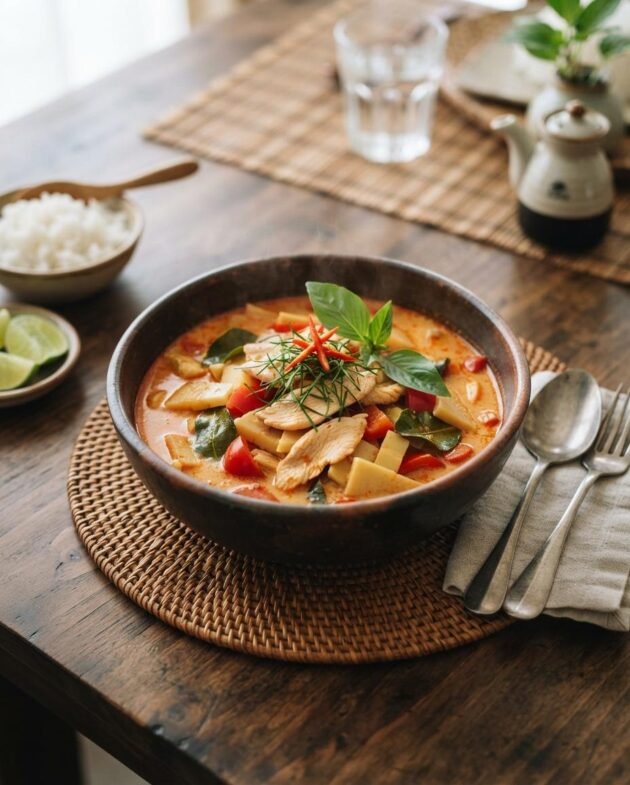
Heat the cooking oil in a large pot over medium heat. Add the julienned ginger first and stir for 1 minute until fragrant and lightly sizzling in the hot oil. Add the sliced onions and cook, stirring occasionally, for 3 minutes until softened and lightly translucent. Add the crushed garlic and stir for 1 minute until golden and aromatic. Add the chopped tomatoes to the pot — the tomatoes are a characteristic ingredient of sinampalukang manok that distinguishes it from plain sinigang, contributing a mild acidity and natural sweetness that enriches the tamarind broth with a rounded, complex sourness. Cook the tomatoes for 3 to 4 minutes, stirring and pressing them gently with the back of the spoon until they break down into a thick, pulpy consistency and their juices have fully released into the aromatic base.
- Step 3: Brown the Chicken
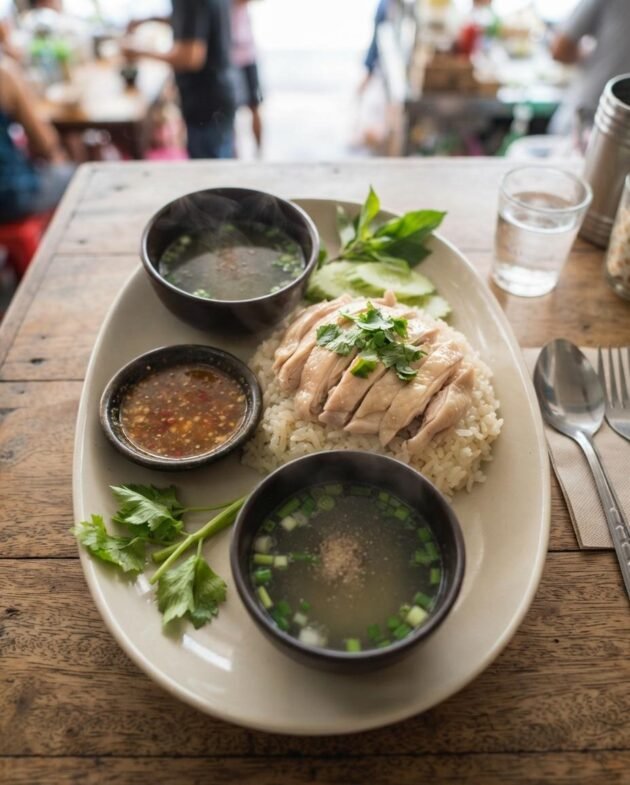
Increase the heat to medium-high and add the chicken pieces directly to the tomato-aromatic base. Season with fish sauce, tossing each piece to coat it thoroughly. Cook for 3 to 4 minutes, turning occasionally, until the chicken develops a light golden exterior and the fish sauce caramelizes slightly. The tomatoes at this stage will have further broken down and coated the chicken pieces with their pulp, creating a rich, tomato-infused aromatic base that distinguishes the flavor of sinampalukang manok from other Filipino sour soups. The combination of browned chicken, caramelized fish sauce, and cooked tomato creates a deeply savory, complex aromatic foundation on which the tamarind broth will build its bright, clean sourness in the next step.
- Step 4: Add Water and Tamarind
Pour in the water or light chicken broth and bring to a full boil over high heat, skimming off any foam that rises during the first few minutes of boiling for a cleaner, clearer broth. Once the liquid is boiling and foam-free, pour in the prepared tamarind liquid and stir to incorporate it evenly throughout the soup. The broth will immediately shift from pale and mild to a deep amber color with a pronounced, clean, bright sourness — the transformation is immediate and dramatic. Taste the broth for sourness at this point and adjust by adding more tamarind liquid if a sharper result is preferred. Reduce the heat to medium-low and allow the chicken to simmer partially covered for 20 to 25 minutes until fully tender.
- Step 5: Add the Vegetables
Once the chicken is fully cooked and tender, add the sliced radish (labanos) to the simmering broth first, as it takes longer to cook than the other vegetables — about 5 to 6 minutes at a gentle simmer. Radish is a beloved vegetable in Filipino sour soups, absorbing the tangy tamarind broth deeply and developing a satisfying mellow, slightly bitter flavor that complements the sourness beautifully. Add the sitaw (yard-long beans) pieces next and cook for 3 minutes until just tender but still retaining a pleasant snap. Taste the broth again and adjust the seasoning with fish sauce, salt, and black pepper. The broth should be pleasantly, assertively sour with a deep savory base from the chicken and fish sauce — bracing and clean on the palate.
- Step 6: Add Greens and Finish
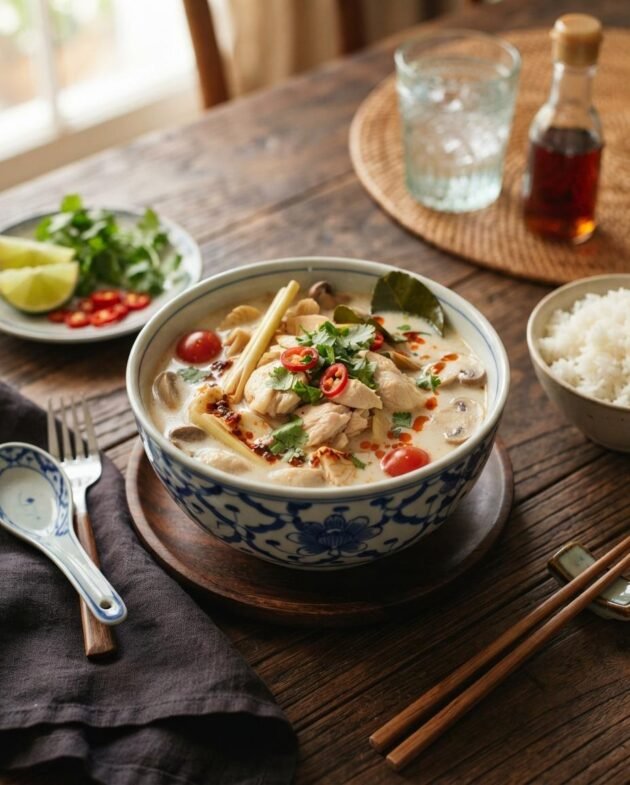
Add the kangkong leaves or spinach to the soup in the final 60 seconds of cooking, stirring gently until they just wilt and turn brilliantly green. Kangkong is the traditional green for sinampalukang manok — its slightly earthy, mildly bitter flavor provides an excellent counterpoint to the sharpness of the tamarind broth and the richness of the chicken. Remove from heat immediately after the greens wilt to prevent overcooking, which turns them dark and slightly bitter. Taste the finished soup one final time and make any final seasoning adjustments. Ladle generously into deep bowls, ensuring each bowl receives a good portion of chicken, all three types of vegetables, and plenty of the clear, bright amber tamarind broth. Serve immediately with steaming white rice.
- Calories:240 kcal12%
- Protein:26 g52%
- Carbohydrates:10 g3%
- Sugar:3 g3%
- Fat:11 g14%
Table of Contents
What Is Sinampalukang Manok?
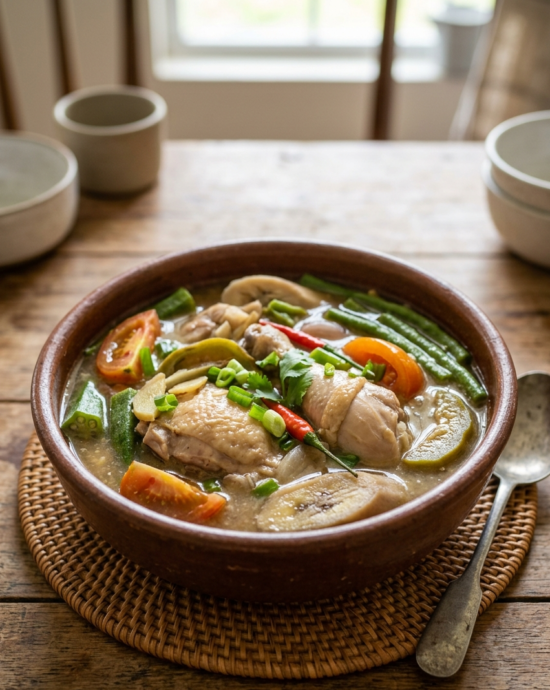
Sinampalukang manok is a Filipino sour chicken soup made by braising chicken with tamarind, ginger, tomatoes, and vegetables in a clear, sharply acidic broth — a deeply nourishing, clean-flavored dish that represents the Filipino palate’s enduring love for sour, bright, bracing soups. The name comes from sampalok, the Filipino word for tamarind — the fruit whose unique sour-fruity acidity has been central to Filipino cooking for centuries. The dish is closely related to sinigang, the Philippines’ most beloved sour soup, but sinampalukang manok is distinguished by the specific cooking technique of first sautéing the chicken with aromatics and tomatoes before adding the tamarind liquid, which produces a noticeably deeper, more complex, and more savory broth than standard sinigang.
The use of fresh tamarind (sampalok) rather than the tamarind powder or instant sinigang mixes that have largely replaced it in modern Filipino kitchens gives sinampalukang manok a cleaner, more aromatic sourness with a fruity complexity that packaged alternatives cannot replicate. Fresh tamarind’s acidity is bright and three-dimensional — simultaneously sour, faintly sweet, and deeply fruity in a way that instantly distinguishes it from artificial souring agents.
Sinampalukang manok holds a special place in Filipino home cooking as a comfort dish associated with rainy season meals, Sunday family lunches, and the quiet satisfactions of slow, careful home cooking. Its clear, golden-amber broth, visible vegetables, and fall-off-the-bone chicken make it as visually appealing as it is deeply satisfying. For anyone who loves the Filipino tradition of sour soups but wants to understand their deepest, most carefully made expression, sinampalukang manok is the essential recipe to master.
Ingredient Notes
- Fresh Tamarind Pods: Fresh tamarind produces a qualitatively different sourness from instant sinigang mix — fruitier, brighter, and more complex. Look for plump, firm pods with an unbroken outer shell; avoid pods that are cracked, moldy, or have a dusty, dried appearance indicating age. The flesh inside should be a deep, moist brown with a strongly sour, fruity aroma.
- Tomatoes: The addition of fresh tomatoes is the defining characteristic that distinguishes sinampalukang manok from standard sinigang. Sautéing the tomatoes until they break down creates a mildly sweet, complex aromatic base that enriches the tamarind broth and adds a rounded depth that plain water-and-tamarind broth lacks. Use ripe, red tomatoes for the best flavor.
- Ginger: Julienned ginger is a characteristic ingredient of sinampalukang manok that is less common in standard sinigang. Its warm, spicy heat adds an aromatic dimension to the sour broth that is particularly comforting and warming, making this soup a natural choice for cold or rainy days.
- Kangkong (Water Spinach): The traditional leafy green for sinampalukang manok, kongkong has a slightly earthy, hollow-stemmed texture that holds up better in hot broth than tender spinach. It is almost universally available in Philippine wet markets. Fresh kangkong should have bright green, unwilted leaves and firm, snap-able stems.
- Radish (Labanos): The mild, faintly peppery, and slightly bitter flavor of white radish pairs beautifully with tamarind’s sourness — the radish absorbs the broth deeply and develops a wonderfully mellow, complex flavor during cooking. Look for firm, dense radish with no soft spots; avoid large, overly mature radish, which can be unpleasantly pungent.
Ingredient Suggestions
- Tamarind leaves — Young, fresh sampalok leaves added with the kangkong at the very end of cooking add a subtly sour, herbaceous dimension that is a traditional Tagalog-province touch in sinampalukang manok.
- Eggplant (talong) — Sliced into thick rounds and added with the radish, eggplant absorbs the sour tamarind broth beautifully and becomes silky and deeply flavored.
- Green papaya — Wedges added during the braise provide a mild, slightly bitter counterpoint to the sourness and create a beautiful textural element in the finished soup.
- Siling haba (finger chilies) — Two or three whole finger chilies added during the simmer introduce a gentle, fragrant heat without making the soup aggressively spicy; they also contribute a slightly herbaceous note to the broth.
- Okra — Added in the final 5 minutes, okra’s natural thickening effect gently enriches the broth’s body while adding a mild flavor that blends seamlessly with the tamarind acidity.
Helpful Tips & Pro Tips
- Use fresh tamarind whenever possible. The difference between fresh tamarind broth and instant sinigang mix is dramatic — fresh tamarind produces a brighter, more complex, more fruity sourness that no packaged substitute can match. Fresh tamarind pods keep well at room temperature for weeks and in the refrigerator for months; buy them when available and store for future use.
- Sauté the tomatoes until fully broken down. The tomatoes must be cooked until they completely dissolve into the aromatic base — visible tomato chunks remaining in the broth indicate they haven’t released their full flavor potential. Press them firmly with the back of a spoon and cook until the pan is coated in a thick, pulpy tomato base before adding the chicken.
- Why is my sinampalukang manok broth not sour enough? Insufficient tamarind is the primary cause of a weak sour broth. Add more tamarind liquid gradually and taste after each addition — the sourness should be assertive and bracing, not timid. The broth of sinampalukang manok should make you pucker slightly and immediately reach for rice.
- Skim the broth after adding the water. Foam that rises during the initial boil makes the finished broth cloudy and slightly bitter. Skim diligently during the first 5 minutes of the full boil for a clear, beautiful, amber-gold broth.
- Add vegetables in order of cooking time. Radish takes the longest (6 minutes), sitaw takes medium (3 minutes), and kangkong takes the shortest (60 seconds). Adding all vegetables at once produces some that are overcooked and mushy while others remain undercooked. The sequential addition ensures every vegetable reaches perfect tenderness simultaneously.
How to Serve and Store
Serve sinampalukang manok immediately, piping hot, in deep bowls with generous amounts of broth, chicken, and all three vegetable types. The clean, sour broth is the star — ensure each bowl receives a generous amount. Serve with steaming white rice and offer extra fish sauce on the side for personal seasoning; a drizzle of fish sauce over the broth deepens the umami at the table. A small plate of salted egg and sliced tomatoes is a classic accompaniment.
Store leftover sinampalukang manok in an airtight container in the refrigerator for up to 3 days — the sour broth improves slightly overnight. Reheat gently on the stovetop over medium-low heat; avoid boiling, which dulls the tamarind’s bright sourness and turns the greens dark. Store the broth and solids together but remove the kangkong before refrigerating if possible, adding fresh greens when reheating. Do not freeze — the tamarind broth and vegetables degrade significantly upon thawing.
Substitutions
- Fresh tamarind → Tamarind paste (2 tbsp) — A widely available, convenient substitute; dissolve in warm water and strain before adding; adjust quantity to taste for the right sourness level.
- Kangkong → Spinach or bok choy — Both are mild, widely available substitutes; add in the final 60 seconds as kangkong to prevent overcooking.
- Sitaw → Green beans or snap peas — A budget-friendly substitute with a comparable texture and mild flavor; use the same quantity and cooking time.
- Fish sauce → Soy sauce — A gluten-free, equally salty substitute; use slightly less than the fish sauce quantity as soy sauce can be more assertive.
- Chicken → Bangus (milkfish) or pork ribs — Both are classic protein alternatives for sampalok-based sour soups in different Filipino regional traditions.
- Radish → Chayote (sayote) — A milder, slightly sweeter alternative with a similar firm texture that absorbs the sour broth beautifully.
Suggested Recipes
- Sinigang na Baboy — The pork version of the tamarind sour soup family; shares sinampalukang manok’s souring technique but uses different vegetables and a richer, fattier broth.
- Chicken Tinola — The clear-broth Filipino chicken soup that shares sinampalukang manok’s nourishing, home-cooking spirit; uses ginger-forward warmth rather than tamarind sourness.
- Paksiw na Manok — Another sour Filipino chicken dish, this time using vinegar as the souring agent rather than tamarind; a fascinating flavor comparison within the same sour-chicken tradition.
- Sinigang na Hipon — The shrimp version of Filipino tamarind sour soup; lighter and quicker to prepare, sharing the same clean, bracing tamarind broth character.
Frequently Asked Questions

Jeff Smith
"Cooking is the intersection of history, science, and emotion."
For me, the kitchen has always been a laboratory of culture. With a background deeply rooted in digital strategy and precision, I approach the culinary arts with the same rigor I apply to the digital landscape—analyzing flavors, perfecting techniques, and documenting the nuance that makes Filipino cuisine truly world-class.
Findme Recipe was born from a desire to bridge the gap between traditional heritage and the modern home cook. Whether it is mastering the perfect balance of acidity in a classic Adobo or simplifying complex regional dishes for everyday kitchens, my mission is to preserve our culinary identity through accessible, data-backed, and delicious content.
I am not just building a database; I am cultivating a community where every Filipino kitchen feels empowered, every ingredient is celebrated, and every family heirloom recipe finds a place to thrive.
Join me as we translate the soul of our islands into recipes for the next generation.