
- Step 1: Prepare the Fresh Ubod
Fresh ubod, the tender heart extracted from the core of a coconut palm, requires careful preparation before it can be used in the filling. If working with a whole fresh ubod, strip away the outer fibrous layers to reach the soft, cream-colored inner core. Julienne the ubod into thin, even matchstick strips approximately 2 inches long — uniformity ensures even cooking throughout. Once cut, immediately place the ubod strips in a bowl of lightly salted water and allow to soak for 10 minutes. This step reduces any slight bitterness inherent in the raw heart of palm while keeping the strips crisp and white. After soaking, drain thoroughly and pat dry with clean kitchen towels. If using canned ubod, drain well, rinse, and pat dry before use.
- Step 2: Cook the Crepe Wrappers
Whisk together the flour, eggs, water, salt, and oil until a thin, lump-free batter forms. Pass through a fine mesh strainer and allow to rest for 15 minutes to let any air bubbles dissipate and gluten relax. Heat a non-stick pan or crepe pan over medium-low heat and brush with a thin film of oil. Pour in approximately 3 tablespoons of batter and immediately swirl the pan to create a thin, even circle roughly 9 inches in diameter. Cook for about 90 seconds until the edges lift away from the pan and the surface appears dry and set. Flip carefully and cook the second side for just 15 seconds. Stack finished crepes with parchment between each layer to prevent sticking. This recipe yields approximately 10–12 wrappers. Keep covered with a damp cloth to maintain pliability.
- Step 3: Sauté the Pork and Aromatics
Heat cooking oil in a wide pan or wok over medium-high heat. Add the minced garlic and stir-fry for 30 seconds until fragrant and just beginning to color. Add the diced onion and continue cooking for 2 minutes until softened and translucent. Add the thinly sliced pork and cook for 4–5 minutes, turning occasionally, until the meat is fully cooked through and shows light browning on the edges. The rendering pork fat will enrich the base of the filling and provide depth of flavor that balances the delicate sweetness of the ubod. Season lightly with fish sauce at this stage. Do not over-season yet — the final seasoning will be done after all ingredients are combined to account for the accumulated saltiness of each component.
- Step 4: Add the Shrimp and Ubod
Push the cooked pork to the sides of the wok and add the shrimp to the center over high heat. Cook the shrimp for 1–2 minutes per side until pink and just cooked through — avoid overcooking, as rubbery shrimp will compromise the elegant texture of the finished roll. Fold the shrimp into the pork. Add the drained and dried ubod strips and toss everything together gently over high heat for 3–4 minutes. The ubod should soften slightly and absorb the aromatics while retaining a slight bite and its characteristic creamy-white color. Avoid overcooking the ubod — it should remain tender-crisp, not mushy. Taste and adjust seasoning with fish sauce, salt, and a turn of freshly ground white pepper. Remove from heat and drain in a colander.
- Step 5: Make the Sweet Garlic Sauce
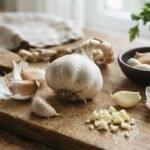
In a small saucepan over medium heat, combine the soy sauce, brown sugar, and water. Stir until the sugar fully dissolves and the mixture comes to a gentle simmer. Add the finely ground toasted peanuts and stir well to incorporate — the peanuts will thicken the sauce and add a rich, nutty flavor that complements the delicate ubod perfectly. Slowly drizzle in the cornstarch slurry while stirring constantly over low heat. Continue stirring for 3–4 minutes until the sauce turns glossy, translucent, and thick enough to coat the back of a spoon. Remove from heat and stir in the minced toasted garlic. The finished sauce should be sweet, savory, garlicky, and smooth. Adjust sweetness and saltiness to preference before serving.
- Step 6: Assemble and Garnish the Rolls
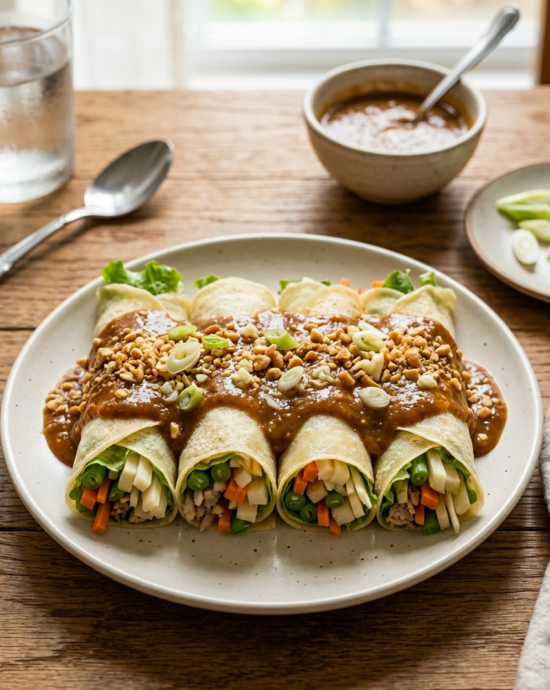
Lay a crepe flat on a clean board or plate. Place a fresh lettuce leaf in the center to act as a moisture barrier. Spoon approximately 3–4 tablespoons of the well-drained ubod filling in a neat log shape across the center of the lettuce, being careful not to overfill. Fold the lower edge of the crepe up over the filling, fold in both sides tightly, and roll forward to enclose. Place seam-side down on the serving platter. Repeat with remaining wrappers and filling. To serve, arrange all rolls on the platter and spoon the warm sweet garlic sauce generously over the top. Finish with a scattering of crushed toasted peanuts and a pinch of minced toasted garlic over each roll. Serve immediately while warm for the best experience.
- Calories:220 kcal11%
- Protein:12 g24%
- Carbohydrates:22 g8%
- Sugar:9 g10%
- Fat:10 g13%
Table of Contents
What Is Lumpiang Ubod?
Lumpiang ubod is a prestigious Filipino fresh spring roll dish made with a thin soft crepe wrapper filled primarily with ubod — the tender, ivory-white heart of the coconut palm — combined with pork, shrimp, and aromatics, served with a glossy sweet garlic peanut sauce. Among all the lumpia varieties in Filipino cuisine, lumpiang ubod is considered one of the most special and refined, often reserved for fiestas, family celebrations, and occasions where a cook wants to impress. The ingredient that defines it — ubod, or coconut heart — is a delicacy in itself: harvested from the very center of a coconut palm, it is tender, slightly sweet, and carries a uniquely clean, mild flavor that no other vegetable can replicate.
The dish is particularly associated with the Tagalog regions and urban Filipino cuisine, where it appears prominently during patronal feasts and holiday gatherings. Lumpiang ubod predates many modern Filipino dishes and reflects a time when coconut palms were the central provider of food, materials, and livelihood for island communities. Using the heart of the palm — the most precious and tender part of the tree — in a celebratory dish was a sign of abundance and hospitality.
The flavor profile of lumpiang ubod is elegantly balanced: the natural sweetness of the ubod meets the savory richness of pork and shrimp, all wrapped in a paper-thin crepe and unified by the deeply aromatic sweet garlic sauce. The peanut sauce adds body, depth, and the familiar sweetness that Filipinos love. Together, these elements create a dish that is simultaneously delicate and deeply satisfying — a true showcase of Filipino culinary artistry at its most celebratory and refined.
Ingredient Notes
- Fresh Ubod (Heart of Palm): The star ingredient. Fresh ubod found in Philippine markets is superior to canned in texture and flavor. Look for creamy-white hearts with no discoloration or sour smell. Fresh ubod has a natural mild sweetness that canned varieties cannot fully match.
- Pork Shoulder: Choose pork shoulder with visible marbling for the juiciest result. Thinly slice against the grain for tenderness. The fat content of shoulder ensures the pork stays moist even after stir-frying.
- Cornstarch: Essential for the thick, glossy consistency of the garlic peanut sauce. Dissolve fully in cold water before adding to prevent lumping. The sauce should be pourable but thick enough to coat each roll generously.
- Fish Sauce (Patis): Season the filling with restraint — the natural sweetness of ubod is a highlight that can be overwhelmed by too much salt. Taste constantly and season gradually.
Ingredient Suggestions
- Chorizo de Bilbao: Thin slices of Spanish chorizo added to the filling introduce a smoky, paprika-rich depth that transforms lumpiang ubod into an even more luxurious celebration dish.
- Shredded Cooked Crab Meat: Adding crab meat elevates the filling into a seafood-forward luxury version ideal for special dinners and holiday entertaining.
- Calamansi Juice in the Sauce: A teaspoon of fresh calamansi juice stirred into the peanut sauce brightens the sweetness and adds a distinctly Filipino citrus note.
- Crispy Fried Garlic Topping: Double up on the garlic by topping finished rolls with both minced toasted garlic and crispy fried garlic chips for maximum aroma and crunch.
Helpful Tips & Pro Tips
- Source fresh ubod over canned whenever possible. Fresh coconut heart has a texture and sweetness that makes a significant difference in the final dish. If using canned, rinse thoroughly and soak briefly in fresh water to remove the brine taste.
- Why is my peanut sauce grainy? Grainy sauce typically means the peanuts were not ground finely enough or were added before the sugar fully dissolved. For the smoothest sauce, grind peanuts in a food processor to near-powder consistency and add only after the sugar has fully dissolved.
- Drain the filling vigorously. Ubod releases moisture as it cooks. Too much liquid in the filling will make the crepes soggy within minutes. Allow the filling to drain in a colander for at least 5–8 minutes before assembling.
- Handle the crepe wrappers gently. Lumpiang ubod crepes are thinner and more delicate than standard wrappers. Use a wide, thin spatula to flip them and avoid gripping the edges, which can tear the delicate dough.
How to Serve and Store
Serve lumpiang ubod immediately after assembly, arranged seam-side down on a platter. Spoon warm peanut sauce over each roll and garnish with crushed peanuts and toasted garlic. The dish is best consumed within 15–20 minutes of final assembly, as the sauce softens the crepe wrapper progressively. For large gatherings, serve the filling, sauce, and crepes separately and let guests assemble their own rolls. Store unassembled components separately in airtight containers: filling refrigerated for up to 3 days, crepes layered with parchment for 2 days, sauce refrigerated for up to 5 days. Reheat the filling in a hot pan for 2 minutes and thin the sauce with a splash of water over low heat before serving. Do not freeze assembled rolls.
Substitutions
- Fresh Ubod → Canned Heart of Palm: Drain, rinse, and pat dry canned heart of palm thoroughly to remove brine. The texture is slightly softer than fresh but acceptable for most preparations.
- Pork → Chicken Breast: Thinly sliced chicken breast is an excellent substitute that keeps the filling light. Cook until just done to avoid dryness.
- All-Purpose Flour → Rice Flour: For gluten-free crepe wrappers, substitute rice flour in equal measure. Handle with extra care as rice flour crepes are more fragile.
- Ground Peanuts → Ground Cashews: For a peanut-free sauce, ground roasted cashews create a remarkably similar glossy, creamy sauce with a slightly sweeter, milder flavor profile.
- Fish Sauce → Soy Sauce + Vinegar: Replace fish sauce with an equal amount of soy sauce plus a few drops of white vinegar for a vegetarian-friendly seasoning option.
Suggested Recipes
- Lumpiang Sariwa: The everyday fresh spring roll version using more accessible vegetables, perfect for when ubod is not available but the craving for fresh lumpia remains.
- Ginataang Ubod: A coconut milk-based preparation using the same heart of palm, showcasing ubod in a rich, creamy sauce form distinct from the stir-fried treatment in lumpiang ubod.
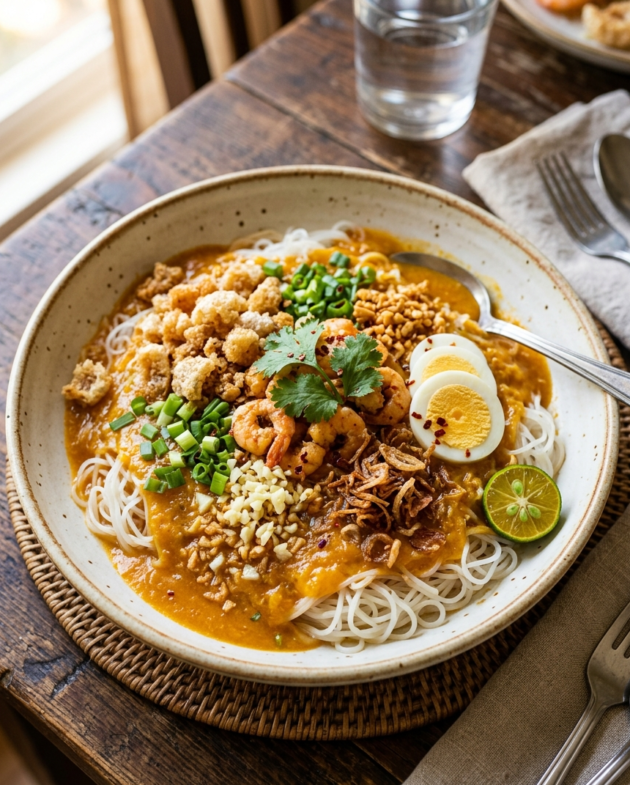
- Pancit Malabon: A luxurious rice noodle dish featuring shrimp, squid, and heart of palm among its toppings, perfect for celebrating the same premium ingredient.
- Lumpiang Hubad: The wrapper-free version using similar fillings, a practical alternative for large-scale serving when wrapping individual rolls is not feasible.
Frequently Asked Questions

Jeff Smith
"Cooking is the intersection of history, science, and emotion."
For me, the kitchen has always been a laboratory of culture. With a background deeply rooted in digital strategy and precision, I approach the culinary arts with the same rigor I apply to the digital landscape—analyzing flavors, perfecting techniques, and documenting the nuance that makes Filipino cuisine truly world-class.
Findme Recipe was born from a desire to bridge the gap between traditional heritage and the modern home cook. Whether it is mastering the perfect balance of acidity in a classic Adobo or simplifying complex regional dishes for everyday kitchens, my mission is to preserve our culinary identity through accessible, data-backed, and delicious content.
I am not just building a database; I am cultivating a community where every Filipino kitchen feels empowered, every ingredient is celebrated, and every family heirloom recipe finds a place to thrive.
Join me as we translate the soul of our islands into recipes for the next generation.