
- Step 1: Prepare and Pre-Cook the Goat Meat
Begin by selecting young, fresh goat meat — ideally from the shoulder or leg — and trimming away any excess fat and sinew using a sharp boning knife. Cut the meat into small, uniform cubes of roughly one to one-and-a-half inches to ensure even cooking and consistent marination. Since traditional raw kilawin can carry food safety risks, the modern and most widely practiced Filipino approach is to briefly parboil the meat first. Place the cubed goat pieces in a pot, cover with lightly salted water, and bring to a boil. Cook for ten to twelve minutes until the meat turns opaque and is just cooked through but remains tender and slightly firm to the bite. Drain immediately and rinse under cold water to stop the cooking process and cool the meat before proceeding to the marination stage.
- Step 2: Create the Acidic Marinade
The soul of any kilawin lies in its marinade, and getting this step right is essential to the dish's bright, complex flavor. In a large non-reactive bowl, combine the cane vinegar and freshly squeezed calamansi juice, whisking them together until blended. Cane vinegar, particularly the prized sukang iloco from Ilocos Norte, provides a clean, sharp acidity with subtle sweetness that is distinctly Filipino. The calamansi adds a citrusy brightness that no other citrus can quite replicate. Stir in the minced garlic, julienned ginger, finely chopped siling labuyo chilies, thinly sliced lemongrass, and fish sauce. Taste the marinade at this stage: it should be boldly sour with a pleasant heat from the chili and an aromatic, herbal undertone from the ginger and lemongrass. Adjust the fish sauce for saltiness and add sugar if the acidity feels too sharp for your palate.
- Step 3: Marinate the Meat
Add the cooled, parboiled goat meat to the prepared marinade, tossing thoroughly until every piece is generously coated. Fold in the finely chopped onion, which will soften slightly in the acid and release its sharp bite into the marinade. Cover the bowl tightly with plastic wrap or transfer everything to a sealable container and refrigerate for a minimum of one hour, though two hours will yield a noticeably more flavorful result as the acid fully penetrates the meat cubes. During this time, the vinegar continues to gently cure the protein, slightly firming the exterior while keeping the interior tender and juicy. Stir the mixture once halfway through the marinating period to ensure even coating. The color of the meat will shift from pale to a slightly whitened, opaque hue as the acid works its way through the protein fibers.
- Step 4: Add the Fresh Vegetables
Once the marinating time is complete, remove the bowl from the refrigerator and allow it to sit at room temperature for ten minutes to take the chill off before serving. At this stage, fold in the diced cucumber, which adds a cool, refreshing crunch that contrasts beautifully with the soft, acidic meat and the heat of the chilies. The cucumber should be added at this late stage rather than during marination to preserve its crisp texture; adding it earlier would cause it to become waterlogged and limp. If you prefer additional texture, you may also fold in finely sliced fresh white or red onion rings at this point. Taste the mixture again and make any final seasoning adjustments — more calamansi for brightness, more fish sauce for saltiness, or more chili for heat. Every component should be in vibrant, harmonious balance.
- Step 5: Serve and Garnish
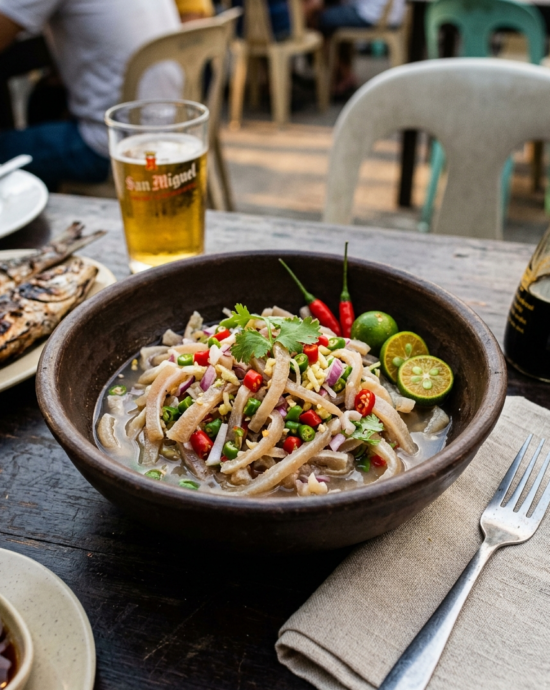
Kilawin na Kambing is best served immediately after the final seasoning adjustments while it is still cold and vibrantly fresh. Transfer the dressed kilawin to a wide, shallow serving platter or individual bowls to showcase the colorful medley of ingredients. Scatter freshly chopped cilantro or thinly sliced green onions generously over the top for a bright, herbaceous finish that lifts the entire dish visually and aromatically. If desired, arrange thin slices of fresh siling labuyo or red bird's eye chili on top for a bold garnish that also signals the spice level to your guests. Serve alongside crispy chicharon, fried camote chips, or cold rice beer for the full authentic Ilocano or Cordilleran experience. This dish is the life of any pulutan spread and pairs brilliantly as a starter before a heavier main course.
- Calories:220 kcal11%
- Protein:26 g52%
- Carbohydrates:5 g2%
- Sugar:2 g2%
- Fat:9 g12%
- Energy:920 kJ11%
Table of Contents
What Is Kilawin na Kambing?
Kilawin na Kambing is a Filipino ceviche-style dish of goat meat cured in cane vinegar and calamansi juice, seasoned with ginger, garlic, chilies, and lemongrass to produce a bright, bracingly sour, and deeply aromatic appetizer that is beloved across Northern and Central Luzon. The word kilawin derives from the Tagalog root kilaw, meaning to eat raw or to cook in vinegar, and the technique shares ancestral DNA with the Latin American ceviche and the Peruvian tiradito, reflecting a universal human discovery that acid can transform raw or lightly cooked protein into a delicacy. Historically, kilawin was a pre-colonial preparation eaten by indigenous Filipinos long before Spanish contact, using locally fermented coconut or palm vinegars to cure freshly slaughtered game meat. Goat, or kambing, was a prized livestock animal in the mountainous regions of the Cordillera and Ilocos, making Kilawin na Kambing an integral part of the culinary traditions of the Ilocano, Kankanaey, and Igorot peoples. Today, the dish is a staple of the Filipino pulutan culture — the art of pairing bold, flavorful small plates with alcoholic beverages like basi (sugarcane wine), lambanog, or ice-cold beer. Its flavor profile is a masterclass in contrast: sharp and sour from the vinegar and calamansi, warm and earthy from the ginger and garlic, fiery from the bird’s eye chili, and clean and refreshing from the cucumber. Best served cold, Kilawin na Kambing is as much a social experience as it is a culinary one.
Ingredient Notes
- Young Goat Meat (Batang Kambing) Young goat, ideally under one year old, has significantly more tender and milder-tasting flesh than mature goat. Look for pale pink meat with minimal fat marbling and very little odor. The shoulder and leg are the preferred cuts due to their ratio of lean meat to connective tissue.
- Sukang Iloco (Cane Vinegar) This artisanal sugarcane vinegar from Ilocos Norte is the gold standard for kilawin. Its slightly sweet, mellow acidity creates a more nuanced base than harsh distilled white vinegar. Datu Puti cane vinegar is a widely available substitute that performs well.
- Calamansi Fresh calamansi provides an irreplaceable bright citrus note that is simultaneously sour, slightly sweet, and floral. Bottled calamansi juice can be used in a pinch, but fresh-squeezed delivers superior flavor. Lime juice is the closest alternative.
- Lemongrass (Tanglad) Use only the tender white inner stalks, sliced paper-thin. Lemongrass provides an aromatic citrus-herbal note that elevates the entire marinade. Bruise the stalk slightly before slicing to help release its essential oils.
Ingredient Suggestions
- Radish (Labanos): Thinly slice and add to the marinating mixture for a peppery crunch and additional textural contrast.
- Green Mango: Julienned green mango adds tartness and crunch that beautifully complements the vinegar base.
- Toasted Sesame Seeds: Sprinkle over the finished dish for a nutty aroma and subtle richness.
- Coconut Cream: Add a tablespoon of thick coconut cream to the marinade for a richer, island-style version popular in Mindanao.
Helpful Tips & Pro Tips
- Always Parboil for Food Safety: While traditional kilawin uses raw meat cured purely in vinegar, parboiling first is strongly recommended for modern kitchens. Ten minutes in salted boiling water fully cooks the interior while the exterior retains a pleasant firmness that absorbs the marinade beautifully.
- Why Is My Kilawin Too Sour or Too Bland? Balance is everything in kilawin. If the dish tastes too sharp, add a pinch of sugar or a tiny splash of coconut cream to round out the acidity. If it tastes flat, it likely needs more fish sauce and fresh calamansi juice added right before serving.
- Use a Non-Reactive Bowl: Always marinate in glass, ceramic, or stainless steel bowls. Aluminum and reactive metals interact with the acid and impart a metallic off-flavor that ruins the dish.
- Serve Immediately After Final Seasoning: Kilawin is a dish that peaks within the first hour of final preparation. The cucumber loses its crunch and the fresh aromatics lose their vibrancy if the finished dish sits too long. Mix the final ingredients just before serving for the best experience.
- Chill Your Serving Bowl: Place your serving platter or bowls in the refrigerator for 15 minutes before plating. A cold bowl keeps the kilawin refreshingly crisp and cool throughout the entire meal.
How to Serve and Store
Kilawin na Kambing is best served immediately after final assembly, ice-cold on a chilled plate, and consumed within the same meal. As a pulutan, it belongs at the center of a communal table alongside crispy chicharon, fresh tomatoes, and cold drinks. If you need to prepare it ahead, complete the marination but hold off on adding the cucumber and fresh garnishes until just before serving. The marinated meat base can be refrigerated in an airtight container for up to 1 day. Once the cucumber and herbs are added, the dish should be consumed within 2–3 hours for the best texture and flavor. Do not freeze kilawin, as the acid-marinated meat becomes mushy upon thawing and the fresh vegetables deteriorate completely.
Substitutions
- Goat Meat → Pork Ears and Cheeks (Traditional Kilawin): Blanched pork offal offers a similarly firm, chewy texture and is widely used in lowland Filipino versions.
- Cane Vinegar → Coconut Vinegar or Rice Vinegar: Both provide a mellow, slightly sweet acidity that works well in kilawin without overpowering the aromatics.
- Calamansi → Key Lime Juice: A 1:1 substitution that captures the tartness, though it lacks calamansi’s unique floral undertone.
- Fish Sauce (Gluten-Free) → Coconut Aminos + Pinch of Salt: For those avoiding fish products, this swap maintains the umami depth.
- Siling Labuyo → Serrano Pepper: A widely available substitute with comparable heat level and clean pepper flavor.
- Fresh Ginger → Ground Ginger (Emergency Substitute): Use 1/4 tsp ground ginger per thumb-sized piece, though fresh is strongly preferred for its bright, zesty character.
Suggested Recipes
- Kalderetang Kambing: A slow-braised, richly sauced goat stew that makes a hearty main course following a light kilawin starter.
- Papaitan Kambing: The bold, bitter Ilocano goat bile stew that shares kilawin’s Northern Luzon roots and adventurous spirit.
- Kare-Kare ng Kambing: Goat meat in a rich peanut-based stew; the creamy, nutty flavors offer a beautiful contrast to the sharp, acidic kilawin.
- Beef Kinilaw: A coastal variation of kilawin using fresh beef tenderloin cured in vinegar and spiced with ginger and onion.
Frequently Asked Questions

Jeff Smith
"Cooking is the intersection of history, science, and emotion."
For me, the kitchen has always been a laboratory of culture. With a background deeply rooted in digital strategy and precision, I approach the culinary arts with the same rigor I apply to the digital landscape—analyzing flavors, perfecting techniques, and documenting the nuance that makes Filipino cuisine truly world-class.
Findme Recipe was born from a desire to bridge the gap between traditional heritage and the modern home cook. Whether it is mastering the perfect balance of acidity in a classic Adobo or simplifying complex regional dishes for everyday kitchens, my mission is to preserve our culinary identity through accessible, data-backed, and delicious content.
I am not just building a database; I am cultivating a community where every Filipino kitchen feels empowered, every ingredient is celebrated, and every family heirloom recipe finds a place to thrive.
Join me as we translate the soul of our islands into recipes for the next generation.