
- Step 1: Render the Pork Belly
Place the diced pork belly in a cold pan over medium heat. Starting the pork in a cold pan allows the fat to render out slowly and evenly, producing crispy, golden bits of pork without burning the exterior. Cook for eight to ten minutes, stirring occasionally, until the pork is deeply golden and its fat has mostly rendered. Use a slotted spoon to remove the crispy pork and set aside, leaving the rendered fat in the pan. This pork fat is liquid gold for flavoring bagoong rice — it carries a rich, savory depth that cooking oil simply cannot replicate. If the pork releases very little fat (this happens with leaner cuts), add one tablespoon of butter to the pan to supplement. Season the pork lightly with a pinch of black pepper after removing from the pan.
- Step 2: Sauté the Aromatics and Bagoong
In the same pan with the rendered pork fat, add the minced garlic over medium heat and cook until lightly golden and fragrant, about one minute. Add the diced onions and cook until soft and translucent. Now add the bagoong alamang to the pan — it will sizzle and pop, so step back slightly to avoid splattering. Cook the bagoong with the aromatics for three to four minutes, stirring constantly, until its raw, pungent aroma mellows into something rich and deeply savory. Add the sugar to the bagoong and stir well — this tiny addition dramatically balances the intense saltiness and fermented sharpness of the shrimp paste, creating a harmonious sautéed bagoong that serves as the flavor backbone of the entire dish. Add sliced chili here if using.
- Step 3: Scramble the Eggs Into the Rice
Push the sautéed bagoong mixture to one side of the pan. Add the butter to the empty side and let it melt and foam slightly. Pour the beaten eggs directly into the butter and let them sit undisturbed for thirty seconds until the edges begin to set. Using a spatula, gently fold and scramble the eggs just until they form large, soft curds — do not overcook them to dryness at this stage. The eggs should still look slightly wet when you add the rice on top. Break up any remaining large egg curds and mix them roughly into the bagoong mixture in the pan. This method of scrambling directly in the pan before adding the rice produces more evenly distributed egg throughout the finished dish rather than mixing raw eggs with hot rice, which can make the rice heavy and clumped.
- Step 4: Fry the Rice
Add the day-old cooked rice directly to the pan, breaking up any large clumps with a spatula or the back of a spoon before it hits the hot surface. Day-old rice is drier and separates more easily than freshly cooked rice, which tends to clump into sticky masses when stir-fried. Toss and fold the rice with the bagoong mixture using broad, sweeping motions, coating every grain with the flavored oil and shrimp paste. Increase the heat to medium-high and press the rice against the pan surface in sections, allowing it to toast slightly against the hot surface for thirty to forty-five seconds before tossing again. This occasional pressing and toasting creates delightful crispy grains throughout the rice. Continue cooking and tossing for five to six minutes until the rice is evenly coated and heated through.
- Step 5: Add the Crispy Pork and Adjust Seasoning
Return the crispy pork belly bits to the pan and toss them into the rice. The rendered pork adds both protein and contrasting texture — their crispy exterior soaks up a little of the flavorful bagoong oil while still maintaining their satisfying crunch. Taste the rice carefully at this point. Bagoong alamang is already very salty, so you will almost certainly not need to add additional salt. However, if the dish tastes flat, add a small drizzle of fish sauce (patis) rather than table salt, as fish sauce adds saltiness along with umami depth. If it tastes too salty, a squeeze of fresh calamansi or a small spoonful of additional sugar helps balance the intensity. Adjust the heat level by adding more sliced chili or removing it entirely depending on personal preference.
- Step 6: Garnish and Serve with Fresh Mango
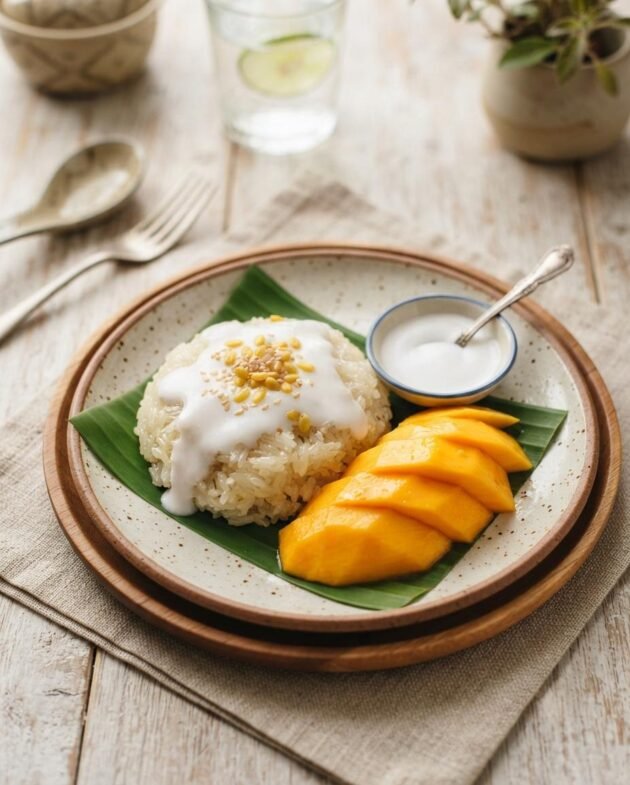
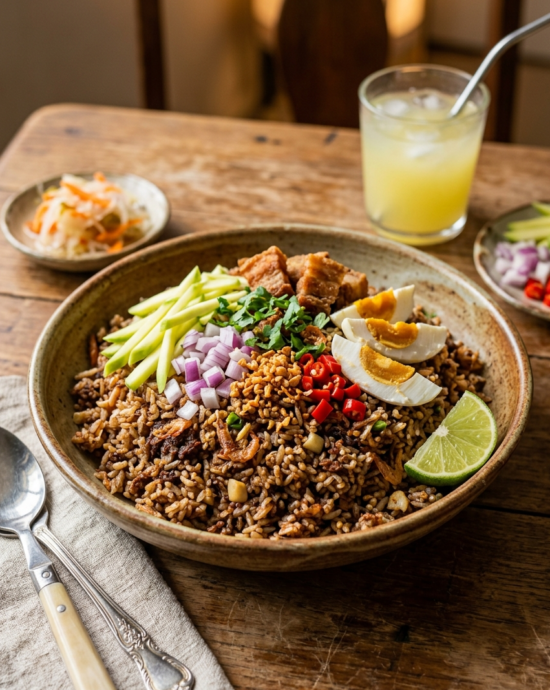
Transfer the finished bagoong rice to serving bowls or a large platter. Scatter sliced spring onions generously over the top for freshness and color. The pairing of bagoong rice with fresh ripe mango is not optional — it is absolutely essential. The sweet, slightly tart tropical mango acts as a natural counterpoint to the intensely salty, savory shrimp paste, cleansing the palate between bites and creating one of the most iconic flavor combinations in Filipino cuisine. Arrange the diced mango alongside the rice or place it directly on top for an attractive presentation. A wedge of fresh calamansi on the side adds a citrusy brightness that complements both the mango and the bagoong. Serve immediately while the rice is hot and the pork remains crispy.
- Calories:420 kcal21%
- Protein:18 g36%
- Carbohydrates:55 g18%
- Sugar:6 g7%
- Fat:14 g18%
Table of Contents
What Is Bagoong Rice?
Bagoong rice is a Filipino fried rice dish built around bagoong alamang — fermented shrimp paste — one of the most pungent, complex, and beloved condiments in Philippine culinary culture. At its core, bagoong rice is a celebration of bold, unapologetic flavor: intensely salty, deeply savory, slightly funky from fermentation, and irresistibly aromatic when hit with heat. The dish is most famously paired with fresh ripe mango, an iconic Filipino combination that balances the saltiness of the shrimp paste with the sweet, tropical brightness of the fruit. Bagoong has been a staple of Filipino cooking for centuries, with origins in pre-colonial preservation techniques developed along the archipelago’s extensive coastline. The term alamang refers specifically to tiny krill or shrimp fermented with salt, producing a paste that ranges from pink to reddish-brown depending on its age and preparation. In the Visayas and Mindanao, bagoong is often sweeter and less pungent, while Luzon versions tend to be saltier and more intensely fermented. Sautéed bagoong — cooked with garlic, onions, pork fat, and a pinch of sugar — transforms the raw paste into something more nuanced and approachable for those new to the flavor. The rice version of this dish is commonly served at Filipino restaurants alongside kare-kare (oxtail stew) or as a standalone fried rice meal. Its growing popularity outside the Philippines has introduced international food lovers to the world of fermented Filipino condiments and the extraordinary complexity they bring to simple rice dishes. Bagoong rice is comfort food at its most intensely flavored best.
Ingredient Notes
- Bagoong Alamang: Bagoong alamang is the fermented shrimp paste that defines this dish entirely — choose the sautéed (ginisang) variety for a more balanced flavor, or raw bagoong for a more pungent, intense result. The best bagoong has a deep pink-to-red color, a pleasant briney aroma, and a smooth, slightly chunky texture without excessive liquid.
- Day-Old Rice: Day-old rice is essential for achieving the proper dry, separated texture needed for good fried rice. Freshly cooked rice contains too much moisture and will clump together and steam rather than fry, producing heavy, gummy bagoong rice. Spread cooked rice on a tray and refrigerate uncovered overnight for best results.
- Pork Belly: Pork belly provides both fat for frying and crispy, meaty bits that add texture and richness to the rice. Select pork belly with an even fat-to-meat ratio for the best rendering results — too lean and there will be insufficient fat; too fatty and the rice may become greasy.
Ingredient Suggestions
- Garlic Chips — Deep-fry thin garlic slices until golden and crispy and scatter over the finished rice for an aromatic, crunchy garnish.
- Salted Egg — Slice a salted duck egg (itlog na maalat) over the rice for an extra hit of salty, creamy richness that complements the bagoong.
- Green Mango — Use slightly unripe green mango for a tangier, more acidic contrast that cuts through the richness even more effectively than ripe mango.
- Crispy Tofu — Replace the pork with pan-fried firm tofu for a protein-rich vegetarian version that still delivers satisfying texture.
Helpful Tips & Pro Tips
- Never skip sautéing the bagoong before adding it to the rice. Raw bagoong has a harsh, very sharp fermented smell that mellows significantly once cooked in fat with aromatics and a pinch of sugar. Sautéed bagoong has a sweeter, more complex flavor that integrates far better into the finished dish.
- Use a wok or the largest, most conductive pan you own for bagoong rice. The high heat and large surface area of a wok allow moisture to evaporate rapidly, producing the dry, slightly toasted texture that makes great fried rice rather than steamed, clumpy rice.
- Start with less bagoong than you think you need — you can always add more, but you cannot remove it. The saltiness of bagoong varies significantly between brands and batches, so taste as you go and build the flavor gradually.
- Why does my bagoong rice smell too strong? Overcooking or burning the bagoong causes its fermented compounds to intensify rather than mellow. Keep the heat at medium when sautéing the bagoong and stir constantly to prevent scorching. Adding sugar immediately helps neutralize excess pungency.
How to Serve and Store
Serve bagoong rice immediately while hot, always alongside fresh ripe mango as the essential counterpoint to the salty shrimp paste. The classic presentation is a mound of rice topped with crispy pork bits and spring onions, with diced mango arranged beside it. Bagoong rice is traditionally served as a main meal rather than a side dish. Store leftovers in an airtight container for up to two days in the refrigerator — the flavors deepen and the bagoong mellows further overnight. Reheat in a pan over medium heat with a tiny splash of oil to re-crisp the rice. Do not freeze bagoong rice as the texture deteriorates significantly upon thawing.
Substitutions
- Bagoong alamang → Miso paste — Mix one tablespoon of dark miso with one tablespoon of fish sauce for a fermented umami substitute without the shrimp flavor.
- Pork belly → Turkey bacon (lighter option) — Provides a similar smoky, meaty note with less fat for a lighter version of the dish.
- White rice → Brown rice (healthier option) — Brown rice adds a nutty flavor and more fiber; ensure it is thoroughly chilled before frying.
- Eggs → Silken tofu scramble (vegan) — Crumble silken tofu into the pan with turmeric for a plant-based egg substitute with similar texture.
- Sugar → Coconut sugar — Adds a slight caramel undertone that complements the tropical character of bagoong rice beautifully.
- Fresh mango → Pickled green papaya — Atchara (pickled green papaya) provides a similar sweet-tart contrast when fresh mango is unavailable.
Suggested Recipes
- Kare-Kare — The classic Filipino pairing: oxtail peanut stew always served with sautéed bagoong on the side.
- Sinangag (Garlic Fried Rice) — A simpler fried rice that uses the same day-old rice technique for a lighter garlic-forward breakfast.
- Pork Sisig — Another intensely flavored Filipino pork dish that shares the same bold, unapologetic flavor DNA.
- Inihaw na Liempo (Grilled Pork Belly) — Grilled belly served alongside bagoong rice creates a satisfying Filipino barbecue meal.
Frequently Asked Questions

Jeff Smith
"Cooking is the intersection of history, science, and emotion."
For me, the kitchen has always been a laboratory of culture. With a background deeply rooted in digital strategy and precision, I approach the culinary arts with the same rigor I apply to the digital landscape—analyzing flavors, perfecting techniques, and documenting the nuance that makes Filipino cuisine truly world-class.
Findme Recipe was born from a desire to bridge the gap between traditional heritage and the modern home cook. Whether it is mastering the perfect balance of acidity in a classic Adobo or simplifying complex regional dishes for everyday kitchens, my mission is to preserve our culinary identity through accessible, data-backed, and delicious content.
I am not just building a database; I am cultivating a community where every Filipino kitchen feels empowered, every ingredient is celebrated, and every family heirloom recipe finds a place to thrive.
Join me as we translate the soul of our islands into recipes for the next generation.