
- Step 1: Toast the Rice for Depth of Flavor
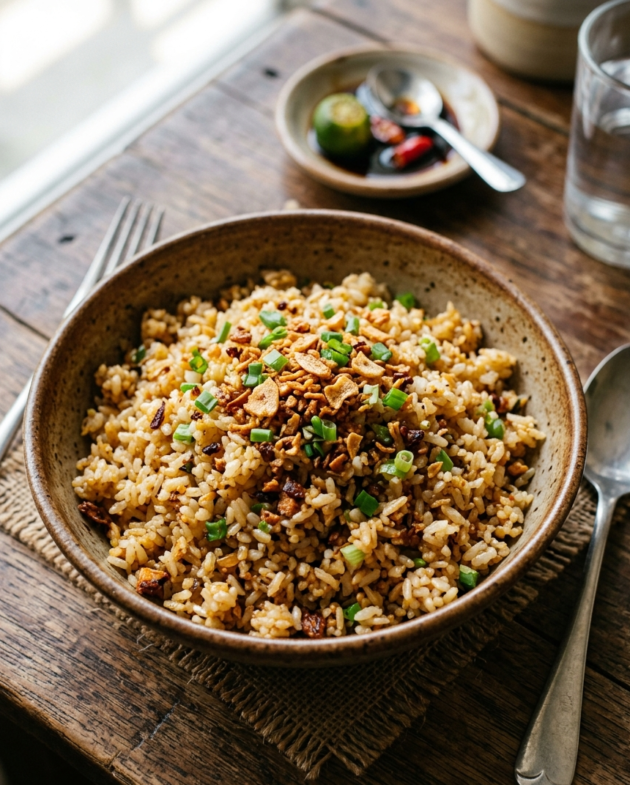
This first step separates a great lugaw from a merely adequate one. Place the uncooked white rice in a dry skillet over medium heat and toast, stirring frequently, for three to four minutes until the grains turn slightly golden and emit a nutty, popcorn-like fragrance. This dry-toasting technique, sometimes called 'pre-toasting the rice,' develops complex flavor compounds through the Maillard reaction on the dry grain surfaces, resulting in a lugaw with more depth and nuttiness than one made with untoasted rice. Watch the rice carefully during toasting as it can go from golden to burnt quickly — the moment you see the first grains beginning to color and smell the nutty aroma, it is ready. Transfer the toasted rice immediately to the cooking pot to stop the cooking and prevent the carryover heat of the skillet from darkening it further.
- Step 2: Sauté the Aromatics with Ginger
Heat the cooking oil in the same pot you will use for cooking the lugaw over medium heat. Add the minced garlic first and cook for one minute until pale golden. Add the diced onions and cook for two to three minutes until soft and translucent. Add the julienned fresh ginger — ginger is the soul of lugaw, providing warming heat, a subtle floral spiciness, and a clean, bright aromatic note that is the dish's most recognizable characteristic. Cook the ginger with the garlic and onions for another two minutes, allowing it to release its aromatic oils into the cooking oil. The kitchen should now smell wonderfully fragrant with the combined aromas of garlic, onion, and ginger. This aromatic base — ginger front and center — is what distinguishes lugaw from a simple rice porridge and gives it its characteristic comforting, medicinal warmth.
- Step 3: Add the Rice and Liquid
Add the toasted rice to the pot with the sautéed aromatics and stir to coat every grain with the flavored oil. This ensures the aromatics are distributed through the final porridge rather than remaining concentrated at the bottom. Pour all six cups of water, chicken broth, or a combination of both directly into the pot. Using chicken broth produces a more flavorful, golden-colored lugaw, while water produces a cleaner, more neutral base that lets the ginger and garlic flavors shine more purely. Season immediately with fish sauce and a pinch of white pepper. Bring the entire mixture to a boil over high heat, stirring occasionally to prevent the rice from settling and sticking. Once boiling, reduce the heat to the lowest setting your stovetop allows — the slowest possible simmer will produce the creamiest, most evenly cooked lugaw.
- Step 4: Simmer and Stir Until Porridge Consistency
Cook the lugaw over the lowest possible heat for thirty to thirty-five minutes, stirring thoroughly every five minutes to prevent sticking and to help break down the rice grains. As the rice cooks, it will gradually absorb the liquid and the grains will begin to break apart and release their starch into the surrounding liquid, creating the creamy, porridge-like consistency that defines lugaw. The transformation happens gradually — at fifteen minutes the rice is still largely intact in a starchy liquid; by twenty-five minutes the grains begin to bloat and split; by thirty minutes most grains have fully broken apart and the mixture has thickened into a smooth, flowing porridge. If the lugaw becomes too thick before reaching the desired creamy consistency, add hot water in half-cup increments. If too thin after thirty-five minutes, continue cooking uncovered for five more minutes.
- Step 5: Season and Adjust the Consistency
Once the rice has fully broken down and the lugaw has reached a creamy, smooth, flowing porridge consistency, taste carefully and adjust the seasoning. Lugaw should be pleasantly savory with a clear ginger warmth and subtle garlic undertone — not aggressively salty, but well-seasoned enough to be satisfying on its own. Add fish sauce in half-teaspoon increments, tasting after each addition. A small pinch of white pepper at this stage provides a clean heat without competing with the ginger. Adjust the consistency: a restaurant-style lugaw is fluid enough to pour slightly when the pot is tilted, whereas a homestyle breakfast lugaw can be thicker and nearly solid. For individual customization, keep the lugaw slightly thinner than desired — it will thicken further as it sits and as individual toppings are added.
- Step 6: Top and Serve
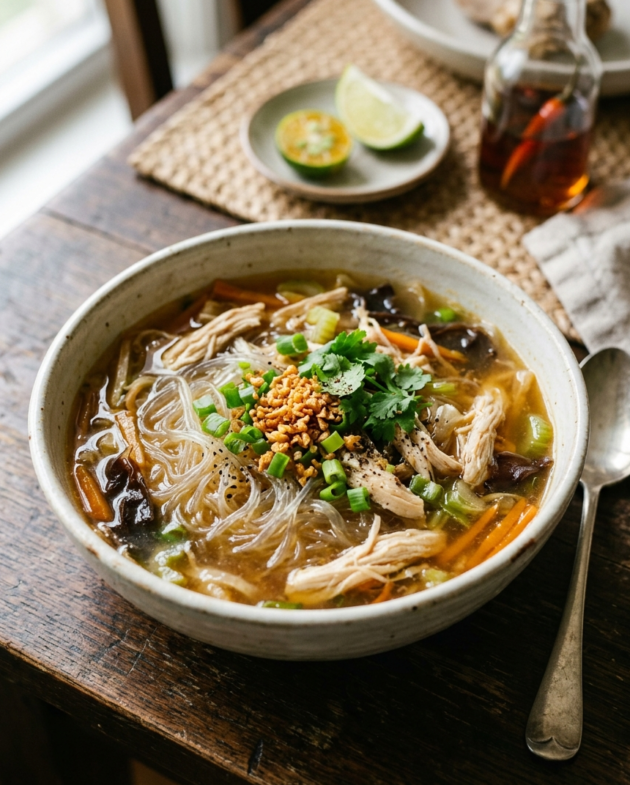
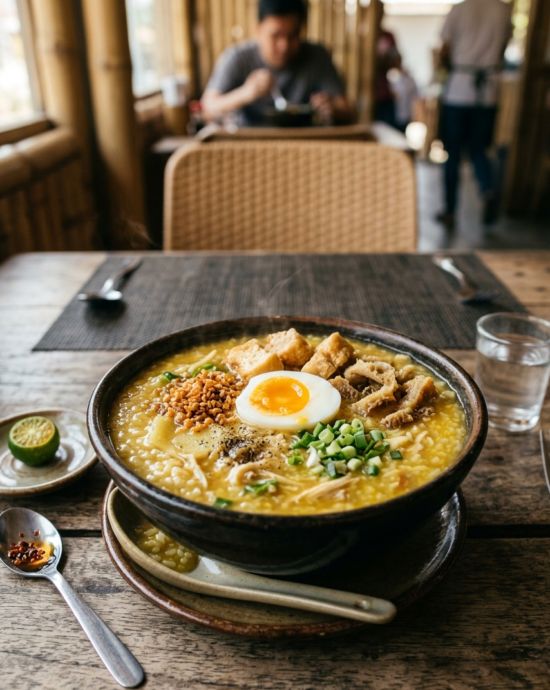
Ladle the hot lugaw into deep bowls. The toppings are where lugaw becomes personal and deeply Filipino — each person customizes their bowl according to preference from a selection of garnishes placed at the center of the table. The most traditional garnishes are crispy toasted garlic (scattered generously), sliced spring onions, and a calamansi half for squeezing. Additional toppings might include hard-boiled eggs, crispy fried shallots, fish sauce on the side for additional seasoning, and small bread croutons fried in garlic butter, which add a Western-influenced textural element found in Manila-style lugaw. The calamansi squeeze at the end is essential — its bright acidity lifts the entire bowl and provides the signature fresh note that prevents lugaw from feeling too heavy. Serve immediately while steaming hot.
- Calories:180 kcal9%
- Protein:4 g8%
- Carbohydrates:36 g12%
- Sugar:1 g1%
- Fat:3 g4%
Table of Contents
What Is Lugaw?
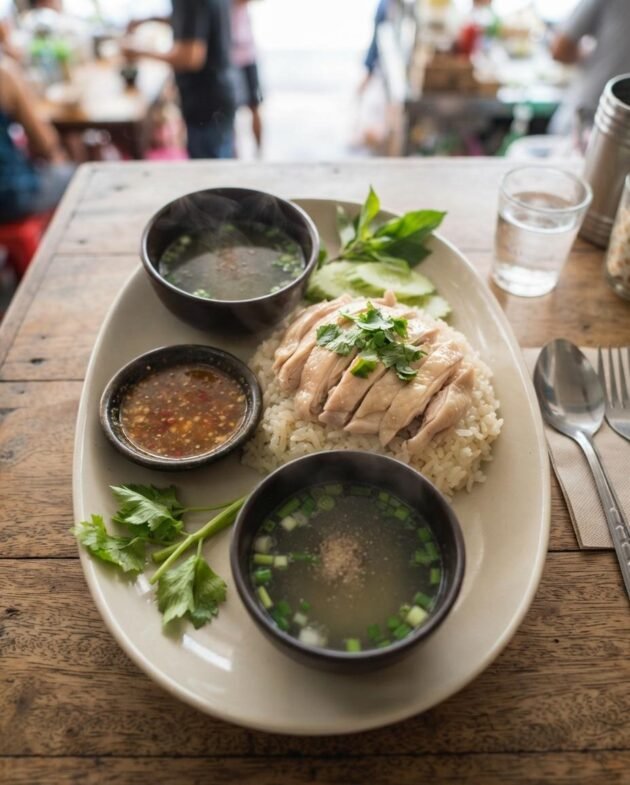
Lugaw is the Philippine equivalent of congee — a simple, comforting rice porridge that holds a revered place in Filipino food culture as the ultimate nurturing, restorative food. At its most fundamental, lugaw is just rice cooked in much more water than normal until the grains break down and form a smooth, thick, flowing porridge. Yet this simplicity is precisely what makes lugaw so extraordinary: it is one of those dishes where minimal ingredients, properly handled, produce something far greater than the sum of their parts. The key aromatics — ginger, garlic, and onion — do not merely flavor the lugaw but transform it, giving it a warming, slightly medicinal quality that makes it the instinctive food of choice when someone is ill, recovering, or simply in need of comfort. In Filipino culture, lugaw carries powerful associations with care and nurturing — it is what mothers cook for sick children, what hospitals serve to recovering patients, and what street vendors sell from giant cauldrons at dawn. The word ‘lugaw’ comes from Old Tagalog and appears in historical records dating back to pre-colonial Philippine society, suggesting it has been a dietary staple for centuries before Spanish colonization. Regional variations include arroz caldo — lugaw with chicken and kasubha (safflower, which imparts a golden color) — and goto, which features beef tripe instead of plain pork or chicken. The base recipe, however, remains beautifully constant: rice, water, ginger, and care. Lugaw is perhaps the most universally eaten dish in the Philippines, crossing all regional and socioeconomic boundaries.
Ingredient Notes
- Fresh Ginger: Fresh ginger is the defining aromatic of lugaw and cannot be replaced with ginger powder, which lacks the bright, volatile oils that give fresh ginger its clean, warming character. Choose plump, firm ginger with smooth, taut skin; shriveled or soft ginger has lost much of its potency and fragrance.
- White Rice: Regular long-grain or medium-grain white rice is traditional for lugaw. Short-grain rice breaks down more readily and produces a creamier, more viscous porridge; long-grain produces a slightly more textured, separated result. Avoid jasmine or basmati rice, whose aromatic compounds compete with the ginger and garlic flavor base.
Ingredient Suggestions
- Chicken Strips — Add poached and shredded chicken breast for arroz caldo — the most beloved variation of lugaw.
- Century Egg — A classic Chinese-Filipino addition, sliced century egg (preserved egg) adds a creamy, intensely umami richness to plain lugaw.
- Tokwa at Baboy — Serve alongside crispy fried tofu and pork slices (tokwa’t baboy) dressed with vinegar and onions for a complete meal.
- Soft-Boiled Egg — A perfectly soft-boiled egg with a runny yolk melted into hot lugaw adds a luxurious creaminess to each spoonful.
Helpful Tips & Pro Tips
- Toast the rice before cooking — this is the single most impactful step for improving the flavor of lugaw. Three to four minutes in a dry pan over medium heat develops nutty, complex flavors in the rice grains that persist throughout the long cooking process and add remarkable depth to an otherwise simple dish.
- Use a heavy-bottomed pot — thin pots develop hot spots at the bottom that cause the porridge to scorch before the rice finishes cooking. A heavy cast-iron pot or thick stainless steel pot distributes heat evenly and reduces the risk of burning, which would impart a bitter flavor throughout the entire batch.
- Start with cold water added to the sautéed aromatics rather than hot — this allows the rice to absorb the aromatics more gradually during the heating process, producing a more evenly flavored porridge than adding water that is already boiling.
- Why is my lugaw gluey and sticky rather than creamy and smooth? Over-stirring after the rice has begun to break down releases excess starch and produces a gluey rather than creamy result. Stir every five minutes for the first half of cooking, then reduce stirring frequency in the second half when the grains have mostly dissolved.
How to Serve and Store
Lugaw is served hot in deep bowls, always with a generous selection of garnishes for diners to add themselves. It is eaten for breakfast, lunch, merienda, or as a late-night comfort meal. In its role as a recovery food, it is often the only thing offered to the ill. Lugaw keeps refrigerated for up to three days — it thickens considerably as it chills, requiring a generous addition of water or broth and thorough stirring when reheating over low heat. It freezes well for up to one month in individual portions.
Substitutions
- White rice → Brown rice — Increases fiber and nutrients; add one to two cups of additional liquid and fifteen extra minutes of cooking time.
- Fish sauce → Soy sauce — For a version without fish sauce, low-sodium soy sauce provides umami depth at a similar salt level.
- Water → Pork bone broth — Produces a richer, more deeply flavored lugaw for those who want more substance.
- Fresh ginger → Lemongrass — A stalk of bruised lemongrass instead of ginger creates a different but equally aromatic and comforting variation.
- White rice → Cauliflower rice (low-carb) — Not traditional but creates a lower-carbohydrate version; reduce cooking time significantly.
- Calamansi → Regular lime — A squeeze of regular lime provides a similar citrus brightness when calamansi is unavailable.
Suggested Recipes
- Arroz Caldo — The chicken and saffron variation of lugaw, the most popular Filipino rice porridge variation.
- Goto — Beef tripe congee, the heartier offal variation of Filipino rice porridge.
- Champorado — The sweet chocolate version of Filipino rice porridge, representing the sweet side of the lugaw tradition.
- Congee with Century Egg — A Chinese-style variation that can be adapted from lugaw by adding preserved egg and pork.
Frequently Asked Questions

Jeff Smith
"Cooking is the intersection of history, science, and emotion."
For me, the kitchen has always been a laboratory of culture. With a background deeply rooted in digital strategy and precision, I approach the culinary arts with the same rigor I apply to the digital landscape—analyzing flavors, perfecting techniques, and documenting the nuance that makes Filipino cuisine truly world-class.
Findme Recipe was born from a desire to bridge the gap between traditional heritage and the modern home cook. Whether it is mastering the perfect balance of acidity in a classic Adobo or simplifying complex regional dishes for everyday kitchens, my mission is to preserve our culinary identity through accessible, data-backed, and delicious content.
I am not just building a database; I am cultivating a community where every Filipino kitchen feels empowered, every ingredient is celebrated, and every family heirloom recipe finds a place to thrive.
Join me as we translate the soul of our islands into recipes for the next generation.