How to Make Oatmeal Cookies — Chewy, Classic & Easy
- June 20, 2026
- 0
- 4 Min Read
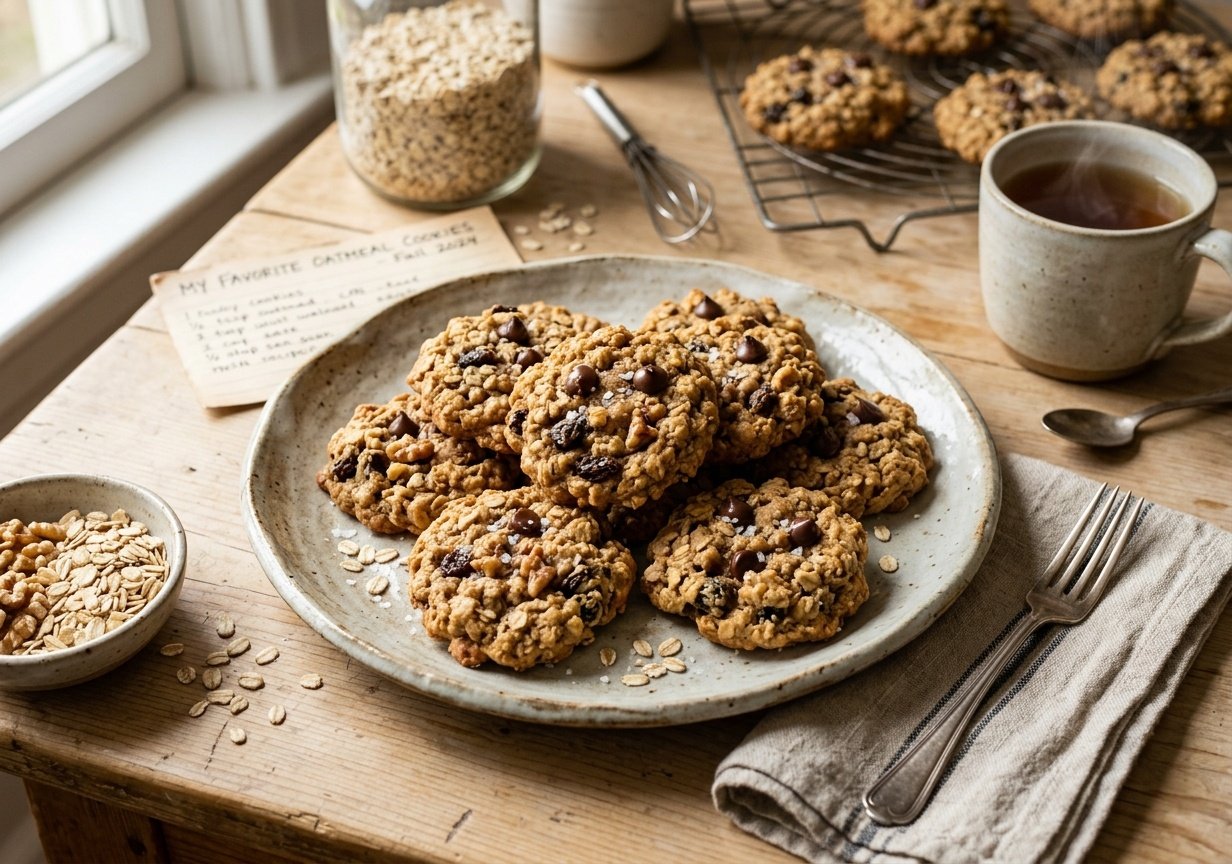
There’s a reason oatmeal cookies have been a kitchen staple for generations. They’re hearty, warmly spiced, and have a chewy texture that no other cookie quite replicates. Learning how to make oatmeal cookies from scratch is one of the most satisfying baking projects you can take on — and with the right technique, you’ll get thick, chewy results every single time.
This recipe nails the classic version with plenty of room to make it your own.
Ingredients for Classic Oatmeal Cookies
Makes about 24 cookies
- 1 cup (2 sticks / 226g) unsalted butter, softened
- 1 cup (200g) brown sugar, packed
- ½ cup (100g) granulated sugar
- 2 large eggs
- 1 teaspoon pure vanilla extract
- 1½ cups (190g) all-purpose flour
- 1 teaspoon baking soda
- 1½ teaspoons ground cinnamon
- ½ teaspoon salt
- 3 cups (270g) old-fashioned rolled oats
- 1 cup raisins, chocolate chips, or walnuts (optional)
Key note on oats: Use old-fashioned rolled oats, not quick oats. Quick oats absorb moisture too fast and produce a flatter, cakey cookie. Rolled oats give you the characteristic thick, chewy bite.
How to Make Oatmeal Cookies: Step-by-Step
Step 1: Soften Your Butter and Preheat
Take the butter out of the fridge at least 30 minutes before baking. Properly softened butter (not melted, not cold) is essential for creaming. Preheat your oven to 350°F (175°C) and line two baking sheets with parchment paper.
Step 2: Cream Butter and Sugars
In a large bowl, beat the softened butter with both sugars on medium speed for 3–4 minutes until the mixture is noticeably pale, fluffy, and increased in volume. Don’t rush this step — proper creaming creates structure and prevents flat cookies.
Step 3: Add Eggs and Vanilla
Add the eggs one at a time, beating well after each addition. Add the vanilla extract and mix until fully incorporated. Scrape down the sides of the bowl.
Step 4: Mix Dry Ingredients Separately
In a medium bowl, whisk together the flour, baking soda, cinnamon, and salt. Adding these dry ingredients together ensures even distribution and prevents overmixing.
Step 5: Combine Wet and Dry
Add the flour mixture to the butter mixture and mix on low speed until just combined — stop as soon as no dry flour is visible. Overmixing develops gluten and makes cookies tough.
Step 6: Fold In Oats and Mix-Ins
Add the rolled oats and any mix-ins and fold in by hand with a spatula. Folding preserves the oat texture and prevents over-working the dough.
Step 7: Chill the Dough
Cover the bowl and refrigerate the dough for at least 30 minutes (up to 24 hours). Chilling solidifies the fat, which slows spreading in the oven and produces thicker, chewier cookies.
Step 8: Scoop, Space, and Bake
Scoop dough into balls about 2 tablespoons each and place 2 inches apart on your prepared baking sheets. Slightly flatten each ball with your palm. Bake at 350°F for 10–12 minutes, until the edges are set and lightly golden but the centers still look slightly underdone.
Step 9: Rest Before Moving
Let cookies rest on the baking sheet for exactly 5 minutes before transferring to a wire rack. Moving them too soon causes them to fall apart; moving them too late causes them to overbake on the pan.
Tips for the Best Oatmeal Cookies
- Brown your butter for a nuttier, more complex flavor. Cool to room temperature before creaming.
- Add a tablespoon of molasses to the butter mixture for deeper, more caramel-like sweetness.
- Under-bake slightly. Pull the cookies when centers look underdone — they finish cooking off the heat.
- Salt the tops. A pinch of flaky salt right before baking elevates the whole cookie.
Oatmeal Cookie Variations
- Classic oatmeal raisin: Add 1 cup of raisins soaked in warm water for 10 minutes
- Oatmeal chocolate chip: Substitute chocolate chips for the raisins — dark chocolate pairs especially well
- Oatmeal cranberry walnut: Dried cranberries + toasted walnuts + a pinch of orange zest
Frequently Asked Questions

Jeff Smith
"Cooking is the intersection of history, science, and emotion."
For me, the kitchen has always been a laboratory of culture. With a background deeply rooted in digital strategy and precision, I approach the culinary arts with the same rigor I apply to the digital landscape—analyzing flavors, perfecting techniques, and documenting the nuance that makes Filipino cuisine truly world-class.
Findme Recipe was born from a desire to bridge the gap between traditional heritage and the modern home cook. Whether it is mastering the perfect balance of acidity in a classic Adobo or simplifying complex regional dishes for everyday kitchens, my mission is to preserve our culinary identity through accessible, data-backed, and delicious content.
I am not just building a database; I am cultivating a community where every Filipino kitchen feels empowered, every ingredient is celebrated, and every family heirloom recipe finds a place to thrive.
Join me as we translate the soul of our islands into recipes for the next generation.