Why Temperature Control is the Secret to Elite Vegetable Dishes
- May 14, 2026
- 0
- 3 Min Read
The Art of the Char: A Sensory Introduction
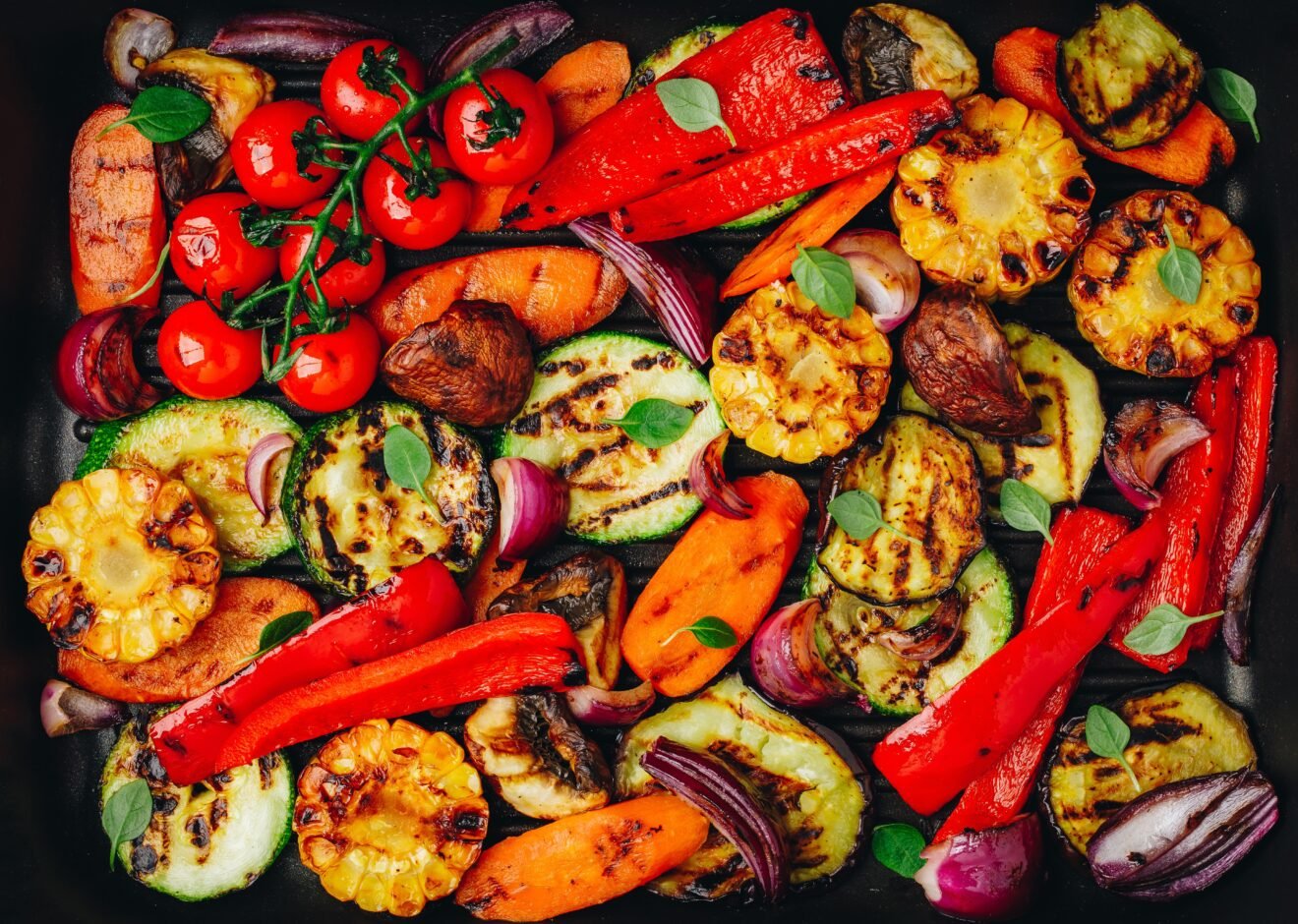
There is a specific, fleeting moment on a midsummer evening when the scent of hardwood smoke mingles with the sugary caramelization of a red bell pepper. As a chef, that’s when I know the magic is happening. I still remember the first time I pulled a perfectly blistered zucchini off a cast-iron grate—the skin was crisp and smoky, while the interior remained buttery and vibrant, rather than the grey, mushy mess many associate with poorly prepared vegetables dishes. When you learn how to grill vegetables correctly, you aren’t just cooking side dishes; you are concentrated flavors and transforming humble produce into the star of the plate.
The Science of Smoke and Sugar
To master grilled vegetables, you must understand the Maillard reaction and pyrolysis. Most vegetables are high in water and natural sugars. If your grill is too cold, the water seeps out, and the vegetable boils in its own juice, becoming limp.
We aim for a surface temperature of at least 175°C (350°F) to trigger caramelization. However, density matters. A dense sweet potato requires a two-zone fire (indirect heat) to soften the cellulose fibers without burning the exterior, whereas asparagus thrives under high, direct heat for a quick sear. Using an oil with a high smoke point, like avocado or grapeseed oil, is critical; extra virgin olive oil often breaks down and turns bitter under the intense heat of a charcoal flame.

How to Grill Vegetables: The Step-by-Step Method
Follow these professional steps to ensure your grilled vegetables have the perfect texture and flavor profile.
- Prep and Prime: Clean your grates thoroughly. Lightly coat your sliced vegetables in a high-smoke-point oil. For vegetable dishes like skewers, ensure pieces are uniform in size—roughly 2.5 cm (1 inch)—to guarantee even cooking.
- Seasoning: Season generously with kosher salt and cracked black pepper just before they hit the heat. Salting too early draws out moisture, which prevents a good sear.
- High-Heat Searing: Place the vegetables on the hottest part of the grill. For zucchini and eggplant, grill for 3–4 minutes per side. For thicker items like halved onions or cauliflower steaks, aim for 5–7 minutes per side.
- The “Carry-Over” Finish: Remove the vegetables when they are just slightly under your desired tenderness. The residual heat will continue to cook the fibers for another 2 minutes while resting.
- The Acid Hit: Once off the grill, toss your grilled vegetables with a splash of balsamic vinegar or lemon juice. The acidity cuts through the smoky char and brightens the natural sweetness.
Safety, Storage, and Reheating
Food Safety: While vegetables don’t carry the same risks as raw poultry, cross-contamination is a threat. Never use the same tongs for your raw meats and your finished vegetable dishes without sanitizing them first. Ensure all produce is washed in cold water to remove soil bacteria before slicing.
Storage: Store leftovers in an airtight glass container in the refrigerator for up to 4 days. Reheating: To preserve the “snap” of the vegetable, avoid the microwave. Reheat in a 200°C (400°F) oven for 5–8 minutes or flash-fry them in a hot skillet for 2 minutes to restore the exterior texture.
Frequently Asked Questions

Jeff Smith
"Cooking is the intersection of history, science, and emotion."
For me, the kitchen has always been a laboratory of culture. With a background deeply rooted in digital strategy and precision, I approach the culinary arts with the same rigor I apply to the digital landscape—analyzing flavors, perfecting techniques, and documenting the nuance that makes Filipino cuisine truly world-class.
Findme Recipe was born from a desire to bridge the gap between traditional heritage and the modern home cook. Whether it is mastering the perfect balance of acidity in a classic Adobo or simplifying complex regional dishes for everyday kitchens, my mission is to preserve our culinary identity through accessible, data-backed, and delicious content.
I am not just building a database; I am cultivating a community where every Filipino kitchen feels empowered, every ingredient is celebrated, and every family heirloom recipe finds a place to thrive.
Join me as we translate the soul of our islands into recipes for the next generation.