How to Cook: A Step-by-Step Beginner’s Guide to Basic Cooking Techniques
- May 14, 2026
- 0
- 4 Min Read
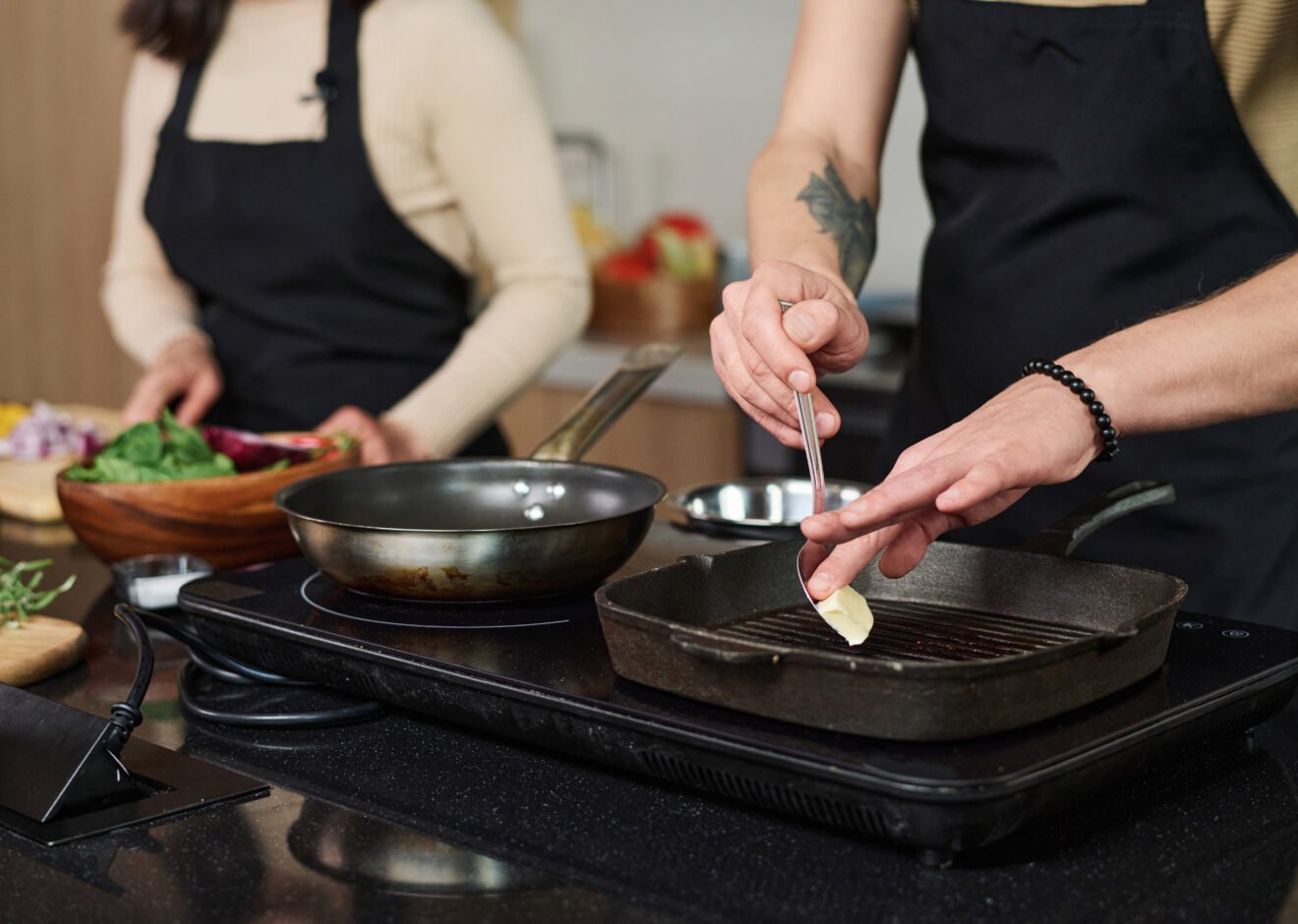
Learning how to cook for beginners often starts with one unforgettable moment in the kitchen. I still remember the first time butter melted in a hot skillet while garlic and onions slowly softened beside it. The aroma filled the room with warmth and comfort, and the gentle sizzling sound instantly made cooking feel less intimidating and more rewarding. That sensory experience is why I believe mastering basic cooking techniques is the true foundation of learning how to cook confidently at home.
Cooking does not require expensive tools or culinary school training. It starts with understanding heat, timing, seasoning, and a few essential kitchen methods. Once beginners learn these basics, preparing meals becomes easier, faster, and far more enjoyable.
Essential Cooking Techniques Every Beginner Should Learn
1. Sautéing
Sautéing uses medium to high heat with a small amount of oil or butter. This technique quickly cooks vegetables, chicken, shrimp, or thin slices of beef while building flavor through caramelization.
Key tip: Always preheat the pan before adding ingredients. Crowding the pan traps steam and prevents browning.
2. Roasting
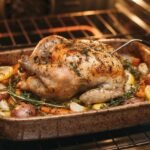
Roasting creates deep flavor by surrounding food with dry heat in the oven. Vegetables become caramelized, while meats develop a crisp outer layer.
- Vegetables: Roast at 220°C (425°F)
- Chicken thighs: Roast at 200°C (400°F)
Roasting is one of the easiest methods for anyone learning how to cook for beginners because it requires minimal hands-on effort.
3. Boiling and Simmering
Boiling cooks food rapidly at high heat, while simmering uses gentler bubbles to develop flavor slowly. Pasta, rice, soups, and sauces rely heavily on these methods.
For pasta, use heavily salted water and cook until al dente, meaning the pasta remains slightly firm in the center.
4. Knife Skills
Proper knife handling improves safety and efficiency. Start by learning:
- Dice
- Mince
- Julienne
- Slice
A sharp chef’s knife is safer than a dull one because it requires less force and offers more control.
The Science Behind Good Cooking
Understanding why recipes work is the fastest way to improve your cooking skills.
When proteins such as chicken or steak hit a hot pan, the Maillard reaction occurs. This chemical process creates the browned crust and savory flavor many people associate with restaurant-quality food. If the pan is too cool, moisture builds up and the food steams instead of browning.
Temperature control also affects texture. For example:
- Eggs cooked too quickly become rubbery.
- Bread baked at the wrong temperature may stay dense instead of airy.
- Vegetables roasted properly release natural sugars and caramelize beautifully.
Another critical concept in cooking techniques is balancing fat, acid, and salt. Lemon juice brightens soups, vinegar sharpens sauces, and salt enhances natural flavors. Learning these interactions helps beginners understand how to cook without relying strictly on recipes.

Simple Beginner-Friendly Recipe: Garlic Herb Chicken and Vegetables
Ingredients
- 2 boneless chicken breasts (about 450 g / 1 lb)
- 2 tbsp olive oil (30 ml)
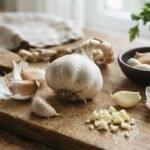
- 3 garlic cloves, minced
- 1 tsp salt (5 g)
- ½ tsp black pepper (2 g)
- 1 tsp dried thyme (2 g)
- 2 carrots, sliced
- 1 zucchini, chopped
- 1 red bell pepper, sliced
Instructions
- Preheat the oven to 200°C (400°F).
- Pat the chicken dry using paper towels. This helps create better browning during roasting.
- In a bowl, combine olive oil, garlic, thyme, salt, and pepper.
- Coat the chicken and vegetables evenly with the seasoning mixture.
- Arrange everything on a baking tray in a single layer.
- Roast for 25–30 minutes until the chicken reaches an internal temperature of 74°C (165°F).
- Let the chicken rest for 5 minutes before slicing to retain juices.
This recipe introduces beginners to roasting, seasoning, knife work, and temperature control in one easy meal.
Common Mistakes Beginners Should Avoid
- Overcrowding pans during sautéing
- Skipping preheating steps
- Overseasoning too early
- Cutting meat immediately after cooking
- Ignoring ingredient preparation before starting
One of the best ways to learn how to cook for beginners is practicing mise en place, a culinary term meaning “everything in its place.” Preparing ingredients beforehand reduces stress and improves timing.
Food Safety and Storage Tips
Food safety is essential when learning how to cook properly.
- Chicken should always reach 74°C (165°F)
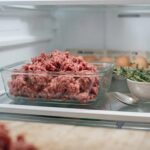
- Ground beef should reach 71°C (160°F)
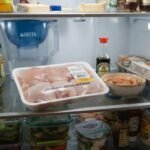
- Refrigerate leftovers within 2 hours
Store cooked food in airtight containers:
- Refrigerator: up to 4 days
- Freezer: up to 3 months
For reheating:
- Oven: 175°C (350°F) for best texture
- Microwave: Use short intervals to prevent drying out
- Add a splash of water or broth when reheating rice or pasta
Proper storage preserves flavor, moisture, and food quality while reducing waste.
Frequently Asked Questions

Jeff Smith
"Cooking is the intersection of history, science, and emotion."
For me, the kitchen has always been a laboratory of culture. With a background deeply rooted in digital strategy and precision, I approach the culinary arts with the same rigor I apply to the digital landscape—analyzing flavors, perfecting techniques, and documenting the nuance that makes Filipino cuisine truly world-class.
Findme Recipe was born from a desire to bridge the gap between traditional heritage and the modern home cook. Whether it is mastering the perfect balance of acidity in a classic Adobo or simplifying complex regional dishes for everyday kitchens, my mission is to preserve our culinary identity through accessible, data-backed, and delicious content.
I am not just building a database; I am cultivating a community where every Filipino kitchen feels empowered, every ingredient is celebrated, and every family heirloom recipe finds a place to thrive.
Join me as we translate the soul of our islands into recipes for the next generation.