How to Fix Slow Cooker Recipes: 7 Simple Hacks for Perfectly Cooked Meals Every Time
- May 21, 2026
- 0
- 5 Min Read
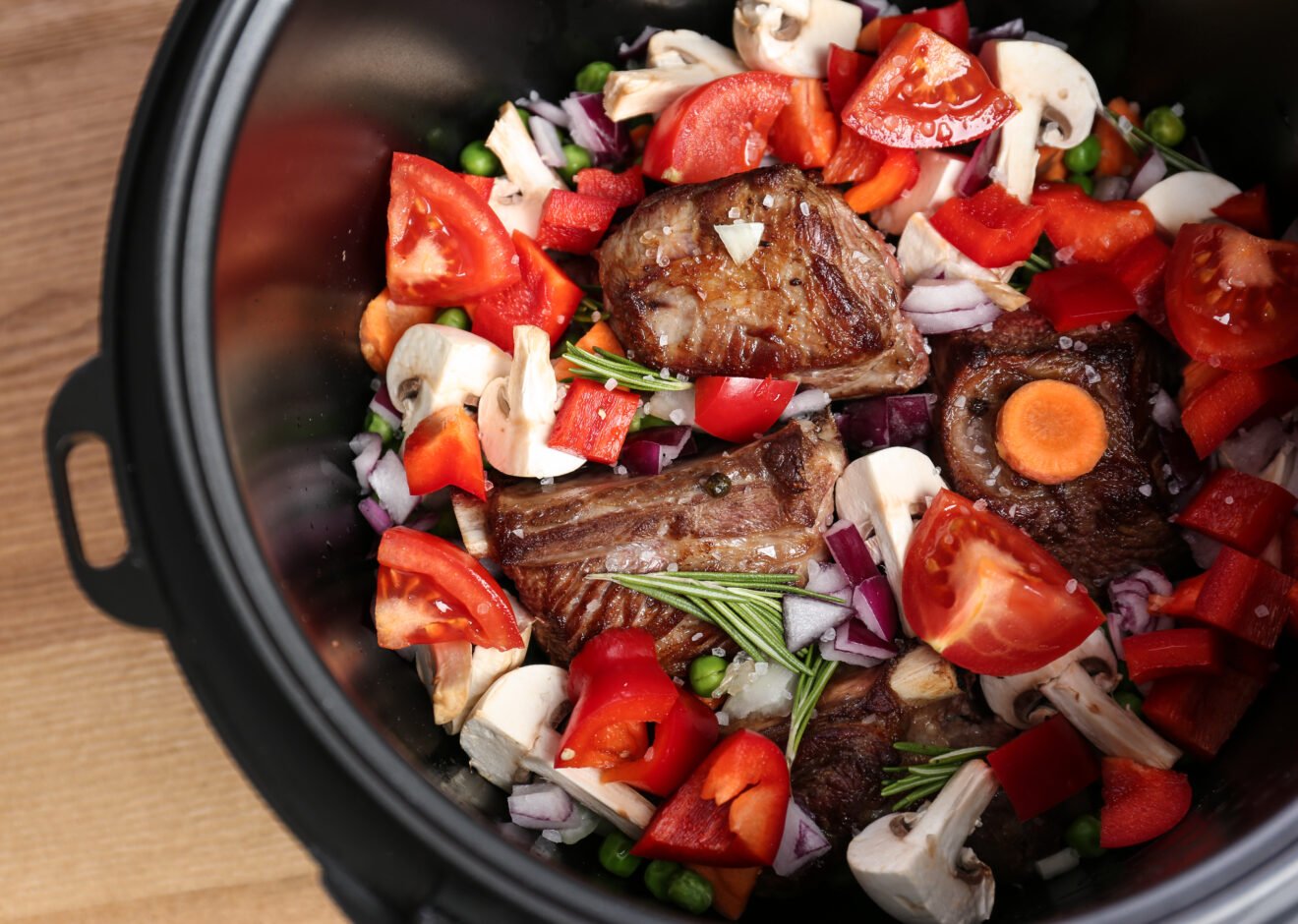
The moment I finally understood slow cooker failure
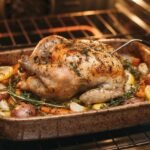
I still remember the disappointment — lifting the lid after eight hours to find chicken the texture of wet paper, adrift in a watery, flavor-starved broth. The kitchen smelled promising, but what was inside told a different story.
After fifteen years developing recipes for publications and restaurant menus, I’ve learned that the slow cooker is less forgiving than it appears. It rewards patience but punishes guesswork. When you’re trying to fix slow cooker recipes that have gone wrong — mushy vegetables, rubbery meat, a sauce thinner than water — the problem is almost never the appliance. It’s technique.
In this guide, I’ll walk you through the most common failures and how to rescue them, using both the science of low-and-slow cooking and practical, tested fixes you can apply right now.
The science behind slow cooker failures
A slow cooker operates between roughly 79°C / 175°F (Low setting) and 93°C / 200°F (High setting). That range sits just below a full boil, which means collagen conversion in tough cuts proceeds beautifully — but delicate proteins, starches, and volatile aromatics behave very differently than on a stovetop.
The core issue most home cooks face is trapped moisture. Unlike oven braising or stovetop simmering, a slow cooker lid seals in almost all liquid. Vegetables release water; meats release juices. Without evaporation, sauces dilute and textures degrade. Understanding this is the key to knowing how to fix slow cooker recipes before they go wrong — or how to correct them mid-cook.
LSI concepts at play here include braising liquid management, Maillard reaction (which requires dry-heat searing before the cooker), starch gelatinization, and the role of umami-rich ingredients like tomato paste and soy sauce in building depth without added liquid.
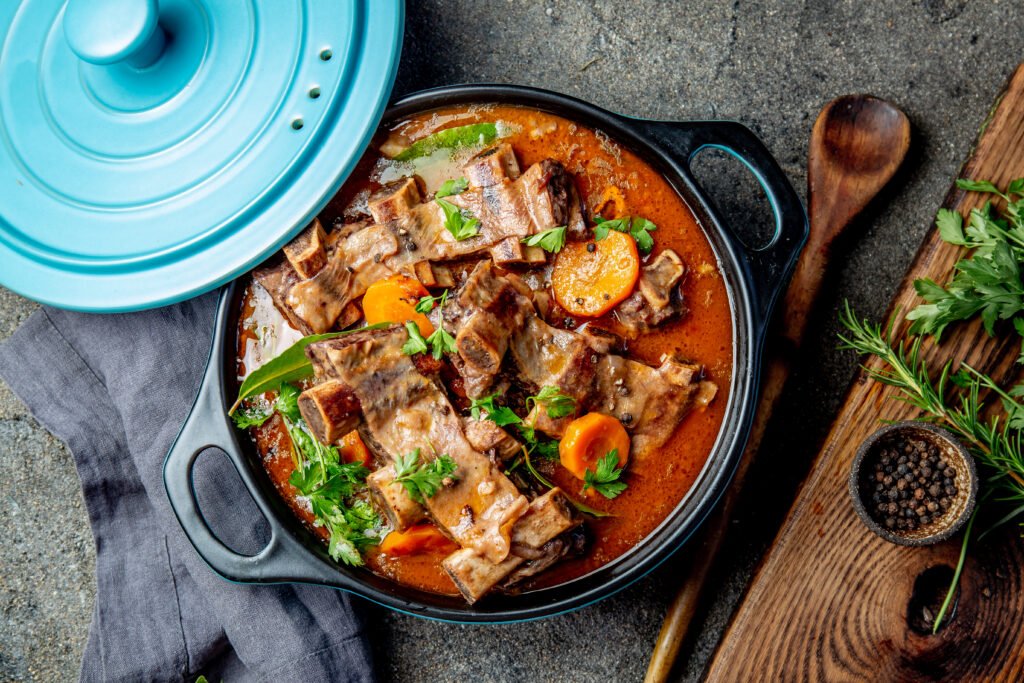
Step-by-step: how to fix slow cooker recipes
Reduce the liquid upfront. Start with 30–40% less stock or water than you think you need. For a 4-person stew, use 240 ml / 1 cup instead of 480 ml / 2 cups. You can always add more; you cannot remove it.
Sear the protein first. Heat a skillet to medium-high. Sear meat in batches (do not crowd) until a deep mahogany crust forms — about 3–4 minutes per side. This Maillard reaction creates the flavor base that low-and-slow cooking cannot generate on its own.
Layer vegetables by density. Place root vegetables — carrots, potatoes, parsnips — at the bottom and sides closest to the heat element. Add tender vegetables like zucchini or bell pepper only in the final 45–60 minutes of cooking.
Rescue a thin sauce with a slurry. Mix 15 ml / 1 tablespoon of cornstarch with 30 ml / 2 tablespoons of cold water. Stir into the liquid during the last 20 minutes on High. Replace the lid; the residual heat will activate gelatinization and thicken the sauce without a stovetop transfer.
Finish with acid and fresh herbs. Before serving, add 15 ml / 1 tablespoon of lemon juice or apple cider vinegar. This is the single most impactful fix for a flat, dull braise. Stir in fresh parsley, dill, or basil off-heat to restore brightness.
Use the right cut of meat. For beef, choose chuck roast, short ribs, or brisket (collagen-rich, ideal for 6–8 hours on Low / 60–70°C / 140–160°F internal). Chicken thighs outperform breasts in every slow-cooked application. Pork shoulder beats loin every time.
Check temperature, not just time. Use an instant-read thermometer. Beef braises are fully tender at 93–99°C / 200–210°F internal (collagen fully dissolved). Chicken thighs are safe and succulent at 74–82°C / 165–180°F. Never rely on time alone to know how to fix slow cooker recipes that seem underdone.
Pro tip: Dairy — cream, milk, sour cream — should always be added in the last 15–30 minutes of cooking. Extended heat causes proteins to curdle and separate, creating a grainy, broken sauce that is difficult to recover.
Food safety and proper storage
The USDA recommends that all slow cooker dishes reach a safe internal temperature before the hold phase. Poultry must reach 74°C / 165°F; beef, pork, and lamb must reach 63°C / 145°F (with a 3-minute rest) for whole cuts, and 71°C / 160°F for ground. Always start with thawed, never frozen, meat in a slow cooker, as frozen protein extends time in the bacterial danger zone (4–60°C / 40–140°F).
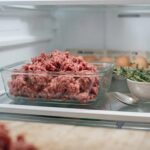
Storing leftovers: Transfer to shallow airtight containers and refrigerate within 2 hours of cooking. Consume within 3–4 days, or freeze for up to 3 months. Do not store food in the ceramic insert — it retains heat too long and keeps food in the danger zone.
Reheating: Reheat on the stovetop in a heavy-bottomed pot over medium heat, stirring occasionally, until the internal temperature reaches 74°C / 165°F. Avoid reheating in the slow cooker itself — the Low setting is too slow to bring leftovers safely through the danger zone. For sauces that separated during storage, a brief whisk over medium heat with a small knob of butter will re-emulsify them.
Safety reminder: Never place a cold ceramic slow cooker insert directly onto a hot burner. Thermal shock can crack the insert and create a food-safety hazard.
Frequently Asked Questions

Jeff Smith
"Cooking is the intersection of history, science, and emotion."
For me, the kitchen has always been a laboratory of culture. With a background deeply rooted in digital strategy and precision, I approach the culinary arts with the same rigor I apply to the digital landscape—analyzing flavors, perfecting techniques, and documenting the nuance that makes Filipino cuisine truly world-class.
Findme Recipe was born from a desire to bridge the gap between traditional heritage and the modern home cook. Whether it is mastering the perfect balance of acidity in a classic Adobo or simplifying complex regional dishes for everyday kitchens, my mission is to preserve our culinary identity through accessible, data-backed, and delicious content.
I am not just building a database; I am cultivating a community where every Filipino kitchen feels empowered, every ingredient is celebrated, and every family heirloom recipe finds a place to thrive.
Join me as we translate the soul of our islands into recipes for the next generation.