
- Step 1: Sauté the Aromatics and Meats
Heat cooking oil in a large, heavy-bottomed pan or wok over medium-high heat. Once the oil shimmers, add the diced onions and sauté until they turn translucent and fragrant, about two to three minutes. Add the minced garlic and cook for another minute until golden and aromatic. Carefully add the chorizo de bilbao slices and fry until they release their flavorful red oil, which will naturally color the entire dish. Add the chicken pieces in a single layer, season with fish sauce and a generous pinch of black pepper, and brown them on all sides. This browning step is crucial because it builds the deep, savory base that defines the dish's flavor. Allow the meats to develop a golden crust before moving on to the next step. Do not rush this process — patience here creates a richer final dish.
- Step 2: Bloom the Tomato Sauce and Spices
Pour the tomato sauce directly into the pan with the browned meats and aromatics. Stir everything together well, scraping up any browned bits stuck to the bottom of the pan — these caramelized bits are pure flavor. Add the turmeric powder or atsuete (annatto) powder now. Turmeric provides an earthy warmth and the signature golden color of authentic Arroz Valenciana, while atsuete deepens the hue to a rich, sunset orange. Allow the tomato sauce to cook down and slightly caramelize with the spices for three to four minutes, stirring frequently. This technique, often called blooming, activates the fat-soluble compounds in the spices and intensifies both the color and flavor profile of the dish. Season lightly with salt and pepper, tasting as you go to build balanced seasoning.
- Step 3: Add the Rice and Liquids
Add the rinsed glutinous rice and regular white rice directly into the pan, stirring to coat every grain with the flavorful tomato and spice mixture. This step ensures the rice absorbs maximum color and flavor from the start. Pour in the coconut milk and chicken broth, stirring gently to combine all ingredients into an even mixture. The coconut milk contributes a subtle richness and creaminess that distinguishes Filipino Arroz Valenciana from its Spanish counterpart. Bring the entire mixture to a boil over medium-high heat, then immediately reduce the heat to low. Stir once more to prevent rice from settling unevenly at the bottom. Taste the liquid at this point and adjust seasoning if necessary — the rice will absorb these flavors entirely as it cooks, so getting the liquid well-seasoned is essential before covering.
- Step 4: Simmer and Steam the Rice
Cover the pan tightly with a lid and let the rice simmer on the lowest possible heat setting for twenty to twenty-five minutes. Resist the temptation to lift the lid during this stage — the trapped steam is what properly cooks the rice through. Glutinous rice absorbs liquid more slowly than regular white rice, so patience is key to avoiding undercooked or unevenly cooked grains. After twenty minutes, carefully lift the lid and check the rice by pressing a grain between your fingers — it should be tender with a slight chewiness characteristic of malagkit. If the rice seems too dry or the bottom is beginning to scorch, add a small splash of broth or water and continue cooking. If liquid remains on the surface, cook uncovered for a few more minutes to allow it to evaporate fully.
- Step 5: Add the Vegetables and Final Garnishes
Once the rice is fully cooked and has absorbed most of the liquid, gently fold in the diced red and green bell peppers and the green peas. Use a rubber spatula or flat wooden spoon to fold rather than stir — this prevents the glutinous rice from becoming overly sticky or clumped together. Cover the pan again and allow the vegetables to steam and soften for three to five minutes without additional heat. This gentle steaming preserves the vibrant color and slight crunch of the peppers and peas, providing a textural contrast to the sticky, savory rice. Once the vegetables are just tender, transfer the Arroz Valenciana onto a large serving platter or keep it in the pan for presentation. Arrange the hard-boiled egg slices decoratively on top.
- Step 6: Garnish and Rest Before Serving
Allow the finished Arroz Valenciana to rest for five minutes before serving. This resting period lets the residual heat redistribute throughout the dish, finishing any remaining cooking and allowing the flavors to meld and deepen. While it rests, arrange additional garnishes if desired — extra sliced chorizo on top adds visual appeal and extra pops of savory flavor. The hard-boiled eggs, sliced into neat rounds, are a traditional Filipino garnish that adds color and protein. For special occasions or fiesta presentations, additional bell pepper strips arranged in a radial pattern on top create a beautiful, festive look. Serve Arroz Valenciana directly from the pan for a casual family-style meal, or transfer to a decorative platter for parties and celebrations.
- Calories:480 kcal24%
- Protein:28 g56%
- Carbohydrates:52 g17%
- Sugar:4 g4%
- Fat:17 g22%
Table of Contents
What Is Arroz Valenciana?
Arroz Valenciana is a beloved Filipino rice dish that traces its roots to the Spanish paella valenciana, transformed over centuries into a distinctly Filipino comfort food cooked for fiestas, birthdays, and family celebrations. Unlike Spanish paella, which uses saffron and a wide, shallow pan, the Filipino version blends glutinous rice (malagkit) with regular white rice, coconut milk, and chorizo de bilbao to create a dish that is uniquely rich, aromatic, and deeply satisfying. The glutinous rice gives Arroz Valenciana its characteristic sticky, slightly chewy texture that absorbs the flavors of tomato, coconut, and savory meats beautifully. Turmeric or atsuete gives it a vivid golden-orange color that makes it instantly recognizable on any Filipino fiesta table. Regional variations exist throughout the Philippines — in the Visayas and Mindanao, Arroz Valenciana often features more coconut milk and is cooked in a banana-leaf-lined pot for added fragrance. In Luzon, it tends to be drier and may include ingredients like liver spread or green olives for a richer, more savory profile. What makes this dish so enduring in Filipino cuisine is its combination of Spanish colonial influence and local tropical ingredients, resulting in a flavor that feels both familiar and festive. The combination of chicken, chorizo, and vegetables makes it a complete one-pot meal suitable for feeding large gatherings. Whether served at a humble birthday lunch or a grand town fiesta, Arroz Valenciana remains a symbol of Filipino generosity and culinary heritage. Its vibrant color, smoky-savory aroma, and layered flavors make it a dish that every Filipino cook takes pride in mastering.
Ingredient Notes
- Glutinous Rice (Malagkit) Glutinous rice is the heart of Filipino Arroz Valenciana, providing its signature sticky, chewy texture that sets it apart from regular rice dishes. Look for white, opaque grains sold specifically labeled as malagkit or sweet rice — avoid pre-cooked or parboiled varieties as they will not achieve the correct texture.
- Chorizo de Bilbao: Chorizo de Bilbao is a Spanish-style pork sausage with a deeply smoky, garlicky, and slightly spicy flavor that infuses the entire dish with richness. Choose firmer, well-cured versions for the best flavor; softer varieties may disintegrate during cooking and muddy the texture of the rice.
- Coconut Milk: Full-fat coconut milk adds a luxurious creaminess and subtle sweetness that balances the savory meats and acidic tomato sauce. Use canned full-fat coconut milk for the most authentic result; avoid reduced-fat versions as they lack the richness needed to properly bind the flavors.
- Turmeric: Turmeric is the primary coloring agent in this recipe, giving Arroz Valenciana its beautiful golden hue while adding a warm, slightly bitter earthiness. Fresh turmeric root produces a more vibrant color and brighter flavor than powdered; if using fresh, use about one teaspoon of grated root per half teaspoon of powder.
Ingredient Suggestions
- Green Olives — Add a dozen sliced green olives for a briny, salty punch that complements the sweet bell peppers and adds authenticity.
- Raisins — A small handful of raisins introduces a subtle sweetness that beautifully balances the smokiness of the chorizo.
- Shrimp — Add medium-sized shrimp in the last five minutes of cooking for a seafood variation popular in coastal Philippine regions.
- Liver Spread — Stir in two tablespoons of liver spread with the tomato sauce for a richer, deeper umami flavor reminiscent of restaurant-style versions.
Helpful Tips & Pro Tips
- Rinse the rice thoroughly but do not soak glutinous rice for too long — over-soaking causes it to become overly soft and break apart during cooking, resulting in a mushy rather than pleasantly chewy texture. A quick thirty-second rinse under cold water until the water runs mostly clear is sufficient.
- Always brown the chicken properly before adding liquids. Skipping this step is the most common reason home-cooked Arroz Valenciana tastes flat. The Maillard reaction created during browning produces hundreds of flavor compounds that a simple simmer cannot replicate.
- Use a heavy-bottomed pan or cast-iron skillet rather than a thin aluminum pot. Glutinous rice is prone to sticking and scorching on the bottom, which can cause a bitter taste throughout the entire dish. Heavy pans distribute heat more evenly and prevent hot spots.
- Why is my Arroz Valenciana too wet? This is typically caused by adding too much liquid relative to the rice quantity. Coconut milk is thicker than broth and takes longer to absorb; reduce the total liquid by a quarter cup if your rice consistently turns out wet, and cook uncovered in the final five minutes to allow excess moisture to evaporate.
How to Serve and Store
Arroz Valenciana is best served hot, directly from the pan onto plates alongside a simple green salad or fresh tomato slices to cut through its richness. For fiesta presentations, mound it on a large banana-leaf-lined platter and decorate with hard-boiled egg slices and extra chorizo rounds. Store leftovers in an airtight container in the refrigerator for up to three days; the flavors actually deepen overnight as the rice absorbs more of the remaining liquid. Reheat on the stovetop over low heat with a splash of broth or water to restore moisture, or microwave covered with a damp paper towel for two to three minutes. Arroz Valenciana can also be frozen for up to one month — freeze in individual portions for easy weeknight meals.
Substitutions
- Chorizo de Bilbao → Pepperoni or andouille sausage — These cured meats offer a similar smoky, spiced character when chorizo de bilbao is unavailable.
- Glutinous rice → All regular white rice — For a non-sticky version, replace the malagkit entirely with regular white rice and reduce coconut milk by half.
- Coconut milk → Evaporated milk (budget-friendly) — Evaporated milk produces a slightly less rich but still creamy result at a lower cost.
- Chicken → Firm tofu and chickpeas (vegan) — Press and cube extra-firm tofu, pan-fry until golden, and use vegetable broth with vegan chorizo for a fully plant-based version.
- Fish sauce → Low-sodium soy sauce (gluten-free with tamari) — Provides the same salty umami depth without seafood, suitable for those with fish allergies.
- Turmeric → Saffron threads — Soak four to five saffron threads in warm broth before adding for a more authentic Spanish paella flavor profile.
Suggested Recipes
- Paella Negra — Another Spanish-Filipino rice dish made with squid ink, paella negra shares the same festive, one-pot cooking tradition.
- Chicken Pastel — A creamy Filipino chicken pot pie that shares the same rich, savory flavor profile and fiesta-table tradition.
- Sinangag (Garlic Fried Rice) — The ideal way to use leftover Arroz Valenciana, transforming it into a fragrant garlic fried rice breakfast.
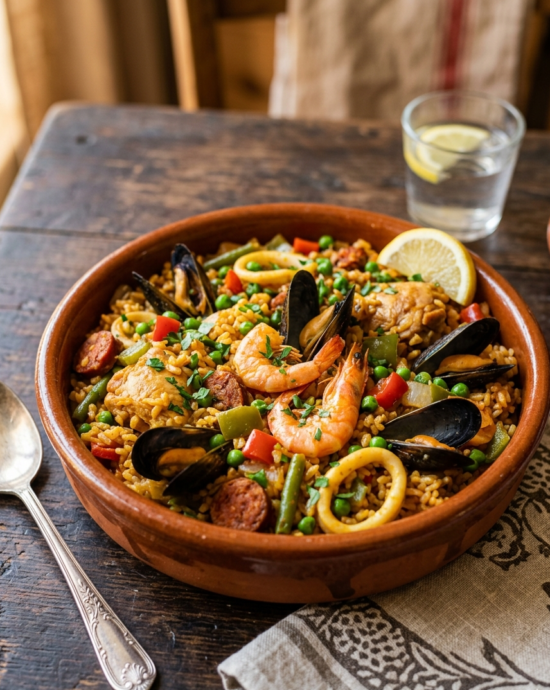
- Seafood Paella Filipino Style — A lighter, seafood-forward version of the same dish that highlights shrimp, mussels, and squid.
Frequently Asked Questions

Jeff Smith
"Cooking is the intersection of history, science, and emotion."
For me, the kitchen has always been a laboratory of culture. With a background deeply rooted in digital strategy and precision, I approach the culinary arts with the same rigor I apply to the digital landscape—analyzing flavors, perfecting techniques, and documenting the nuance that makes Filipino cuisine truly world-class.
Findme Recipe was born from a desire to bridge the gap between traditional heritage and the modern home cook. Whether it is mastering the perfect balance of acidity in a classic Adobo or simplifying complex regional dishes for everyday kitchens, my mission is to preserve our culinary identity through accessible, data-backed, and delicious content.
I am not just building a database; I am cultivating a community where every Filipino kitchen feels empowered, every ingredient is celebrated, and every family heirloom recipe finds a place to thrive.
Join me as we translate the soul of our islands into recipes for the next generation.