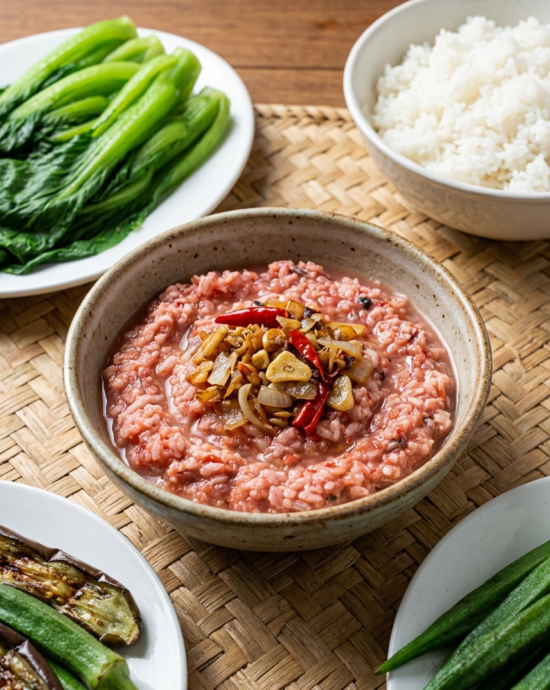

- Step 1: Salt-Cure the Fish
Thoroughly clean the fish, removing scales, guts, and gills. Slice the fish into pieces approximately two inches thick through the bone — keeping the bone in is traditional and adds flavor during fermentation. Pat the fish pieces completely dry using paper towels. Rub the fish pieces generously and thoroughly with three tablespoons of salt, ensuring every surface including the cut edges and the interior cavity is well coated. Place the salted fish in a clean bowl and cover with plastic wrap. Refrigerate the salt-cured fish for a minimum of two hours, though overnight salting is preferred as it draws out more moisture and more firmly establishes the curing environment that will protect the fish during the subsequent multi-day fermentation process at room temperature.
- Step 2: Prepare the Rice Mixture
Cook two cups of rice as you normally would, then spread it out on a wide tray or baking sheet and allow it to cool completely to room temperature — using warm or hot rice in the fermentation mixture can encourage harmful bacterial growth rather than the beneficial lactobacillus fermentation you want. Once fully cooled, transfer the rice to a large mixing bowl. Add one tablespoon of salt to the cooled rice and mix thoroughly. If using atchuete (annatto) for traditional color, mix the annatto seeds in a small amount of warm water and strain the orange liquid into the rice — this gives Burong Isda its characteristic reddish-orange color without affecting the flavor. Mix until the rice is uniformly colored and seasoned.
- Step 3: Combine Fish and Rice
Remove the salt-cured fish from the refrigerator. Pat off any excess moisture that has been drawn out by the salt. In a large, clean mixing bowl or directly in the fermentation container, alternate layers of the seasoned rice mixture and the salted fish pieces, starting and ending with a rice layer. Ensure every fish piece is fully surrounded and covered by rice — no fish should be exposed to air, as unprotected fish surfaces can develop harmful molds during fermentation. Press the layers down firmly as you go to eliminate air pockets, which are the primary environment for dangerous bacterial growth. The rice serves as the medium for lactic acid fermentation, which is the mechanism that both preserves and transforms the flavor of the fish.
- Step 4: Pack for Fermentation
Transfer the layered fish and rice mixture into a clean, sterilized glass jar or food-grade plastic container with a tight-fitting lid. Press the mixture down firmly to eliminate any air pockets, then smooth the surface flat. The mixture should fill the container to within one inch of the rim. Place a small, clean weight (such as a zip-lock bag filled with brine) on top of the mixture to keep it submerged and compressed. Seal the container with its lid. Label the container with the date of packing. Place the sealed container in a cool, shaded area of your kitchen — not in the refrigerator yet. Room temperature fermentation at 28–32°C is ideal for the first 24 to 48 hours.
- Step 5: Ferment at Room Temperature
Allow the Burong Isda to ferment at room temperature (approximately 28–32°C) for three to five days, checking it daily. After the first day, you should begin to notice a pleasantly sour, fermented aroma developing — this is the sign that healthy lactic acid fermentation is occurring. The mixture will also change slightly in texture, with the rice softening and the fish beginning to release its natural flavors into the surrounding medium. If you notice any strong, unpleasant odors (putrid, ammonia-like, or rotten-smelling rather than pleasantly sour), discard the batch entirely and start fresh with properly dried fish and sterilized equipment. After three days, taste a small amount — it should be sour, salty, and pleasantly funky.
- Step 6: Refrigerate After Fermentation
Once the Burong Isda has reached your preferred level of sourness — typically three to five days at room temperature — transfer the container to the refrigerator. Cold temperatures slow the fermentation dramatically, effectively pausing the process at your preferred flavor development point. In the refrigerator, properly made Burong Isda will keep for up to two weeks without further significant flavor change. The fish flesh at this stage will be soft, slightly translucent, and deeply infused with the sour-salty fermented rice character. The fermented mixture is now ready to be cooked. Burong Isda is never eaten raw — it must always be cooked before consumption to ensure complete food safety.
- Step 7: Sauté and Serve
Heat one tablespoon of cooking oil in a pan over medium heat. Sauté the minced garlic until golden, add the sliced onion and diced tomatoes, and cook until the tomatoes break down into a sauce, approximately five minutes. Add two to three tablespoons of the fermented Burong Isda mixture to the pan along with two tablespoons of water. Stir and cook for eight to ten minutes until the fish is heated through and the rice has dissolved into the sauce, creating a thick, sour-savory, rustic condiment with pieces of tender, flavorful fish throughout. Taste and adjust salt if needed. Serve over steamed white rice with fresh vegetables. The finished dish should be intensely savory, sour, and deeply satisfying.
- Calories:160 kcal8%
- Protein:18 g36%
- Carbohydrates:14 g5%
- Sugar:g
- Fat:4 g5%
- Salt (Sodium):1200 mg52%
- Energy:669 kJ8%
Table of Contents
What Is Burong Isda?
Burong Isda is a traditional Filipino fermented fish and rice dish from Central Luzon — particularly associated with the provinces of Pampanga and Bulacan — made by packing salted raw fish into seasoned cooked rice and allowing the mixture to ferment at room temperature for three to five days, producing a sour, deeply savory, umami-rich preserved food that is cooked with tomatoes and onion before serving. It is one of the oldest and most culturally significant food preservation techniques in Philippine culinary history.
The word ‘buro’ refers to the process of fermentation with cooked rice and salt, and this technique is applied not only to fish (Burong Isda) but also to shrimp (Burong Hipon) and even vegetables. The fermentation process is driven by naturally occurring lactobacillus bacteria present on the fish and rice, which produce lactic acid as they consume the starches in the cooked rice — the same biological process that creates kimchi, sauerkraut, and yogurt. This lactic acid both preserves the food and creates its characteristic pleasant sourness.
Historically, Burong Isda was a practical solution to the challenge of food preservation in a tropical climate before refrigeration, allowing communities near rivers and lakes to preserve the abundant freshwater fish harvest during peak seasons. In Pampanga, where freshwater fishing has been central to the local economy and cuisine for centuries, Burong Isda remains a living culinary tradition practiced by home cooks as a connection to cultural identity.
For adventurous food lovers interested in Filipino fermentation traditions and the broader world of fermented foods, Burong Isda represents an extraordinary window into ancient preservation knowledge that is simultaneously deeply local and universally fascinating.
Ingredient Notes
- Tilapia or Bangus: Freshwater tilapia is the most traditional fish for Burong Isda, particularly in Pampanga where river tilapia is abundant. The fish should be very fresh at the time of salting — the quality of fermentation begins with the quality of the raw fish. Bangus (milkfish) is an excellent alternative with a richer, slightly sweeter flavor that ferments beautifully.
- Day-Old Cooked Rice: Day-old rice that has been cooled and dried slightly is preferred over freshly cooked rice because its lower moisture content promotes more controlled fermentation. Excess moisture in the rice can encourage harmful bacterial growth alongside the beneficial lactobacillus fermentation.
- Salt: Salt is both the preservative and the flavor foundation of Burong Isda — it creates the hostile environment for harmful bacteria while allowing beneficial lactic acid bacteria to thrive. Use non-iodized salt; iodized salt can inhibit the fermentation process and prevent proper sourness development.
Ingredient Suggestions
- Atchuete (Annatto) — The traditional coloring agent that gives Burong Isda its characteristic reddish-orange hue; entirely optional but provides the authentic appearance expected by aficionados.
- Dried Bay Leaves — Placing a bay leaf layer between the fish and rice layers during packing adds an aromatic herbal note to the fermentation.
- Chili Peppers — Adding dried or fresh chili to the rice mixture imparts heat that intensifies pleasantly through the fermentation period.
Helpful Tips & Pro Tips
- Food safety is paramount in fermented fish preparation — always work with scrupulously clean equipment, fully dried fish, and sterilized containers. When in doubt about the safety of a batch, discard it; properly fermented Burong Isda smells pleasantly sour-funky, never putrid or ammonia-like.
- The fermentation rate is temperature-dependent — warmer environments (30–35°C) produce faster fermentation, potentially reaching the ideal sourness in just two to three days, while cooler kitchens may require five to seven days. Taste daily from day three to monitor development.
- Never eat Burong Isda raw directly from the fermentation container — always cook it fully before consumption to ensure all potentially harmful microorganisms are destroyed by heat.
How to Serve and Store
Burong Isda is always cooked before serving, most traditionally by sautéing with garlic, onion, and tomatoes into a thick, sour-savory sauce served over hot steamed rice with fresh vegetables like sliced cucumber or blanched kangkong on the side. It is also delicious as a flavoring ingredient in other dishes. Properly fermented Burong Isda keeps in the refrigerator for up to 2 weeks after reaching desired sourness. For longer storage, cooked Burong Isda (sautéed with tomatoes) can be frozen in portions for up to 1 month.
Substitutions
- Tilapia → Bangus — The most common and equally traditional substitute; bangus produces a slightly richer, more complex fermented flavor due to its higher fat content.
- Cooked White Rice → Cooked Red Rice — Unpolished red rice provides additional nutrients and a nuttier flavor that complements the fermented fish beautifully.
- Atchuete → Turmeric Powder — A half teaspoon of turmeric provides a yellow-orange color as an easily available alternative to annatto seeds.
Suggested Recipes
- Ginisang Sardinas — A simpler, everyday canned fish sauté that shares Burong Isda’s love of garlic and tomatoes but requires no fermentation preparation time.
- Bagoong Alamang — Another iconic Filipino fermented seafood condiment that showcases the Philippine tradition of using fermentation to transform and preserve seafood.
- Sinigang na Lapu-Lapu — A fresh fish sour soup that provides a contrast to Burong Isda’s fermented sourness through the clean acidity of tamarind.
Frequently Asked Questions

Jeff Smith
"Cooking is the intersection of history, science, and emotion."
For me, the kitchen has always been a laboratory of culture. With a background deeply rooted in digital strategy and precision, I approach the culinary arts with the same rigor I apply to the digital landscape—analyzing flavors, perfecting techniques, and documenting the nuance that makes Filipino cuisine truly world-class.
Findme Recipe was born from a desire to bridge the gap between traditional heritage and the modern home cook. Whether it is mastering the perfect balance of acidity in a classic Adobo or simplifying complex regional dishes for everyday kitchens, my mission is to preserve our culinary identity through accessible, data-backed, and delicious content.
I am not just building a database; I am cultivating a community where every Filipino kitchen feels empowered, every ingredient is celebrated, and every family heirloom recipe finds a place to thrive.
Join me as we translate the soul of our islands into recipes for the next generation.