
- Step 1: Boil the Mung Beans
Place the rinsed dried mung beans in a medium pot with four cups of water. Bring to a boil over high heat, then reduce to a steady simmer over medium heat. Cook the mung beans for twenty to twenty-five minutes until they are fully soft and beginning to split open along their seams. Some beans will burst completely, releasing their starchy interiors into the cooking liquid and naturally thickening the broth into a hearty, slightly porridge-like consistency. This is exactly the desired texture for ginisang munggo. Skim off any foam that rises to the surface during the first few minutes of boiling. Do not add salt at this stage, as salting beans during cooking can toughen the outer skins and prevent them from becoming fully tender.
- Step 2: Prepare the Ginisa (Sauté Base)
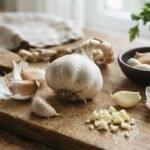
While the mung beans are boiling, prepare the ginisa in a separate pan. Heat cooking oil over medium-high heat in a wide skillet. Add the diced onion and cook, stirring occasionally, for two to three minutes until softened and translucent. Add the minced garlic and continue to sauté for one to two minutes until fragrant and lightly golden. Add the diced tomatoes and cook for three to four minutes, pressing them gently with the back of a spoon to encourage them to break down and release their juices. The tomatoes will reduce into a thick, jammy mixture that forms the sweet and savory core of the ginisa. This sauté base is what gives ginisang munggo its characteristic depth of flavor that sets it apart from simply boiled mung beans.
- Step 3: Cook the Protein
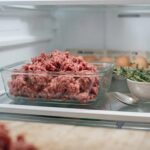
Add the pork belly or ground pork directly to the pan with the tomato-onion-garlic ginisa. Increase the heat to medium-high and cook the pork, stirring frequently, for five to seven minutes until it is fully cooked through and beginning to develop some browning. If using ground pork, break apart any clumps as it cooks to ensure even browning. Season with fish sauce and a pinch of pepper at this point to allow the meat to absorb the seasoning. If using shrimp instead of pork, add them at a later stage as they cook much faster. The pork should be fully cooked, lightly browned, and deeply seasoned before you combine the ginisa with the cooked mung beans.
- Step 4: Combine Ginisa and Mung Beans
Transfer the fully cooked ginisa with pork directly into the pot with the boiled mung beans, or alternatively pour the cooked mung beans into the pan if it is large enough to hold everything. Stir to combine all ingredients thoroughly. The rich, savory ginisa will immediately transform the mung bean broth, deepening its color from pale green-gray to a warm golden-brown and infusing it with the complex, layered flavors of tomato, onion, garlic, and pork. Bring the combined mixture to a gentle simmer over medium heat and cook together for five to seven minutes, stirring occasionally, to allow all the flavors to fully integrate. Taste the broth and adjust with additional fish sauce or salt as needed.
- Step 5: Add the Greens
Add the ampalaya leaves or spinach to the pot and stir gently to submerge them in the hot mung bean soup. Ampalaya leaves — the leaves of the bitter melon vine — are the most traditional addition to ginisang munggo and have a pleasantly mild, slightly bitter flavor that pairs beautifully with the savory, creamy mung bean broth. The leaves will wilt completely within one to two minutes in the hot liquid. If using spinach, it will wilt even faster. Do not overcook the greens — they should retain their vibrant color and a slight fresh quality that provides a counterpoint to the rich, starchy mung bean body. Remove from heat immediately once the leaves are just wilted.
- Step 6: Serve and Garnish
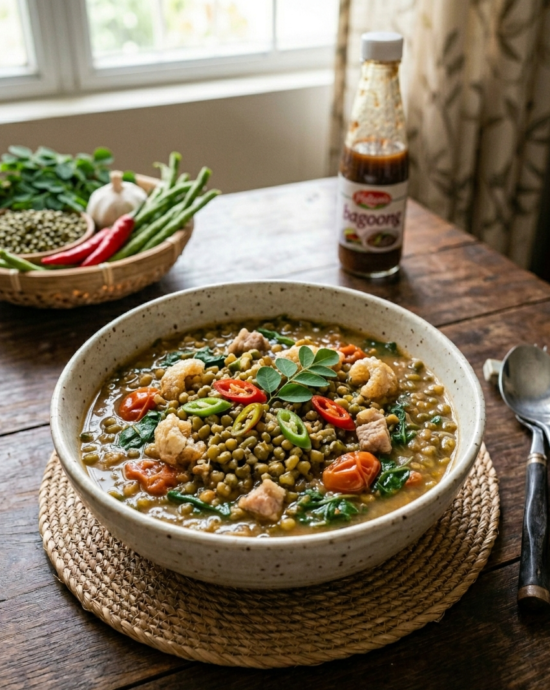
Ladle the finished ginisang munggo into deep bowls, ensuring each serving has a generous ratio of tender mung beans, pieces of flavorful pork, and some of the wilted greens. The soup should be thick, hearty, and deeply colored with a fragrant, savory aroma. If desired, top each bowl with a generous handful of chicharon — pork cracklings — which add an irresistible crunch and additional savory pork flavor that contrasts magnificently with the soft, creamy mung beans below. Serve immediately alongside steamed white rice. Ginisang munggo is a complete, deeply nourishing Filipino meal in a bowl that delivers warmth, comfort, and exceptional flavor from remarkably humble, affordable ingredients.
- Calories:230 kcal12%
- Protein:14 g28%
- Carbohydrates:24 g9%
- Sugar:3 g3%
- Fat:9 g12%
Table of Contents
What Is Ginisang Munggo?
Ginisang munggo is a beloved Filipino mung bean soup made by first boiling dried mung beans until soft and then combining them with a savory ginisa — a sauté of garlic, onion, tomatoes, and pork or shrimp — to create a thick, deeply flavored, utterly comforting soup. It is one of the most widely eaten and culturally significant dishes in Filipino home cooking, appearing on tables across all social classes and in every region of the country. The dish is so embedded in Filipino food culture that it has traditionally been associated with Fridays — a practice rooted in the Catholic tradition of abstaining from meat on Fridays, making munggo the affordable, nourishing, meatless (or reduced-meat) Friday staple in countless Filipino households. Mung beans, called munggo in Filipino, are small green legumes that have been cultivated and eaten across South and Southeast Asia for millennia. They are among the most nutritionally dense foods available, packed with plant-based protein, dietary fiber, folate, iron, magnesium, and potassium. When cooked, dried mung beans develop a naturally creamy, slightly sweet flavor and a thick, porridge-like texture that makes them deeply satisfying as a soup base. The genius of ginisang munggo lies in the ginisa technique — the Filipino sauté of aromatics — which transforms simply boiled mung beans into something rich, layered, and deeply flavorful. The optional garnish of chicharon (pork cracklings) on top is a particularly Filipino touch, adding a textural contrast that makes the dish feel indulgent despite its fundamentally humble nature. Ginisang munggo is a perfect example of how Filipino cuisine achieves extraordinary flavors from the most economical of ingredients.
Ingredient Notes
- Dried Mung Beans (Munggo): Look for green, whole, unbroken dried mung beans with no signs of moisture or insect damage. Older beans take longer to cook and may remain tough. For most recipes, soaking is unnecessary, but a 30-minute soak shortens the cooking time.
- Ampalaya Leaves: The leaves of the bitter melon vine are milder in bitterness than the fruit itself. They are the most traditional leafy addition to ginisang munggo. Look for them at Filipino or Asian wet markets. Baby spinach is the most widely available substitute.
- Chicharon (Pork Cracklings): This traditional topping adds an addictive crunch and intensely savory pork flavor. Buy freshly made chicharon from a wet market for the best texture and flavor. Crumble it coarsely over each bowl just before serving to preserve its crunch.
Ingredient Suggestions
- Shrimp — add peeled shrimp in the last three minutes for a surf-and-turf version popular in coastal Philippine provinces
- Malunggay leaves — a nutritional powerhouse; add a handful at the very end alongside or instead of ampalaya leaves
- Tinapa (smoked fish) — flaked smoked fish added with the ginisa provides a distinctive smoky, savory depth
- Tokwa (firm tofu) — pan-fry and add for extra protein in a lighter, less fatty version
Helpful Tips & Pro Tips
- Don’t salt the beans during boiling. Salt added to legumes before they are fully tender can prevent the outer skin from softening properly, resulting in beans that remain tough and chewy. Only season the dish after combining the ginisa with the cooked beans.
- Mash a few beans for a creamier soup. Once the mung beans are cooked, mash about a quarter of them against the side of the pot with the back of a spoon. This releases starch and creates a much creamier, thicker consistency without adding any additional thickener.
- Why is my ginisang munggo watery? Watery munggo usually results from not simmering the beans long enough for them to split and thicken the broth. Continue cooking until at least half the beans have burst open. You can also mash some beans or add less water to start.
- Add chicharon at the table, never in the kitchen. The moment chicharon contacts liquid it begins to soften. Always serve it on the side or crumble it directly over individual bowls right before eating to preserve its essential crunch throughout the meal.
How to Serve and Store
Serve ginisang munggo hot in deep bowls over or alongside steamed white rice. Top with chicharon just before eating. Fish sauce and calamansi juice on the table allow diners to adjust seasoning and add brightness to their individual bowls. Store leftovers in an airtight container in the refrigerator for up to 3 days. The soup thickens significantly as it cools — add water or broth when reheating and stir well. Ginisang munggo actually reheats beautifully and is an excellent make-ahead dish. Freeze without the greens for up to one month; add fresh greens when reheating.
Substitutions
- Pork belly → Chicken thighs — dice small and brown well in the ginisa for a leaner, equally flavorful protein
- Pork belly → Skip entirely (vegetarian) — the ginisa technique still creates deep flavor without meat
- Fish sauce → Soy sauce — maintains savory saltiness for those avoiding fish-based products
- Ampalaya leaves → Baby spinach or malunggay — both wilt quickly and provide green color and nutrition
- Dried mung beans → Canned mung beans — drain and rinse; add directly to the ginisa, reducing total cooking time significantly
Suggested Recipes
- Sinigang na Baboy — another quintessential Filipino soup that shares the same comforting, everyday appeal as ginisang munggo
- Monggo Guisado with Tinapa — a smoky variation using flaked smoked fish instead of pork for a completely different flavor profile
- Adobong Sitaw — long beans cooked in the classic adobo method; pairs beautifully with ginisang munggo as a vegetable side
- Nilagang Baboy — simple boiled pork soup that is often served alongside ginisang munggo in traditional Filipino family meals
Frequently Asked Questions

Jeff Smith
"Cooking is the intersection of history, science, and emotion."
For me, the kitchen has always been a laboratory of culture. With a background deeply rooted in digital strategy and precision, I approach the culinary arts with the same rigor I apply to the digital landscape—analyzing flavors, perfecting techniques, and documenting the nuance that makes Filipino cuisine truly world-class.
Findme Recipe was born from a desire to bridge the gap between traditional heritage and the modern home cook. Whether it is mastering the perfect balance of acidity in a classic Adobo or simplifying complex regional dishes for everyday kitchens, my mission is to preserve our culinary identity through accessible, data-backed, and delicious content.
I am not just building a database; I am cultivating a community where every Filipino kitchen feels empowered, every ingredient is celebrated, and every family heirloom recipe finds a place to thrive.
Join me as we translate the soul of our islands into recipes for the next generation.