
- Step 1: Sauté the Aromatics
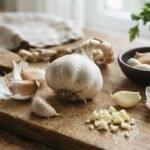
Heat one tablespoon of cooking oil in a medium-sized pan or wok over medium heat. Once the oil is hot and shimmering, add the minced garlic and cook, stirring constantly, for 30 to 45 seconds until the garlic becomes fragrant and just barely golden — the natural sugars in the garlic begin caramelizing at this point, transforming the raw, sharp garlic flavor into a sweeter, more mellow, deeply aromatic quality that forms the flavor backbone of the entire dish. Add the sliced onion to the fragrant garlic and continue sautéing for two to three minutes, stirring occasionally, until the onion is soft, translucent, and beginning to develop a slight golden color at the edges. The kitchen should smell wonderfully of sautéed garlic and onion.
- Step 2: Add Tomatoes and Cook Down
Add the diced ripe tomatoes to the sautéed garlic and onion in the pan. Using the back of a spoon or spatula, press down on the tomato pieces periodically as they cook to help them break down and release their juices more quickly. Cook the tomatoes over medium heat for approximately four to five minutes, stirring and pressing, until they have completely softened and dissolved into a rough tomato sauce with no large chunks remaining. The tomatoes should have released all their liquid, which will have partially evaporated, concentrating the tomato flavor into a rich, slightly thickened base. The natural acidity of the tomatoes provides a bright counterpoint to the richness of the sardines and the sweetness of the caramelized onion.
- Step 3: Add Sardines
Open the cans of sardines and carefully pour the entire contents — fish and sauce — into the pan over the tomato mixture. Using a spoon, gently spread the sardines through the sauce, taking care not to break the fish pieces too aggressively — intact sardine pieces make for a more visually appealing finished dish, though some breaking is inevitable and perfectly acceptable. The canned tomato sauce from the sardines will combine with the fresh tomato-onion-garlic base to create a layered, complex tomato sauce that is significantly more nuanced than either component alone. The canned sauce contributes a cooked, concentrated tomato richness while the fresh tomatoes add brightness and acidity.
- Step 4: Season and Simmer
Add the fish sauce or soy sauce and black pepper to the pan. If using siling haba for a spicier version, add the sliced chilies now. Stir everything gently to combine all the seasonings throughout the dish. Bring the mixture to a gentle simmer over medium heat and cook for three to four minutes, stirring occasionally. Taste the sauce and adjust seasoning — additional fish sauce for saltiness, a pinch of sugar if the tomatoes are particularly acidic, or more black pepper for heat. The sardines will absorb some of the fresh tomato sauce and release their own oils into the pan, creating a deeply unified, richly flavored sauce that is far greater than the sum of its humble pantry-staple parts.
- Step 5: Finish and Garnish
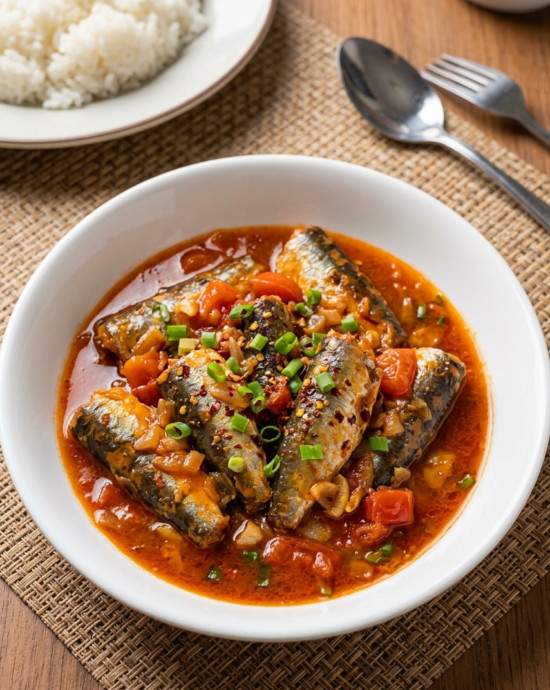
Reduce the heat to low and cook for a final two minutes to allow all the flavors to meld together into a harmonious, cohesive sauce. The finished Ginisang Sardinas should have a thick, glossy, deep red-orange tomato sauce with visible, mostly intact sardine pieces throughout, fragrant with garlic and onion, and deeply savory with the characteristic umami of high-quality canned sardines. Remove from heat. Scatter the freshly chopped green onions over the top — they wilt slightly from the residual heat and add a fresh, mild allium note and vibrant green color contrast to the red sauce. Taste one final time before serving.
- Step 6: Plate and Serve
Transfer the Ginisang Sardinas to a serving plate or bowl — it is traditionally presented as a simple, unpretentious ulam (viand) meant to be eaten directly over steamed white rice. Serve immediately while hot, with the tomato sauce generously coating the rice. Ginisang Sardinas is one of the most beloved 'quick fix' meals in Filipino home cooking — a dish that transforms pantry staples into a genuinely satisfying, nutritious, and flavorful meal in under 15 minutes of active cooking. Serve with extra sliced tomatoes on the side, which can be eaten fresh as a palate cleanser between bites of the richly sauced sardines.
- Calories:280 kcal14%
- Protein:22 g44%
- Carbohydrates:12 g5%
- Sugar:5 g6%
- Fat:16 g21%
- Salt (Sodium):680 mg30%
- Energy:1172 kJ14%
Table of Contents
What Is Ginisang Sardinas?
Ginisang Sardinas is a quick Filipino sautéed sardine dish made by cooking canned sardines in tomato sauce with freshly sautéed garlic, onion, and ripe tomatoes, producing a richly layered tomato-based sauce that transforms an inexpensive pantry staple into a genuinely flavorful and satisfying everyday meal. It is one of the most universally cooked Filipino dishes, present in virtually every household regardless of socioeconomic status.
The dish reflects a core principle of Filipino practical cooking — the ability to elevate accessible, affordable ingredients through the application of basic sautéing technique, fresh aromatics, and an instinctive understanding of flavor balance. Canned sardines are among the most affordable proteins available in Philippine supermarkets and wet markets, and their transformation through the ginisa (sauté) method into a complex, aromatic dish is a testament to Filipino culinary resourcefulness.
The word ‘ginisa’ (also written as ‘gisa’) refers to the fundamental Filipino cooking technique of sautéing aromatics — typically the holy trinity of garlic, onion, and tomato — before adding the main ingredient. This technique appears in dozens of Filipino recipes and is arguably the most important basic skill in Filipino home cooking. Its application to canned sardines is perhaps the most economical and everyday expression of this technique in the national cuisine.
For students, young professionals, budget-conscious families, and anyone in a hurry, Ginisang Sardinas represents the perfect quick meal — nutritious, delicious, ready in under 20 minutes, and requiring only the most basic cooking equipment and pantry staples. It is Filipino comfort food in its purest, most democratic form.
Ingredient Notes
- Canned Sardines in Tomato Sauce: The choice of canned sardines significantly affects the outcome of Ginisang Sardinas. Higher-quality brands like 555, Mega, or CDO Fortified provide better-textured fish and more flavorful tomato sauce bases. Choose sardines in tomato sauce specifically — sardines in oil require additional tomatoes to compensate for the missing sauce.
- Ripe Tomatoes: Using very ripe, almost overripe tomatoes is ideal for Ginisang Sardinas — fully ripe tomatoes have higher natural sugar content and produce a sweeter, more balanced sauce when cooked down. The fresh tomato adds brightness that canned tomato sauce alone cannot provide.
Ingredient Suggestions
- Potato Cubes — Adding small cubed potatoes during the tomato-cooking step creates a heartier, more filling Ginisang Sardinas that can serve as a standalone one-dish meal.
- Boiled Eggs — Halved hard-boiled eggs stirred in during the final minutes absorb the tomato sauce and add protein richness reminiscent of menudo.
- Kangkong Leaves — Adding water spinach leaves at the very end creates a nutritious, one-pan meal with added vegetables.
Helpful Tips & Pro Tips
- Cook the fresh tomatoes down completely before adding the sardines — insufficiently cooked tomatoes produce a raw, sharp sauce that clashes with the sardines’ richness rather than complementing it.
- Do not overcook the sardines after adding them — three to five minutes of simmering is sufficient to heat them through and allow flavor integration; longer cooking breaks them down completely into an unappetizing, mushy texture.
- Adding a pinch of sugar to the tomato base before the sardines helps balance any excessive acidity from unripe tomatoes and creates a more rounded, pleasing sauce.
How to Serve and Store
Ginisang Sardinas is best served immediately while hot over steamed white rice. Leftovers can be refrigerated in an airtight container for up to 2 days and reheated on the stovetop with a small splash of water. The flavors actually improve overnight as the garlic-tomato base mellows and integrates. Freezing is not recommended as the texture of the sardine flesh degrades upon thawing.
Substitutions
- Sardines in Tomato Sauce → Canned Mackerel in Tomato Sauce — A similar canned fish preparation that responds identically to the ginisa treatment.
- Fresh Tomatoes → Tomato Paste + Water — In a pinch, diluting two tablespoons of tomato paste in four tablespoons of water approximates the fresh tomato volume.
- Fish Sauce → Salt — A straightforward substitute that maintains saltiness without the oceanic dimension.
Suggested Recipes
- Tinola na Isda — A fresh fish soup that contrasts Ginisang Sardinas by using fresh fish in a clear, ginger-based broth rather than canned in tomato sauce.
- Tortang Dulong — Another quick, affordable Filipino seafood dish using small fish that can be prepared in similar time to Ginisang Sardinas.
- Burong Isda — For adventurous cooks interested in preserved fish, the fermented Burong Isda represents the more elaborate end of Filipino preserved fish cooking tradition.
Frequently Asked Questions

Jeff Smith
"Cooking is the intersection of history, science, and emotion."
For me, the kitchen has always been a laboratory of culture. With a background deeply rooted in digital strategy and precision, I approach the culinary arts with the same rigor I apply to the digital landscape—analyzing flavors, perfecting techniques, and documenting the nuance that makes Filipino cuisine truly world-class.
Findme Recipe was born from a desire to bridge the gap between traditional heritage and the modern home cook. Whether it is mastering the perfect balance of acidity in a classic Adobo or simplifying complex regional dishes for everyday kitchens, my mission is to preserve our culinary identity through accessible, data-backed, and delicious content.
I am not just building a database; I am cultivating a community where every Filipino kitchen feels empowered, every ingredient is celebrated, and every family heirloom recipe finds a place to thrive.
Join me as we translate the soul of our islands into recipes for the next generation.