
- Soak the sticky rice
Rinse the glutinous rice under cold water until the water runs mostly clear, then submerge it in fresh water and let it soak for at least four hours, or ideally overnight. This long soak is essential for glutinous rice, which won't steam properly to a tender, chewy texture without it.
- Steam the rice
Drain the soaked rice thoroughly and transfer it to a bamboo steamer lined with cheesecloth, or a steamer basket. Steam over boiling water for twenty to twenty-five minutes, until the grains turn translucent and tender, flipping the rice halfway through for even cooking.
- Make the coconut sauce
While the rice steams, combine the coconut milk, sugar, and salt in a small saucepan over low heat, stirring until the sugar fully dissolves. Reserve about a quarter of this mixture separately to drizzle over the finished dish, and keep the rest warm for coating the rice.
- Sweeten the rice
Transfer the hot steamed rice to a bowl and pour the larger portion of warm coconut sauce over it, stirring gently to combine. Let the rice sit and absorb the liquid for about ten to fifteen minutes, during which it will plump up and take on a glossy, rich coating.
- Rest the rice
Cover the bowl and let the sweetened rice rest at room temperature for at least twenty minutes before serving, allowing it to fully absorb the coconut milk and reach its ideal sticky, slightly chewy texture rather than serving it too wet immediately after mixing.
- Plate and garnish
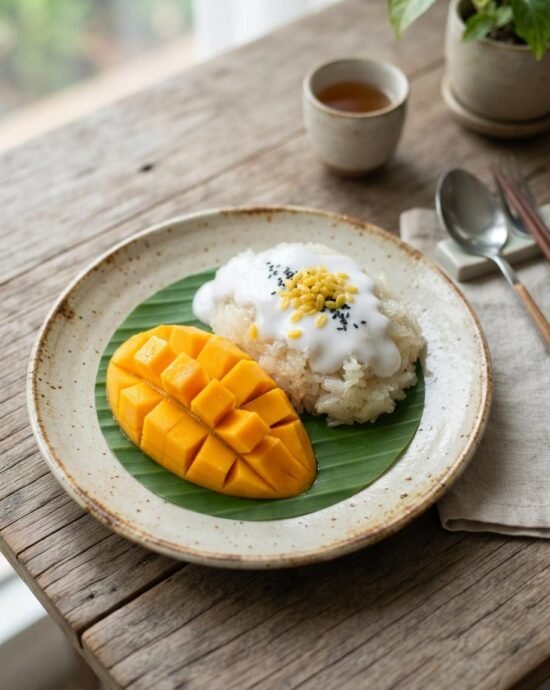
Scoop portions of the sweetened sticky rice onto plates alongside the sliced ripe mango. Drizzle the reserved coconut sauce over the top, then finish with a sprinkle of toasted mung beans and sesame seeds for crunch. Serve at room temperature or slightly warm.
- Calories:385 kcal19%
- Protein:5 g10%
- Carbohydrates:68 g23%
- Sugar:32 g64%
- Energy:1610 kJ19%
- Salt:0.3 g13%
- Fat:11 g14%
What Is Khao Niew Ma Muang?
Khao Niew Ma Muang, known internationally as mango sticky rice, pairs warm, coconut-sweetened glutinous rice with slices of ripe, fragrant mango for one of Thailand’s most iconic and widely loved desserts. The combination of creamy, slightly salty coconut rice against the bright, juicy sweetness of fresh mango has made this dish a fixture on Thai restaurant menus around the world, often serving as many diners’ first introduction to Thai desserts altogether.
The dish is deeply tied to mango season in Thailand, which typically runs from March through June, when the Nam Dok Mai variety reaches peak ripeness and sweetness. During this window, mango sticky rice appears on nearly every street food cart and dessert menu in the country, with vendors competing over the quality and ripeness of their mangoes as much as the rice itself.
Glutinous rice, despite its name, contains no gluten and gets its signature sticky texture from a high concentration of amylopectin starch. Properly prepared, the rice should be tender and slightly chewy, never mushy, with each grain still distinct after steaming and soaking in sweetened coconut milk. The salt in the coconut sauce is not optional, since it sharpens the sweetness and keeps the dish from tasting one-dimensional.
A final drizzle of thick coconut cream and a scatter of toasted mung beans or sesame seeds finishes the dish, adding richness and a bit of crunch against the soft rice and fruit. Simple in concept but exacting in execution, Khao Niew Ma Muang remains a benchmark dish that showcases the balance and restraint at the heart of Thai dessert-making.
Ingredient Notes
- Thai glutinous rice: This specific variety of rice is essential for achieving the dish’s signature sticky, chewy texture. Look for it labeled specifically as glutinous or sweet rice, since regular jasmine rice will not produce the same result.
- Coconut milk: Full-fat coconut milk creates the rich, glossy coating that defines the dish. Shake the can well before opening, since the cream and liquid tend to separate during storage.
- Ripe mangoes: Choose fragrant, slightly soft mangoes like Nam Dok Mai or Ataulfo for the smoothest texture and most pronounced sweetness. A mango that’s still firm and green-tasting will throw off the dish’s balance.
- Salt: A small but essential amount of salt in the coconut sauce sharpens the overall sweetness of the dish. Skipping it results in a flatter, one-dimensional flavor despite using the same amount of sugar.
Ingredient Suggestions
1. Toasted mung beans: Their nutty crunch is a traditional topping that adds textural contrast to the soft rice and fruit.
2. Black sticky rice: Mixing in a portion of black glutinous rice adds visual contrast and a slightly nuttier flavor.
3. Coconut cream drizzle: An extra spoonful just before serving makes the dish feel richer and more indulgent.
4. Toasted sesame seeds: A light sprinkle adds a subtle nuttiness and a bit of crunch against the soft rice.
5. A pinch of pandan extract: Adding a drop to the coconut sauce introduces a fragrant, slightly floral aroma.
Helpful Tips & Pro Tips
- Soak the glutinous rice for at least four hours, and ideally overnight; skipping or shortening this step is the single most common reason the rice turns out hard instead of tender.
- Reserve a portion of the coconut sauce to drizzle on top just before serving, rather than mixing all of it into the rice, which keeps the dish looking glossy and generous.
- Let the sweetened rice rest, covered, for at least twenty minutes after mixing in the coconut sauce; this resting period is what allows the rice to fully absorb the liquid and reach the right texture.
- Don’t skip the salt in the coconut sauce, even though it’s a dessert; that small amount is what keeps the sweetness from tasting flat and one-note.
- Slice the mango just before serving rather than in advance, since cut mango can weep juice and lose some of its vibrant color and firm texture if it sits too long.
How to Serve and Store
Khao Niew Ma Muang is best served at room temperature or slightly warm, with the mango added fresh right before eating. The sweetened sticky rice keeps well covered at room temperature for a few hours, or refrigerated for up to two days, though it will firm up considerably once chilled and should be warmed gently before serving to restore its soft, sticky texture. Keep the coconut sauce for drizzling stored separately, and always slice fresh mango just before plating rather than storing it pre-cut, since it browns and softens quickly once exposed to air.
Substitutions
- Ripe mango → Ripe peach or nectarine slices — These offer a similar juicy sweetness when mango is out of season, though the flavor will be noticeably different. (Budget-Friendly)
- Coconut milk → Light coconut milk — Using a lighter version reduces the richness and calorie density while still delivering the essential coconut flavor.
- Granulated sugar → Coconut sugar or palm sugar — Either alternative adds a deeper, more caramel-like sweetness in place of plain white sugar. (Vegan)
- Thai glutinous rice → Any glutinous or sweet rice variety — Japanese sweet rice or other glutinous rice varieties can work as a substitute, though texture may vary slightly.
- Mung beans → Toasted sesame seeds — A widely available, allergy-friendly alternative that still adds a bit of crunch to the topping. (Gluten-Free)
Suggested Recipes
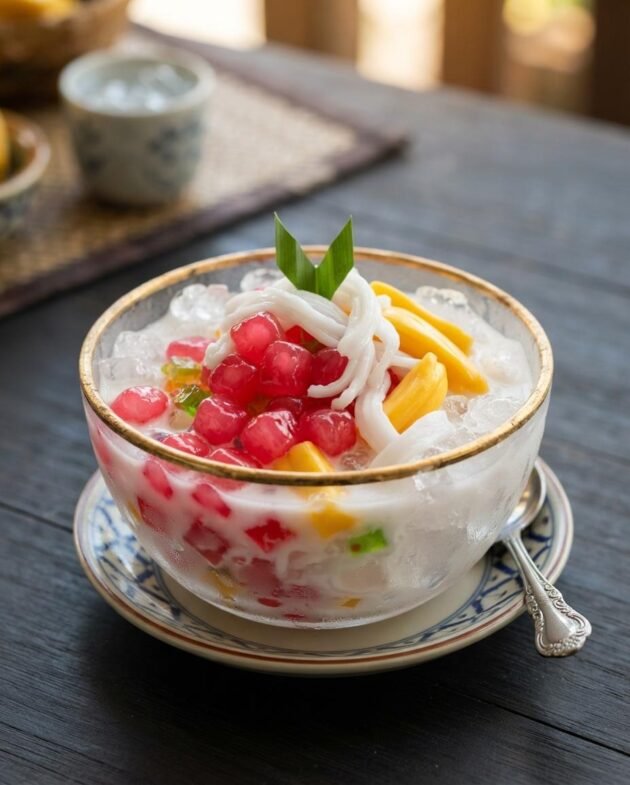
1. Tub Tim Grob: Both are classic Thai coconut-based desserts, making them a natural pairing for a two-dessert sampler platter.
2. Khanom Buang: Serve alongside these crispy pancakes for a mix of textures at the end of a Thai-themed meal.
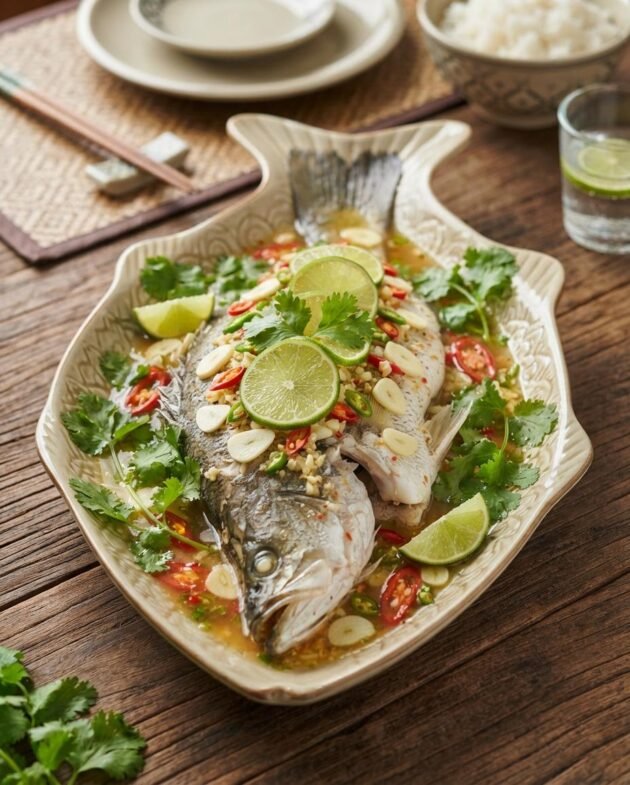
3. Pla Nueng Manao: A cooling, sweet dessert like this one balances beautifully after the bold, sour heat of a classic steamed fish.
4. Moo Ping: Since sticky rice already accompanies Moo Ping, this dessert is a natural extension using the same rice base.

Jeff Smith
"Cooking is the intersection of history, science, and emotion."
For me, the kitchen has always been a laboratory of culture. With a background deeply rooted in digital strategy and precision, I approach the culinary arts with the same rigor I apply to the digital landscape—analyzing flavors, perfecting techniques, and documenting the nuance that makes Filipino cuisine truly world-class.
Findme Recipe was born from a desire to bridge the gap between traditional heritage and the modern home cook. Whether it is mastering the perfect balance of acidity in a classic Adobo or simplifying complex regional dishes for everyday kitchens, my mission is to preserve our culinary identity through accessible, data-backed, and delicious content.
I am not just building a database; I am cultivating a community where every Filipino kitchen feels empowered, every ingredient is celebrated, and every family heirloom recipe finds a place to thrive.
Join me as we translate the soul of our islands into recipes for the next generation.