
- Prepare the fish
Rinse the whole sea bass under cold water and pat it completely dry with paper towels. Using a sharp knife, score the thickest part of the fish on both sides with two or three diagonal cuts about half an inch deep. This allows the steam to penetrate evenly and helps the fish cook through at the same rate as the thinner sections. Season the cavity lightly with a pinch of salt. Place the fish on a heatproof plate with a slight lip to catch the juices that will render out during steaming, since these juices become part of the finished sauce. Set the plate aside while you bring your steamer to temperature, and keep the fish refrigerated until it goes in, especially in warm kitchens.
- Set up the steamer
Fill a wok or steamer pot with about two inches of water and bring it to a rolling boil over high heat. Position a steaming rack or bamboo steamer basket so it sits above the waterline without touching it directly. The water needs to stay at a strong boil throughout cooking to generate enough steam pressure, so check the level periodically and top it up with more boiling water if it runs low rather than cold water, which would slow everything down.
- Steam the fish
Carefully lower the plate with the fish into the steamer and cover tightly with a lid. Steam over high heat for twelve to fifteen minutes, depending on the thickness of the fish, until the flesh turns opaque and flakes easily with a fork near the bone. Avoid lifting the lid repeatedly, since escaping steam extends the cooking time and can leave the fish undercooked in the center. Remove the plate carefully using thick oven mitts, as the accumulated liquid will be extremely hot.
- Make the spicy lime sauce
While the fish steams, combine the minced garlic and Thai chilies in a mortar and pestle, pounding lightly just to release their oils without turning them into a paste. Transfer to a bowl and stir in the fresh lime juice, fish sauce, chicken stock, and palm sugar until the sugar dissolves completely. Taste and adjust, balancing the sourness of the lime against the saltiness of the fish sauce and the background sweetness, since this sauce should hit sour, salty, and spicy in quick succession.
- Assemble and pour the sauce
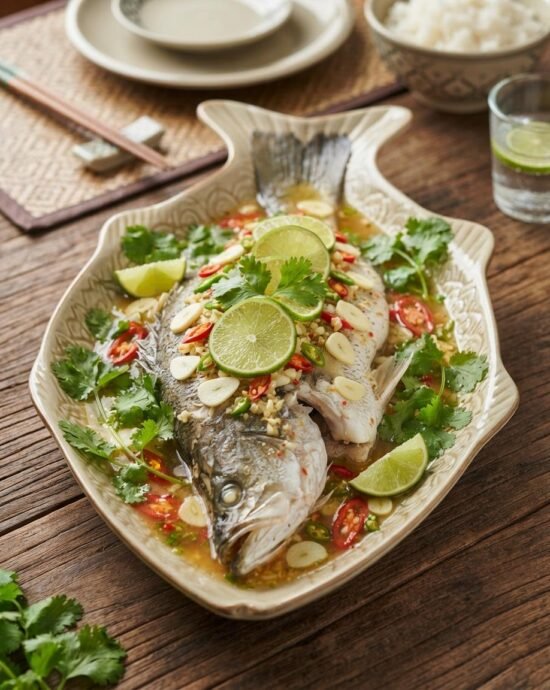
Drain any excess plain water from the fish plate, keeping the flavorful juices that pooled underneath. Scatter the celery pieces over and around the fish, then pour the spicy lime sauce evenly over the top so it seeps into the scored cuts and pools around the base. The residual heat from the fish will lightly wilt the celery and bloom the raw garlic and chili in the sauce.
- Garnish and serve
Finish the dish with a generous scattering of fresh cilantro leaves and arrange the lime slices around the plate. Serve immediately while the fish is still hot, alongside steamed jasmine rice to soak up the sauce. This dish is best eaten the moment it comes off the heat, since the fish continues to firm up as it cools.
- Calories:245 kcal12%
- Protein:34 g68%
- Carbohydrates:9 g3%
- Sugar:4 g8%
- Energy:1025 kJ12%
- Salt:2.1 g91%
- Fat:6 g8%
What Is Pla Nueng Manao?
Pla Nueng Manao is a whole steamed fish bathed in a fiery, tart sauce of lime juice, garlic, and Thai bird's eye chilies, and it stands among the most popular seafood dishes in Thailand. The name translates directly to "fish steamed with lime," which describes the cooking method rather than hinting at the intensity of flavor waiting underneath. Steaming keeps the flesh moist and delicate, while the sauce, poured on at the very end rather than cooked in, delivers a sharp, bracing contrast that wakes up every bite.
The dish traces its character to central Thai cooking, where sour and spicy flavors are prized for cutting through rich, fatty proteins. Freshwater snakehead fish is the traditional choice in Thailand, though sea bass, snapper, and grouper all steam beautifully and are far easier to find outside the region. What makes Pla Nueng Manao distinct from other Thai fish preparations is the almost raw quality of its sauce: the garlic and chilies are only lightly pounded, never fried, so their pungency stays sharp and immediate rather than mellowing into the background.
Balance is everything here. The lime juice needs to taste assertively sour, the fish sauce salty enough to season the entire fish, and the chilies present enough to build real heat without overwhelming the sweetness of the flesh. Restaurants in Bangkok are known for competing over whose version delivers the boldest, most electric sauce.
Beyond its flavor, Pla Nueng Manao is a genuinely healthy way to prepare fish, since steaming requires no added oil and the sauce is built almost entirely from citrus, aromatics, and seasoning. Served with a mountain of steamed jasmine rice, it's a complete meal that showcases why Thai cuisine leans so heavily on the interplay of sour, salty, sweet, and spicy in a single dish.
Ingredient Notes
- Whole sea bass or snapper: The fish is the centerpiece, so freshness matters more than any other ingredient here. Look for clear, bulging eyes, bright red gills, and flesh that springs back when pressed, since a whole fish steams far more evenly and stays juicier than fillets.
- Thai bird's eye chilies: These small chilies deliver the dish's signature heat and are meant to be used generously rather than sparingly. Choose firm, glossy chilies with no soft spots, and remove the seeds if you want to dial back the intensity without losing the flavor.
- Fish sauce: Fish sauce provides the essential salty backbone that balances the sour lime and hot chilies. A good-quality fish sauce, ideally the first-press variety, tastes rounder and less sharply fishy, which makes a noticeable difference in a sauce this simple.
- Fresh lime juice: Freshly squeezed lime juice is non-negotiable, since bottled juice tastes flat and loses the bright, floral top notes that make this sauce sing. Choose limes that feel heavy for their size, which usually means more juice inside.
Ingredient Suggestions
1. Crispy fried garlic: Scatter it over the finished dish for a crunchy contrast to the tender steamed fish and silky sauce.
2. Thai basil leaves: A handful of torn Thai basil adds a peppery, anise-like aroma that pairs beautifully with the sour-spicy sauce.
3. Julienned green mango: Its sharp tartness and crunch echo the flavors of a classic som tam and add textural interest.
4. Extra garlic: Doubling the garlic in the sauce gives the dish an even more pungent, restaurant-style punch.
5. A drizzle of coconut milk: A small amount stirred into the sauce mellows the heat slightly for guests who prefer a gentler bite.
Helpful Tips & Pro Tips
- Score the fish evenly on both sides so it steams at the same rate throughout; an unscored fish often ends up overcooked at the edges while the center near the bone stays underdone.
- Keep the steaming water at a full, rolling boil the entire time. A gentle simmer doesn't generate enough steam pressure and will leave the fish taking far longer to cook through than the recipe suggests.
- Taste the sauce before pouring it over the fish, not after. Once it's on the hot fish it's much harder to adjust, so get the sour-salty-spicy balance right in the bowl first.
- If your finished sauce tastes watery or weak, you likely added too much stock relative to lime juice and fish sauce; add a bit more of both to concentrate the flavor rather than diluting it further.
- Serve the fish the moment it comes off the heat. Steamed fish continues to firm up as it cools, so a fish that seemed perfectly tender at the table can turn rubbery within ten or fifteen minutes.
How to Serve and Store
Pla Nueng Manao is meant to be eaten immediately, straight from the steamer, alongside a mound of steamed jasmine rice that can soak up the extra sauce pooling on the plate. It doesn't hold well as a make-ahead dish, since both the fish and the raw garlic-chili sauce lose their appeal once refrigerated and reheated. If you do have leftovers, store the fish and sauce separately in airtight containers in the refrigerator for up to one day, and reheat the fish gently in a steamer rather than a microwave to avoid drying it out. The sauce itself is best served fresh, though it will keep refrigerated for up to two days if needed.
Substitutions
- Whole fish → Firm tofu steaks — Steam thick slices of firm tofu in place of the fish for a plant-based version that still soaks up the sauce well. (Vegan)
- Fish sauce → Tamari with a pinch of salt — Tamari delivers a similar salty depth without the fish base or the gluten found in some soy sauces. (Gluten-Free)
- Palm sugar → Light brown sugar — Brown sugar is a widely available, budget-friendly stand-in that provides a similar mellow sweetness. (Budget-Friendly)
- Thai bird's eye chilies → Crushed red pepper flakes — Use about half a teaspoon per chili called for for a milder, more accessible level of heat.
- Chicken stock → Vegetable stock — Vegetable stock keeps the sauce vegetarian-friendly while still rounding out the sourness of the lime.
Suggested Recipes
1. Gai Pad Med Mamuang: Another quick, well-balanced Thai dish that pairs nicely on a menu with contrasting textures and milder heat.
2. Moo Ping: For a smoky, grilled counterpart if you want to round out a Thai-themed spread with something off the char grill.
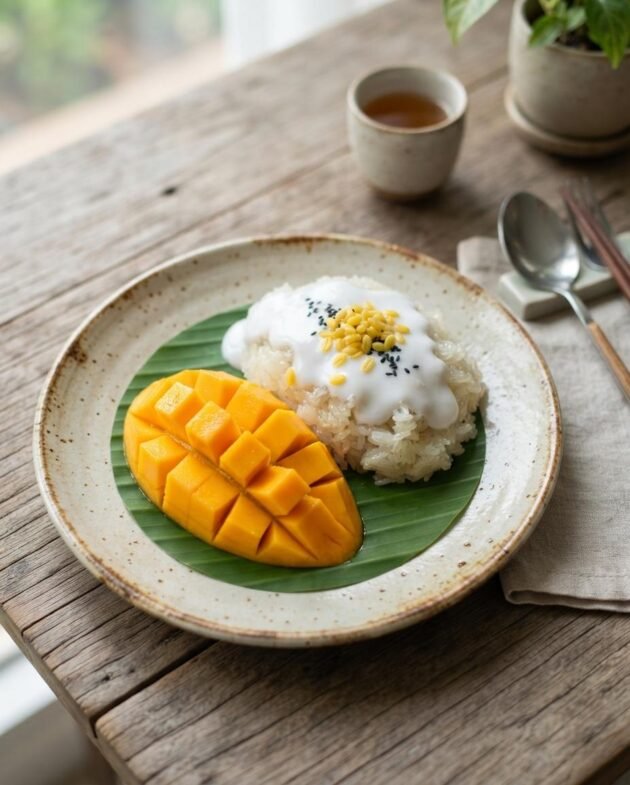
3. Khao Niew Ma Muang: A cooling, sweet mango sticky rice makes a refreshing finish after the bold, spicy flavors of this dish.
4. Boat Noodles: Swap in a bowl of rich noodle soup for a heartier, comfort-food take on a Thai dinner night.

Jeff Smith
"Cooking is the intersection of history, science, and emotion."
For me, the kitchen has always been a laboratory of culture. With a background deeply rooted in digital strategy and precision, I approach the culinary arts with the same rigor I apply to the digital landscape—analyzing flavors, perfecting techniques, and documenting the nuance that makes Filipino cuisine truly world-class.
Findme Recipe was born from a desire to bridge the gap between traditional heritage and the modern home cook. Whether it is mastering the perfect balance of acidity in a classic Adobo or simplifying complex regional dishes for everyday kitchens, my mission is to preserve our culinary identity through accessible, data-backed, and delicious content.
I am not just building a database; I am cultivating a community where every Filipino kitchen feels empowered, every ingredient is celebrated, and every family heirloom recipe finds a place to thrive.
Join me as we translate the soul of our islands into recipes for the next generation.