
- Step 1: Prepare and Julienne All Vegetables
Begin by washing and preparing all your vegetables before any cooking starts — mise en place is especially important for this dish since the filling comes together quickly once the wok is hot. Peel the singkamas and cut into thin matchstick-sized julienne strips about 2 inches long. Shred the cabbage as finely as possible for delicate texture. Julienne the carrots into similarly thin strips so they cook evenly alongside the jicama. Slice the green beans diagonally and as thinly as possible. Rinse the bean sprouts in cold water and drain thoroughly. Arrange all the vegetables in separate bowls near your cooking station. This organized prep ensures nothing overcooks while you're working with the next ingredient. Having everything within reach is essential.
- Step 2: Cook the Pork and Shrimp
Heat two tablespoons of cooking oil in a large wok or wide pan over medium-high heat. Add the minced garlic first and stir constantly for about 30 seconds until it turns golden and fragrant — take care not to burn it, as bitter garlic will affect the entire filling. Add the onion and sauté for 2 minutes until translucent. Add the ground pork or diced pork shoulder and cook for 5–6 minutes, breaking up any large clumps, until the meat is fully cooked through and beginning to brown. Push the pork to the sides of the wok, add the shrimp to the center, and cook for 1–2 minutes per side until pink and curled. Season with fish sauce, salt, and freshly ground black pepper. Stir everything together.
- Step 3: Add the Harder Vegetables First
Once the meat and shrimp are cooked, it is time to add the vegetables in stages based on their density and required cooking time. Add the julienned carrots and green beans first and stir-fry for 2 minutes over high heat, keeping the wok moving to ensure even cooking. Next, add the singkamas and stir-fry for another 2 minutes. The jicama should soften slightly but still retain a pleasant crunch — it should never become mushy. Adjust the heat as necessary, as a properly hot wok will sear the vegetables rather than steam them. Season lightly with a small pinch of salt and a turn of black pepper. The goal at this stage is to build layers of texture and flavor that will be complemented by the garlic peanut sauce at serving time.
- Step 4: Add the Delicate Vegetables and Finish
Add the shredded cabbage and bean sprouts to the wok last, as both cook extremely quickly and will become soggy if overcooked. Toss everything together over high heat for just 1–2 minutes — the cabbage should wilt slightly but still have a fresh bite, and the sprouts should remain crisp and translucent. Taste the filling and adjust seasoning one final time with fish sauce or salt as needed. Remove the pan from heat immediately to prevent carryover cooking from making the vegetables soft. Transfer the filling to a large serving bowl and allow it to cool slightly before serving. The filling should be fragrant, colorful, and appealingly varied in texture — slightly juicy but not watery.
- Step 5: Make the Peanut Sauce
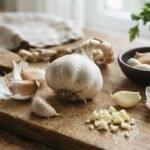
In a small saucepan, combine the peanut butter, soy sauce, brown sugar, and water or vegetable broth over low heat. Whisk continuously until the peanut butter melts fully into the liquid and a smooth, cohesive sauce forms, about 3–4 minutes. Add the vinegar and stir to incorporate. Taste and adjust — add more soy sauce for saltiness, more sugar for sweetness, or more water if the sauce is too thick. The sauce should have a pourable but still moderately thick consistency that coats the back of a spoon. Toast minced garlic in a dry pan until golden and fragrant, then stir into the sauce. This toasted garlic is non-negotiable for authentic flavor. Remove from heat and transfer to a small serving bowl.
- Step 6: Assemble and Serve
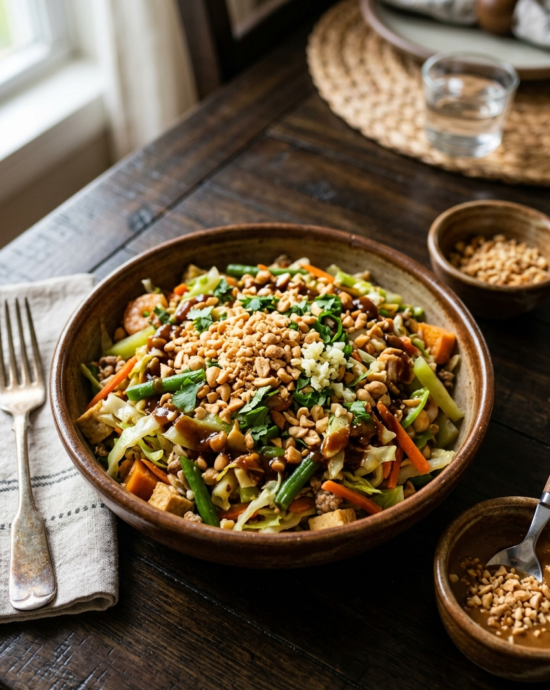
To serve lumpiang hubad, arrange the lettuce leaves on a large platter alongside the warm vegetable and meat filling in a central bowl. Place the peanut sauce in a smaller bowl on the side, along with separate small dishes of crushed toasted peanuts and minced toasted garlic for garnish. Each diner scoops a generous amount of filling into a lettuce leaf — or a piece of steamed white rice if preferred — spoons peanut sauce over the top, and adds a pinch of crushed peanuts and garlic for crunch and aroma. The dish is intentionally a communal, hands-on eating experience. Serve immediately while the filling is still warm and the sauce is at room temperature for the best contrast of textures and temperatures.
- Calories:175 kcal9%
- Protein:13 g26%
- Carbohydrates:14 g5%
- Sugar:7 g8%
- Fat:8 g10%
Table of Contents
What Is Lumpiang Hubad?
Lumpiang hubad is a Filipino deconstructed spring roll dish where the traditional filling of vegetables, pork, and shrimp is served openly — without a wrapper — accompanied by a rich garlic peanut sauce, crushed peanuts, and crisp lettuce leaves for hand-wrapping. The phrase ‘hubad’ means ‘naked’ or ‘without clothes’ in Filipino, which perfectly captures the concept: it is essentially lumpia without its signature wrapper, laid bare and presented as a standalone, sauce-drenched filling. While traditional lumpia shanghai or lumpiang sariwa feature a flour wrapper — whether fried or fresh — lumpiang hubad strips that element away entirely, making it a lighter, lower-carbohydrate, and arguably more flexible dish.
The dish draws from the same culinary DNA as lumpiang sariwa, a popular fresh spring roll variety found throughout the Philippines. Both dishes share similar vegetable fillings and are united by their love of the thick, sweet-savory garlic peanut sauce that is inseparable from either preparation. Lumpiang hubad became especially popular as a low-carb alternative for home cooks and diners who love the flavors of fresh lumpia but prefer to skip the dough wrapper, or who are cooking for guests with gluten sensitivities.
The dish is deeply practical and endlessly customizable. It appears frequently at Filipino family gatherings, potlucks, and fiesta spreads where large quantities can be prepared in advance and served efficiently. The filling itself is a vibrant stir-fry of singkamas, carrots, cabbage, bean sprouts, and proteins — a nutritious combination that delivers fiber, vitamins, and lean protein in every serving. Lumpiang hubad represents Filipino cooking at its most resourceful: rich in flavor, adaptive in form, and deeply communal in spirit.
Ingredient Notes
- Singkamas (Jicama): The crunchy, slightly sweet water chestnut-like root vegetable that gives the filling its signature texture. Choose singkamas that feel firm and heavy, with smooth skin free of soft spots. It adds refreshing crunch that contrasts beautifully with the peanut sauce.
- Peanut Butter: Use a natural, creamy peanut butter with minimal additives for the best sauce. Commercial peanut butter with added sugar can make the sauce overly sweet — balance with extra vinegar if this happens.
- Bean Sprouts (Togue): Fresh mung bean sprouts are ideal. Look for firm, white sprouts with short tails. Avoid any that smell sour or appear slimy. Add them last and cook briefly to preserve their crispness.
- Fish Sauce (Patis): This is the primary seasoning in the filling. Choose a high-quality golden fish sauce for a cleaner flavor. It adds depth and umami without overpowering the vegetables.
Ingredient Suggestions
- Tokwa (Firm Tofu): Cube and pan-fry until golden, then add to the filling for a vegetarian protein boost that also adds a delightful chewy texture.
- Kinchay (Chinese Celery): A small handful of chopped kinchay added to the filling just before removing from heat adds a fresh herbal note that enhances the overall aroma.
- Hoisin Sauce Drizzle: Add a small drizzle of hoisin sauce to the peanut sauce for a more complex, slightly smoky-sweet dimension.
- Hard-Boiled Egg: Slice a hard-boiled egg and serve alongside the filling for additional protein and visual appeal on the serving platter.
Helpful Tips & Pro Tips
- Cook over high heat to avoid watery filling. Too much moisture will result in a soggy, unappetizing lumpia filling. A hot wok creates steam that escapes quickly, keeping the filling dry and flavorful.
- Why is my peanut sauce too thick? Simply add water or broth one tablespoon at a time while whisking over low heat until the desired consistency is reached. The sauce thickens as it cools, so it should look slightly thinner than ideal when hot.
- Prepare the filling up to 4 hours ahead and keep at room temperature. Reheat briefly in the wok over high heat before serving to restore the freshly cooked texture without overcooking the vegetables.
- Toast the garlic for the sauce separately. Toasted garlic adds a nutty, mellow depth that raw garlic cannot replicate. This small step makes an enormous difference in the final flavor of the peanut sauce.
How to Serve and Store
Serve lumpiang hubad immediately after cooking while the filling is warm and the peanut sauce is smooth. Arrange on a platter with fresh lettuce cups for wrapping and small dishes of crushed peanuts and toasted garlic for individual garnishing. The dish pairs beautifully with steamed white rice or as a standalone low-carb meal. Store leftover filling separately from the sauce in airtight containers in the refrigerator for up to 3 days. Reheat the filling in a hot pan for 2–3 minutes before serving. The peanut sauce can be stored refrigerated for up to 5 days — warm briefly and add a splash of water to loosen before use.
Substitutions
- Pork → Firm Tofu or Mushrooms: For a fully plant-based version, use cubed firm tofu pan-fried until golden or a mix of oyster and shiitake mushrooms for meaty texture and umami depth.
- Shrimp → Chicken Breast: Diced chicken breast is an excellent alternative for those avoiding shellfish. Add it after the pork and cook until fully white and cooked through.
- Peanut Butter → Sunflower Seed Butter: For nut allergies, sunflower seed butter creates a remarkably similar sauce in texture and richness without peanuts.
- Fish Sauce → Soy Sauce or Tamari: For a vegetarian or vegan version, substitute fish sauce with soy sauce or gluten-free tamari in equal amounts plus a small pinch of seaweed flakes for oceanic depth.
- Singkamas → Water Chestnuts or Daikon: Canned water chestnuts or finely julienned daikon radish provide the same satisfying crunch as jicama when singkamas is unavailable.
Suggested Recipes
- Lumpiang Sariwa: The fresh spring roll version with a soft crepe wrapper, sharing nearly identical filling ingredients but with a different presentation and eating experience.
- Lumpiang Shanghai: Bite-sized fried spring rolls made with the same pork and vegetable filling, perfect for party platters and appetizers.
- Pancit Bihon: A classic Filipino stir-fried rice noodle dish that uses the same vegetable combination and flavor profile as lumpiang hubad filling.
- Ginisang Monggo: A hearty mung bean soup with similar garlic, onion, and pork aromatics that pairs well with the same rice accompaniment.
Frequently Asked Questions

Jeff Smith
"Cooking is the intersection of history, science, and emotion."
For me, the kitchen has always been a laboratory of culture. With a background deeply rooted in digital strategy and precision, I approach the culinary arts with the same rigor I apply to the digital landscape—analyzing flavors, perfecting techniques, and documenting the nuance that makes Filipino cuisine truly world-class.
Findme Recipe was born from a desire to bridge the gap between traditional heritage and the modern home cook. Whether it is mastering the perfect balance of acidity in a classic Adobo or simplifying complex regional dishes for everyday kitchens, my mission is to preserve our culinary identity through accessible, data-backed, and delicious content.
I am not just building a database; I am cultivating a community where every Filipino kitchen feels empowered, every ingredient is celebrated, and every family heirloom recipe finds a place to thrive.
Join me as we translate the soul of our islands into recipes for the next generation.