
- Step 1: Understand the Three-Layer Structure
Pancit Batil Patung is not cooked in a single step — it is assembled in three distinct layers that are prepared separately and stacked to create the iconic presentation that gives the dish its name. 'Batil' refers to the beaten egg layer at the bottom of the bowl, and 'patung' means 'piled on top,' referring to the meat and vegetable toppings. Understanding this three-layer architecture before beginning is essential to executing the dish correctly. The bottom is a scrambled or fried egg base. The middle is the stir-fried noodles with vegetables. The top is the sautéed meat mixture (carabao, pork, and liver). Each layer is prepared independently and stacked in order in the serving bowl. Prepare all your ingredients — sliced meats, diced vegetables, beaten eggs — before starting to cook, as each layer cooks quickly and demands your full attention during the process.
- Step 2: Prepare the Egg Base (Batil Layer)
The batil layer is the defining feature that makes Pancit Batil Patung unique among all Filipino noodle dishes. Heat a small amount of oil in a wok or skillet over medium heat. Beat two eggs thoroughly with a pinch of salt and a splash of fish sauce. Pour the beaten eggs into the hot pan and scramble gently until just set into large, soft curds — they should still be slightly wet and glossy, not dry. Transfer the scrambled eggs to the bottom of the serving bowl or individual bowls, creating a soft, savory layer that will absorb the flavors of the noodles and toppings placed on top of it. Alternatively, some variations cook the egg as a thin, flat omelet rather than scrambled, then place it at the bottom of the bowl as a solid layer. The egg bottom is what makes each bite of Pancit Batil Patung distinctly richer and more complex than standard Filipino noodle dishes.
- Step 3: Stir-Fry the Noodles
Heat one tablespoon of cooking oil in a large wok over high heat until smoking. Add half the minced garlic and cook for thirty seconds. Add the fresh miki noodles, breaking up any clumps gently. Season with soy sauce and a splash of water to help steam and loosen the noodles if they stick. Toss and stir-fry the noodles constantly over high heat for four to five minutes until they are cooked through, slightly golden at the edges, and coated with the garlic-soy seasoning. Add the shredded cabbage and bean sprouts in the last minute of noodle stir-frying, tossing quickly over high heat just long enough for the vegetables to wilt slightly while retaining their crunch. Taste and season with additional soy sauce, fish sauce, or black pepper as needed. Transfer the stir-fried noodles directly over the egg base in the serving bowl, creating the second layer of Pancit Batil Patung.
- Step 4: Cook the Topping (Patung Layer)
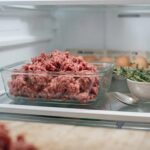
Heat the remaining oil in the same wok over high heat. Add the remaining minced garlic and the diced onions, cooking quickly for one minute. Add the thinly sliced carabao meat or beef in a single layer and let it sear without stirring for sixty seconds to develop a golden crust. Toss and continue cooking for two to three minutes until the beef is mostly cooked through. Add the sliced pork and cook for another two minutes. Add the chicken liver last — it cooks fastest and becomes unpleasantly tough if added too early. Stir-fry the liver with the meats for just two minutes until it changes color throughout. Season the meat mixture generously with oyster sauce, the remaining soy sauce, fish sauce, and black pepper. The seasoned meat mixture should be intensely savory and slightly caramelized from the high-heat cooking. Taste and adjust seasoning.
- Step 5: Stack the Patung and Add Toppings
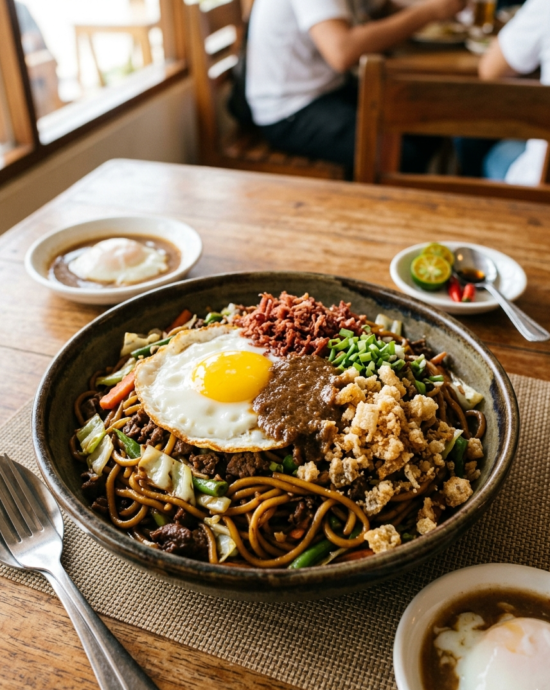
Spoon the hot, seasoned meat mixture directly over the stir-fried noodles in the serving bowl, creating the third and final patung layer. The presentation of Pancit Batil Patung should show three visible layers when viewed from the side: egg at the bottom, noodles in the middle, and meat piled generously on top. In the Cagayan Valley tradition where the dish originates, the patung layer is piled high and generously — the dish is known for its abundance and the visual impact of the stacked presentation. For individual bowls, use the same stacking method, creating complete individual presentations. Fry two additional eggs sunny-side up in a clean pan with a small amount of oil and place one egg on top of each bowl, or one on the shared serving platter, as a final, traditional garnish element.
- Step 6: Finish and Serve with Egg and Calamansi
Finish each serving of Pancit Batil Patung with a fried egg on top — the sunny-side up egg is the crowning visual element that completes the dish's layered aesthetic. The egg yolk, when broken and stirred into the bowl by the diner, creates a rich, golden sauce that flows down through the meat, noodles, and egg layers below, binding everything together into a cohesive, deeply satisfying combination. Scatter sliced spring onions over the fried egg for color and freshness. Place a calamansi half on the side of each bowl — the bright citrus juice is essential to cutting through the richness of the multiple protein layers and egg. Pancit Batil Patung is traditionally eaten by breaking the yolk first, squeezing the calamansi over everything, and then mixing all layers together with chopsticks or a fork before eating.
- Calories:490 kcal25%
- Protein:34 g68%
- Carbohydrates:48 g16%
- Sugar:4 g4%
- Fat:18 g23%
Table of Contents
What Is Pancit Batil Patung?
Pancit Batil Patung is a unique and celebrated regional Filipino noodle dish originating from Cagayan province in the Cagayan Valley region of Northern Luzon. Unlike any other Filipino noodle dish, it is characterized by its distinctive three-layer construction: a scrambled egg (batil) at the bottom of the bowl, stir-fried miki noodles with vegetables in the middle, and a savory meat mixture — traditionally made with carabao (water buffalo) meat — piled generously on top (patung). A fried egg is placed as the final crowning garnish, and the diner breaks the yolk and mixes all layers together before eating. The name itself perfectly describes the dish’s construction: ‘batil’ (beaten egg at the bottom) and ‘patung’ (to pile on top) explain both the cooking technique and the serving style. Carabao meat is the traditional and most authentic protein for the patung layer, reflecting Cagayan Valley’s strong agricultural heritage and the carabao’s historic role as the primary working animal of Filipino farmers. Carabao meat has a slightly gamier, more intensely beefy flavor than domestic cattle and a firmer texture that holds up beautifully to high-heat stir-frying. In areas where carabao meat is unavailable, regular beef is used as a substitute. The dish is largely unknown outside of the Cagayan Valley and its neighboring provinces, making it one of the Philippines’ great undiscovered regional treasures. It has recently gained national attention as Filipino food tourism and culinary heritage preservation movements have brought spotlight to regional dishes. Pancit Batil Patung is an extraordinary example of Filipino culinary creativity: a simple concept — noodles with egg and meat — elevated by innovative layering into something visually dramatic and gastronomically complex.
Ingredient Notes
- Carabao Meat (or Beef) Carabao meat is the authentic protein for Pancit Batil Patung, with a darker color, slightly gamier flavor, and firmer texture than regular beef. Since it can be tough if not sliced very thin, cut it across the grain in two to three millimeter slices. Regular beef (sirloin or tenderloin) is an excellent substitute.
- Fresh Miki Noodles: Fresh miki noodles are thick, round, fresh wheat noodles with a slightly chewy, eggy character. They are the standard noodle for this dish and absorb the soy-garlic seasoning beautifully during stir-frying. Look for them at Filipino markets or Asian grocery stores in the refrigerated section.
- Eggs (Batil Layer) The eggs in Pancit Batil Patung serve two functions: the batil (scrambled egg base) and the final garnish (fried egg on top). Both should be cooked with care — the batil eggs are best when soft-scrambled into large, glossy curds rather than dry and crumbly, and the garnish egg should have a fully set white and a liquid, runny yolk.
Ingredient Suggestions
- Pork Chicharron — Scatter crushed chicharron over the patung layer for additional textural contrast and pork richness.
- Annatto Oil — Stir-fry the meat in annatto-infused oil for a vibrant orange-red color and subtle earthy flavor authentic to Ilocano-influenced Cagayan cuisine.
- Shrimp — Add medium shrimp to the patung layer for a surf-and-turf variation that adds sweetness and color.
- Vinegar Dipping Sauce — Serve with a small bowl of spiced vinegar (sukang iloko) for dipping or pouring over the noodles — a traditional Cagayan condiment accompaniment.
Helpful Tips & Pro Tips
- Prep all three layers’ ingredients before starting to cook any of them. Pancit Batil Patung requires rapid, sequential high-heat cooking, and having everything mise en place (cut, measured, and ready) prevents the crucial mistake of leaving one layer over-cooking while you scramble to prepare another.
- Use the highest possible heat when stir-frying both the noodles and the meat. The characteristic slightly caramelized, slightly smoky flavor of authentic Pancit Batil Patung — what Chinese chefs call ‘wok hei’ (breath of the wok) — is only achievable at very high temperatures with rapid tossing. A lukewarm wok produces steamed rather than stir-fried noodles.
- For the batil egg base, soft-scramble with intention — the egg should be creamy and slightly underdone when placed in the bowl, as the heat from the noodles and meat placed on top will finish cooking it gently. Fully cooked, dry scrambled eggs at the bottom become rubbery and lose their role as a binding, enriching layer.
- Why does my Pancit Batil Patung taste flat? The meat layer (patung) needs aggressive seasoning — carabao and beef are relatively mild and need generous amounts of soy sauce, oyster sauce, and fish sauce to achieve the intensely savory flavor that contrasts with the more neutral noodles below.
How to Serve and Store
Pancit Batil Patung is served as assembled, with the three layers visible and the fried egg prominently on top. Diners traditionally break the yolk, squeeze calamansi over the bowl, and mix all layers together before eating. It is a one-bowl meal that does not typically require additional rice, though in Cagayan province it is sometimes served alongside garlic fried rice for extra heartiness. Store leftover components separately if possible; assembled Pancit Batil Patung should be consumed within one day as the layers absorb into one another and the eggs become dry.
Substitutions
- Carabao meat → Lean beef sirloin — The most direct and widely available substitute, sliced thin across the grain.
- Chicken liver → Beef liver — Stronger in flavor but similar in function, sliced very thin to ensure quick, even cooking.
- Fresh miki noodles → Yakisoba noodles — Japanese yakisoba provides a similar thick, chewy wheat noodle character.
- Bean sprouts → Julienned carrots — Provides similar vegetable bulk and crunch for those who dislike bean sprouts.
- Fish sauce → Worcestershire sauce — Adds a similar umami-salty depth with a slightly different flavor profile.
- Eggs (batil) → Silken tofu scramble (vegan) — Crumbled silken tofu seasoned with nutritional yeast and turmeric creates a plant-based batil layer.
Suggested Recipes
- Pancit Bihon — The nationwide Filipino rice vermicelli stir-fry that represents the most widely eaten Filipino noodle dish.
- Pancit Cabagan — Another Cagayan Valley noodle dish featuring wide rice noodles with a uniquely regional flavor profile.
- La Paz Batchoy — Another intensely layered Filipino noodle bowl that rewards learning proper assembly technique.
- Arroz Caldo — A warming Filipino rice porridge that, like Pancit Batil Patung, features the classic pairing of rice/noodles with egg garnish.
Frequently Asked Questions

Jeff Smith
"Cooking is the intersection of history, science, and emotion."
For me, the kitchen has always been a laboratory of culture. With a background deeply rooted in digital strategy and precision, I approach the culinary arts with the same rigor I apply to the digital landscape—analyzing flavors, perfecting techniques, and documenting the nuance that makes Filipino cuisine truly world-class.
Findme Recipe was born from a desire to bridge the gap between traditional heritage and the modern home cook. Whether it is mastering the perfect balance of acidity in a classic Adobo or simplifying complex regional dishes for everyday kitchens, my mission is to preserve our culinary identity through accessible, data-backed, and delicious content.
I am not just building a database; I am cultivating a community where every Filipino kitchen feels empowered, every ingredient is celebrated, and every family heirloom recipe finds a place to thrive.
Join me as we translate the soul of our islands into recipes for the next generation.