
- Step 1: Prepare the Pork and Aromatics
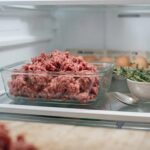
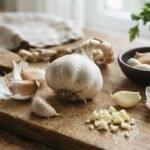
Begin by gathering and prepping all your ingredients before heating the pan — this dish moves fast once it starts. Slice the pork belly into thin, bite-sized strips approximately half a centimeter thick to ensure quick, even cooking. Cut the pork liver into similar-sized strips and set aside separately, as it will be added later. Mince the onion and garlic finely to create a fragrant base. Dissolve the annatto powder in warm water and stir until fully combined; this will give the dish its signature deep orange-red hue. Season the pork belly with a light pinch of salt and pepper. Pat the shrimp dry with paper towels to promote better searing and prevent excess moisture from steaming the other ingredients in the wok.
- Step 2: Sauté the Base and Cook the Proteins
Heat vegetable oil in a large wok or heavy-bottomed skillet over high heat until shimmering. Add the minced garlic and onion and sauté for about two minutes, stirring constantly, until the onion turns translucent and the garlic is fragrant and lightly golden — take care not to burn the garlic as this will make the dish bitter. Add the pork belly strips to the wok and cook for five to six minutes, stirring frequently, until the pork is browned on all sides and just cooked through. Push the pork to the sides of the wok, then add the shrimp to the center. Cook the shrimp for two minutes per side until they turn pink and curl. Remove the shrimp and set aside to prevent overcooking while you continue building the dish's flavors.
- Step 3: Cook the Liver and Build the Sauce
Add the pork liver strips to the wok with the browned pork belly, stirring quickly over high heat. Cook the liver for just two to three minutes — overcooked liver turns rubbery and grainy, so you want the centers still slightly pink for the best texture. Pour in the soy sauce and oyster sauce, tossing everything together to coat evenly. Add the annatto water to the wok, watching as the liquid takes on its striking reddish-orange color. Stir well to combine, allowing the annatto to fully coat the proteins and infuse the sauce. Pour in the pork broth and bring the mixture to a steady simmer. Taste the sauce at this point and adjust the seasoning with salt and pepper as needed before adding the noodles.
- Step 4: Add the Noodles and Toss to Coat
Add the fresh miki noodles directly into the wok, using tongs or chopsticks to gently separate and loosen the strands as you place them into the sauce. Toss the noodles vigorously to coat every strand in the rich, deeply colored annatto broth. If the noodles appear too dry or begin sticking together, add an additional splash of pork broth, a few tablespoons at a time, until the noodles are silky and well-coated but not soupy. Cook the noodles over medium-high heat for three to four minutes, continuing to toss and stir to prevent sticking. The noodles should absorb most of the sauce and become fully tender but retain a slight chewiness. Return the reserved shrimp to the wok during the last minute of cooking and fold gently to combine.
- Step 5: Add Vegetables and Final Seasoning
Once the noodles are cooked through and richly coated in sauce, add the bean sprouts to the wok. Toss quickly over high heat for just one minute — you want the sprouts to soften slightly while retaining their satisfying crunch. Fold in half of the chopped green onions, reserving the rest for garnish. Give the entire dish a final taste and adjust the seasoning with additional soy sauce, salt, or a crack of black pepper as desired. The flavors should be savory, slightly sweet from the oyster sauce, and deeply umami with a hint of earthiness from the annatto. Remove the wok from the heat immediately once seasoning is balanced to prevent the noodles from overcooking and the sprouts from going limp.
- Step 6: Plate, Garnish, and Serve
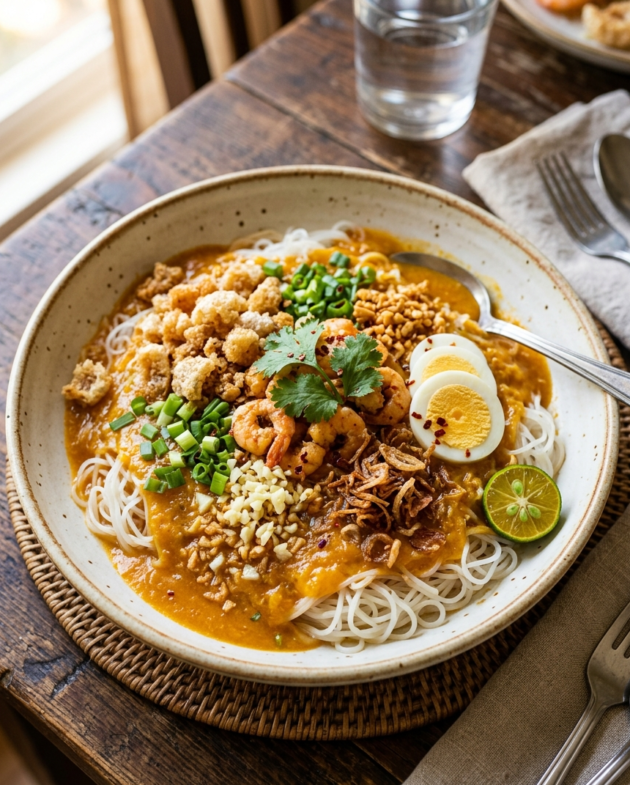
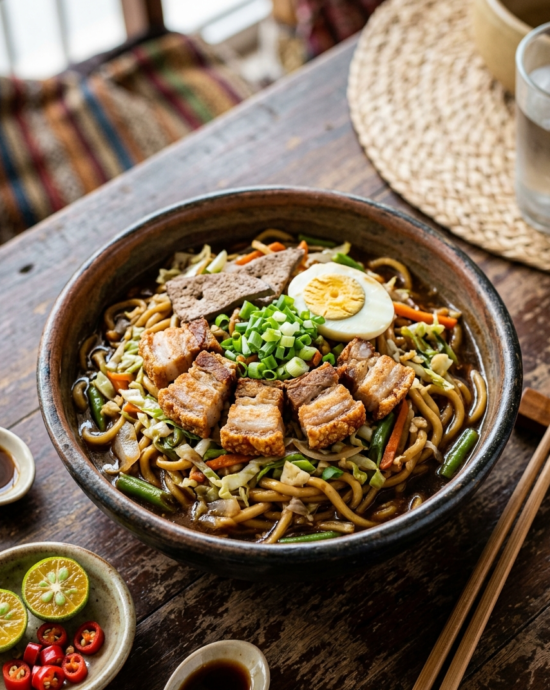
Transfer the Pancit Cabagan to a large serving platter or individual plates, twisting the noodles slightly as you plate to create visual height and texture. Arrange the sliced hard-boiled eggs around the perimeter of the dish for a classic presentation that also adds richness and protein to each serving. Scatter generous pieces of chicharron over the top of the noodles, as the crunchy pork rinds are the defining textural contrast that makes Pancit Cabagan unique among Filipino noodle dishes. Sprinkle the remaining green onions over everything for freshness and color. Place the calamansi halves on the side — guests should squeeze the juice directly over their serving, as the bright citrus acidity cuts through the richness and elevates every bite.
- Calories:480 kcal24%
- Protein:28 g56%
- Carbohydrates:45 g15%
- Sugar:3 g3%
- Energy:2008 kJ24%
- Fat:19 g26%
Table of Contents
What Is Pancit Cabagan?
Pancit Cabagan is a distinctive Filipino noodle dish originating from Cabagan, a municipality in Isabela province in the Cagayan Valley region of Northern Luzon. Unlike many of its counterparts found across the Philippine archipelago, this dish is defined by its use of thick, fresh miki noodles stained deep reddish-orange with annatto, also known locally as achuete, a natural coloring agent derived from the seeds of the achiote tree. The noodles are sautéed with a combination of pork belly, pork liver, and shrimp in a savory sauce built from soy sauce, oyster sauce, and rich pork broth, then finished with bean sprouts and chopped green onions for freshness. What truly sets Pancit Cabagan apart from other pancit varieties is its crowning topping: generous pieces of chicharron, or deep-fried pork rinds, which add an irresistible salty crunch that contrasts beautifully with the soft, cheesy noodles beneath. The combination of silky miki noodles, tender proteins, and crackling chicharron has made this dish a beloved celebration food in Isabela, served at fiestas, family gatherings, and special occasions throughout the region. The flavor profile is boldly savory and umami-forward, with layers of earthiness from the annatto, depth from the pork liver, and a bright, citrusy finish from calamansi squeezed tableside. Though it remains relatively unknown outside of Cagayan Valley, food travelers and culinary enthusiasts who discover Pancit Cabagan invariably describe it as one of the most satisfying and memorably unique noodle dishes in all of Filipino cuisine.
Ingredient Notes
- Fresh Miki Noodles: Fresh miki noodles are thick, round wheat flour noodles with a firm, chewy texture that holds up well to the rich, heavy sauce. Look for noodles that are springy when pressed, uniformly pale yellow, and free from any sour or off-putting smell at your local Asian market.
- Pork Liver: The best pork liver for Pancit Cabagan is deep reddish-brown, firm to the touch, and has a clean, slightly metallic smell — avoid any that appear grayish or excessively wet. Soaking the sliced liver in milk for 15 minutes before cooking significantly reduces its bitterness and results in a milder, more approachable flavor.
- Annatto (Achuete) Powder: Annatto powder is the essential ingredient that gives Pancit Cabagan its iconic color and a subtle, peppery, nutty undertone. Choose a bright orange-red powder with no clumping, as this indicates freshness and will deliver the most vibrant color to the finished dish.
- Chicharron: For the best chicharron topping, buy freshly made pork rinds from a local chicharon stall or specialty store the day you plan to cook. Stale chicharron loses its crunch quickly, so add it to the dish at the last possible moment before serving to maintain the satisfying contrast of textures.
Ingredient Suggestions
- Crispy Tofu — Add cubed and pan-fried tofu for extra protein and a chewy texture that absorbs the annatto sauce beautifully.
- Squid Rings — Lightly floured and sautéed squid rings add a seafood depth and satisfying chew that complements the shrimp.
- Cabbage — A handful of shredded cabbage added with the bean sprouts contributes sweetness, volume, and additional crunch.
- Fish Sauce (Patis) — A small drizzle of fish sauce in the sauce instead of or alongside soy sauce adds a distinctly Filipino depth of flavor.
Helpful Tips & Pro Tips
- Do not overcook the pork liver — two to three minutes over high heat is all it needs. Overcooked liver becomes grainy, chalky, and unpleasantly bitter, which will negatively affect the entire dish.
- Use a wok over the highest heat available to you. High heat ensures the pork browns properly, the shrimp sear rather than steam, and the noodles develop a subtle toasty quality rather than turning mushy.
- If your fresh miki noodles are refrigerator-cold, bring them to room temperature before adding to the wok. Cold noodles drop the pan temperature dramatically, causing everything to steam and clump rather than sauté.
- Always add the chicharron at the very last moment — even sixty seconds in a humid sauce will turn the crispy pork rinds soggy, eliminating the textural contrast that defines this dish.
- Why is my Pancit Cabagan dry? This usually means the heat was too high for too long after the noodles were added. Keep a small cup of warm pork broth nearby and add it in small splashes to loosen the noodles without making the dish soupy.
How to Serve and Store
Pancit Cabagan is best enjoyed immediately after cooking, while the chicharron topping is still crispy and the noodles are at their silkiest. Leftovers can be stored in an airtight container in the refrigerator for up to two days, though the chicharron will soften and should be replaced with fresh pieces when reheating. Reheat in a wok or skillet over medium heat with a splash of pork broth to restore moisture, or microwave in 30-second intervals until warmed through. This dish is not recommended for freezing, as the noodles become mushy and the bean sprouts deteriorate upon thawing.
Substitutions
- Fresh Miki Noodles → Fresh Udon Noodles — similar thickness and chewiness; available at most Asian grocery stores.
- Pork Liver → Chicken Liver — milder in flavor and more widely accepted; cook for the same amount of time.
- Pork Belly → Chicken Thighs (boneless) — a leaner alternative that still provides rich flavor; gluten-free friendly.
- Soy Sauce → Coconut Aminos — a lower-sodium, gluten-free alternative with a slightly sweeter profile.
- Chicharron → Toasted Breadcrumbs — a budget-friendly topping that still provides a satisfying crunch.
- Shrimp → Firm Tofu — for a vegan version, press and cube extra-firm tofu and pan-fry until golden before adding.
Suggested Recipes
- Pancit Malabon — another rich, annatto-colored noodle dish with a thick, seafood-forward sauce and an equally impressive array of toppings.
- Pancit Canton — a classic Filipino stir-fried noodle dish using thinner egg noodles that makes for a quicker weeknight version of this festive dish.
- Dinuguan — a savory Filipino pork offal stew that uses the same pork liver and belly combination in a completely different, bold presentation.
- Palabok — a saucy, shrimp-topped noodle dish that shares the annatto coloring tradition and celebratory spirit of Pancit Cabagan.
Frequently Asked Questions

Jeff Smith
"Cooking is the intersection of history, science, and emotion."
For me, the kitchen has always been a laboratory of culture. With a background deeply rooted in digital strategy and precision, I approach the culinary arts with the same rigor I apply to the digital landscape—analyzing flavors, perfecting techniques, and documenting the nuance that makes Filipino cuisine truly world-class.
Findme Recipe was born from a desire to bridge the gap between traditional heritage and the modern home cook. Whether it is mastering the perfect balance of acidity in a classic Adobo or simplifying complex regional dishes for everyday kitchens, my mission is to preserve our culinary identity through accessible, data-backed, and delicious content.
I am not just building a database; I am cultivating a community where every Filipino kitchen feels empowered, every ingredient is celebrated, and every family heirloom recipe finds a place to thrive.
Join me as we translate the soul of our islands into recipes for the next generation.