
- Step 1: Prepare and Season the Pork

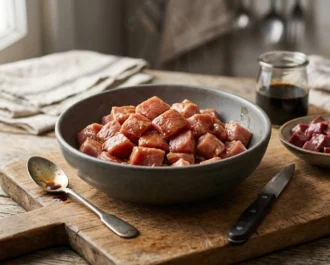
Cut the pork shoulder or belly into uniform small cubes of approximately 1.5 to 2 centimeters — smaller than the cubes used in adobo or humba, as menudo is a finer-textured dish where all components are diced to comparable sizes for a cohesive eating experience. Season the pork cubes with soy sauce, tossing to coat thoroughly. Allow to rest for 10 minutes while you prepare the other ingredients. Cut the pork liver into similar-sized cubes — smaller than the pork cubes if anything, as liver overcooks quickly and smaller pieces are more forgiving to manage. Set the liver aside separately from the pork; it will be added much later in the cooking process to prevent it from becoming grainy, dry, and bitter from extended heat exposure. Uniform dicing of all components is the foundational preparation step for beautiful, well-made menudo.
- Step 2: Brown the Pork
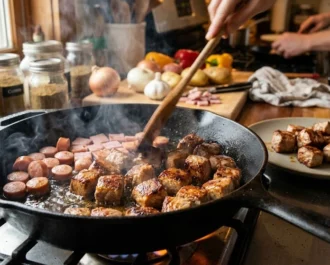
Heat the cooking oil in a large, wide pan over medium-high heat. Add the seasoned pork cubes in a single layer and sear for 3 to 4 minutes, stirring occasionally, until lightly golden on multiple sides. This browning step creates roasted, savory complexity in the pork that prevents menudo from tasting flat and one-dimensional despite its relatively short overall cooking time. Remove the browned pork from the pan and set aside. In the same pan, add the Vienna sausage rounds and sliced ham and cook for 2 to 3 minutes, stirring, until they develop light golden edges. The Vienna sausages release their fat-soluble flavors into the pan during this brief browning, while the ham develops caramelized edges that add textural interest. Remove and set aside with the pork. Keeping these three meat components pre-browned separately produces a significantly more complex and layered finished menudo.
- Step 3: Build the Tomato Base
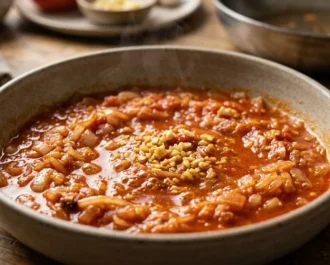
In the same pan with all the rendered drippings from the meats, reduce the heat to medium. Add the finely chopped onions and cook, stirring occasionally, for 3 minutes until softened and lightly translucent. Add the minced garlic and stir for 1 minute until golden and deeply fragrant. Pour in the tomato sauce and stir to incorporate it with the aromatic base, scraping up any browned bits from the bottom of the pan. Add the fish sauce and water or pork broth, stirring to combine everything into a unified sauce. The tomato sauce forms the flavor backbone of pork menudo — its natural sweetness and acidity balance the richness of the pork fat and liver beautifully, while its body gives the finished sauce the coating consistency that distinguishes menudo from a thin stew.
- Step 4: Simmer the Pork and Vegetables
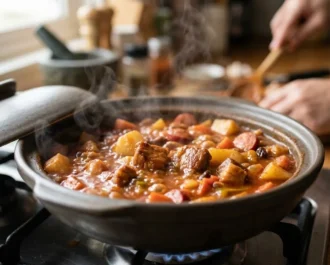
Return the browned pork cubes to the tomato sauce and stir to coat. Add the diced potatoes and carrots to the pan and stir everything gently to combine. Bring the sauce to a gentle simmer over medium heat, then reduce to medium-low, cover partially, and cook for 15 to 18 minutes, stirring occasionally, until the potatoes are tender when pierced with a fork and the pork is completely cooked through. The potatoes serve a dual role in menudo — they absorb the tomato sauce and become deeply flavored while simultaneously releasing some starch that slightly thickens the sauce. Check the seasoning at the halfway point and adjust with soy sauce, fish sauce, salt, and black pepper. Add the raisins if using — their sweetness complements the tomato sauce beautifully and adds a distinctively Filipino sweet-savory dimension.
- Step 5: Add the Liver, Sausages, and Ham
Once the potatoes are tender and the pork is fully cooked, add the Vienna sausages and sweet ham back to the pan, stirring them into the sauce. Cook for 2 minutes to heat them through. Add the diced pork liver last — liver added at this final stage will be cooked through in exactly 3 to 4 minutes while remaining tender rather than dry. Stir the liver gently through the sauce, ensuring the pieces are submerged. Cook for 3 minutes, tasting the sauce once during this time. The liver is done when it is just cooked through — still slightly pink in the absolute center or just fully opaque throughout, depending on preference. Overcooked liver becomes grainy and bitter; pulling it from heat at the moment it turns just fully opaque produces the tenderest, most pleasant liver texture possible.
- Step 6: Add Bell Pepper, Peas, and Serve
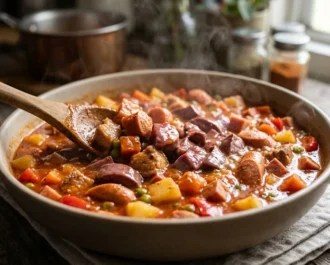
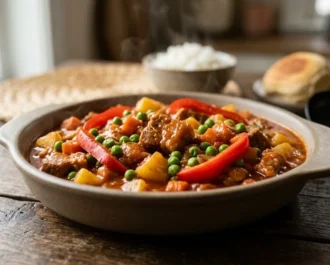
Add the diced red bell pepper and green peas to the pan and stir gently through the sauce. Cook for 2 to 3 minutes — just long enough to warm the peas through and soften the bell pepper very slightly while preserving its vibrant red color, natural sweetness, and pleasant crunch. The bell pepper and peas are deliberate late additions; their bright colors transform menudo from a monochrome brown stew into a beautifully colorful, festive-looking dish. Taste the finished menudo one final time and adjust the seasoning with salt, pepper, or additional fish sauce as needed. The sauce should be rich, glossy, sweet-savory, and generously coating every piece of meat and vegetable. Serve immediately and piping hot over steaming white rice or alongside fresh pandesal rolls.
- Calories:400 kcal20%
- Energy:1,674 kJ20%
- Protein:24 g48%
- Carbohydrates:20 g7%
- Sugar:7 g8%
- Fat:22 g28%
- Salt:1.2 g20%
Table of Contents
What Is Pork Menudo?
Pork menudo is a Filipino tomato-based pork stew made with diced pork, pork liver, Vienna sausages, sweet ham, potatoes, carrots, bell pepper, and green peas — a richly flavored, colorfully vibrant celebration dish that occupies a cherished place in Filipino festive cooking alongside afritada, caldereta, and mechado in the family of Spanish-influenced Filipino tomato stews. The name derives directly from the Spanish word menudo, meaning “small” or “minute” — a reference to the characteristic fine dice of all ingredients that distinguishes Filipino menudo from coarser-cut tomato braises. This uniform, small-dice presentation gives menudo its distinctive appearance and ensures that every bite contains a harmonious mixture of all the dish’s components simultaneously.
Filipino pork menudo is not to be confused with Mexican menudo — a completely different dish made from beef tripe in a chile-based broth. The Filipino version is entirely its own creation, bearing the same Spanish name but representing a completely different culinary tradition. Like most Filipino tomato-based dishes, pork menudo traces its roots to the Spanish colonial period, when tomatoes, bell peppers, and European cooking techniques were introduced to the archipelago and were gradually incorporated into the existing Filipino culinary framework.
What makes Filipino pork menudo so particularly beloved is the combination of textures and flavors packed into its small, uniform dice — tender pork, silky liver, sweet Vienna sausages, savory ham, creamy potatoes, crisp carrots, jewel-toned bell pepper, and sweet peas all unified by the rich tomato sauce and frequently seasoned with raisins for the characteristic Filipino sweet-savory finish. It is comfort food and celebration food simultaneously — hearty enough for everyday family dining, colorful and generous enough to anchor a fiesta table.
Ingredient Notes
- Pork Shoulder or Belly: Pork shoulder (kasim) is the preferred cut for menudo because its moderate fat content produces tender, flavorful cubes that hold their shape through the simmering without becoming waterlogged or dissolving into the sauce. Pork belly can be used for a richer result; either way, cut into uniform 1.5 to 2 cm cubes for the characteristic menudo dice.
- Pork Liver: The most technically demanding ingredient in pork menudo — liver overcooks in minutes and becomes grainy, dry, and unpleasantly bitter when subjected to extended heat. Add it in the final 3 to 4 minutes of cooking only, and pull the dish from heat the moment the liver is just cooked through. Look for fresh, bright reddish-brown liver with no gray or greenish discoloration, which indicates age.
- Vienna Sausages: The beloved Filipino comfort ingredient that adds a mildly sweet, smooth textural contrast to the diced pork and liver. They should be sliced into rounds rather than diced so they remain visually distinct in the finished dish. Look for firm, fully cooked Vienna sausages rather than raw or fresh sausages, which require significantly longer cooking.
- Tomato Sauce: The sauce forms the flavor backbone and visual character of menudo. Use pure, unseasoned tomato sauce — Del Monte or Hunt’s brand are the most widely used in Filipino cooking. Avoid tomato sauce with added Italian herbs, which clash with the dish’s Filipino flavor profile.
- Potatoes: Small, uniformly diced potatoes absorb the tomato sauce during simmering and become deeply flavored while simultaneously releasing starch that slightly thickens the sauce to a glossy, coating consistency. Waxy varieties hold their shape better than floury ones; avoid overcooked potatoes that break down into the sauce.
Ingredient Suggestions
- Raisins — A tablespoon of plump raisins added during the simmering stage adds the characteristic Filipino sweet-savory dimension that makes menudo feel distinctly celebratory and festive; do not skip if aiming for the most traditional flavor.
- Chorizo de Bilbao — Sliced and added alongside the Vienna sausages, Spanish chorizo contributes a smoky, paprika-enriched depth that elevates menudo significantly toward the festive range.
- Queso de bola or cheddar cheese — A tablespoon stirred into the finished sauce creates a creamy, slightly tangy richness particularly loved by children and in many Luzon regional versions.
- Chicken liver — A milder, more delicately flavored substitute or supplement to pork liver; it requires the same late-addition technique but overcooks even faster, so monitor closely.
- Chickpeas — A half cup of drained canned chickpeas added with the potatoes adds a plant protein element and a pleasantly creamy, nutty texture that complements the tomato base beautifully.
Helpful Tips & Pro Tips
- Add the liver last — always. Pork liver added at the beginning of the cooking process will be irreversibly overcooked, grainy, and bitter by the time the other ingredients are ready. Add it in the absolute final 3 to 4 minutes and monitor closely — pull from heat the moment the liver is just cooked through for the tenderest, most pleasant result.
- Dice uniformly for the best texture and presentation. Menudo’s character depends on the uniform small dice of all components — large irregular pieces create a dish that looks more like a rough stew than the carefully considered preparation that defines authentic menudo. Take the time to dice everything to a consistent 1.5 to 2 cm cube before beginning to cook.
- Why is my pork menudo sauce too watery? Thin menudo sauce is caused by too much water or broth added to the tomato sauce, or by not reducing the sauce sufficiently. Remove the lid and increase the heat to medium for the final 5 minutes of cooking, simmering uncovered until the sauce thickens to a rich, glossy, coating consistency.
- Add bell pepper and peas at the very end. Both bell pepper and green peas lose their vibrant color, sweetness, and appealing texture if added too early. They need only 2 to 3 minutes of cooking — their role is as much visual and textural as it is flavorful. Late addition preserves all three qualities simultaneously.
- Brown the meats separately before combining. Pre-browning the pork, Vienna sausages, and ham separately before building the sauce adds layers of roasted, caramelized flavor complexity that are impossible to develop after the tomato sauce is added. This extra 10 minutes at the beginning produces a dramatically more flavorful finished menudo.
How to Serve and Store
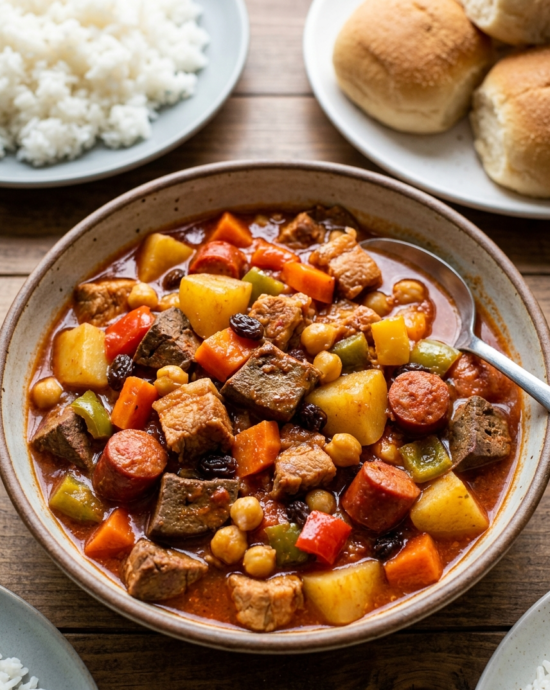
Serve pork menudo immediately over steaming white rice or alongside warm, fresh-baked pandesal rolls — the thick tomato sauce makes it ideal for bread dipping. Its colorful appearance, with red bell pepper, green peas, and golden Vienna sausage rounds visible in the sauce, makes it a visually festive dish for both everyday family meals and celebration spreads. Serve in a deep bowl or family-style from a wide platter.
Store leftover pork menudo in an airtight container in the refrigerator for up to 3 days. The sauce thickens upon chilling but returns to the correct consistency when reheated gently on the stovetop with a small splash of water. Menudo freezes reasonably well for up to 6 weeks — the liver’s texture degrades slightly upon freezing and reheating, so menudo intended for freezing is best made with the liver omitted and added fresh when reheating.
Substitutions
- Pork liver → Chicken liver — A milder, more widely accepted substitute with comparable flavor; requires even shorter cooking time — 2 minutes maximum.
- Vienna sausages → Cocktail franks or smoked chicken sausage — Comparable mild sausage substitutes with similar flavor profiles.
- Sweet ham → Luncheon meat (Spam) — A budget-friendly, widely available substitute with comparable salty-sweet flavor.
- Tomato sauce → 2 large ripe tomatoes, blended — A fresher, brighter substitute; cook down with onions and garlic until thick before proceeding.
- Soy sauce → Coconut aminos — A gluten-free alternative with comparable saltiness and a slightly sweeter flavor profile.
- Pork → Firm tofu and mushrooms — A vegan adaptation; pan-fry both before adding to the tomato sauce for the best texture and flavor; omit the liver entirely.
Suggested Recipes
- Chicken Menudo — The lighter chicken version of the same dish that uses chicken breast or thighs with the same tomato-based sauce and vegetable combination.
- Chicken Afritada — Shares pork menudo’s tomato base, bell pepper, and vegetable combination in a whole-chicken piece format; a natural flavor companion dish.
- Pork Embutido — Uses the same mix of Vienna sausages, sweet ham, and raisins in the characteristically Filipino sweet-savory combination, presented in a rolled and sliced format.
- Chicken Kaldereta — A richer, spicier Filipino tomato stew with liver paste and olives; shares menudo’s Spanish-influenced flavor philosophy in a more intensely seasoned format.