
- Step 1: Build the Ginger Broth
In a large pot, combine the water or fish stock with the sliced ginger coins, quartered onion, and crushed garlic. Bring to a boil over high heat, then reduce to a medium simmer. Allow the aromatics to simmer for five to seven minutes to fully infuse the broth with the ginger's warming, slightly spicy, aromatic compounds. The ginger is the defining flavor of Tinola na Isda — it provides the characteristic warmth and slight sharpness that distinguishes this soup from other Filipino fish soups and gives it its reputation as a comforting, restorative dish. Season the broth with fish sauce and taste — it should be lightly seasoned at this stage, as the fish will contribute additional flavor. Add the whole siling haba to the simmering broth.
- Step 2: Poach the Fish
Gently add the fish steaks to the simmering ginger broth in a single layer. The broth should be at a gentle simmer — not a boil — to prevent the delicate fish flesh from breaking apart during cooking. Cover the pot and cook for eight to ten minutes, depending on the thickness of the fish steaks, until the flesh is opaque throughout and flakes easily when tested with a fork. Firm-fleshed fish like maya-maya or lapu-lapu holds together beautifully during this gentle poaching process, while the surrounding broth gradually absorbs the fish's natural sweetness and oils, becoming richer and more deeply flavored with each passing minute. Do not stir the pot while the fish is poaching to keep the steaks intact.
- Step 3: Add Greens and Finish
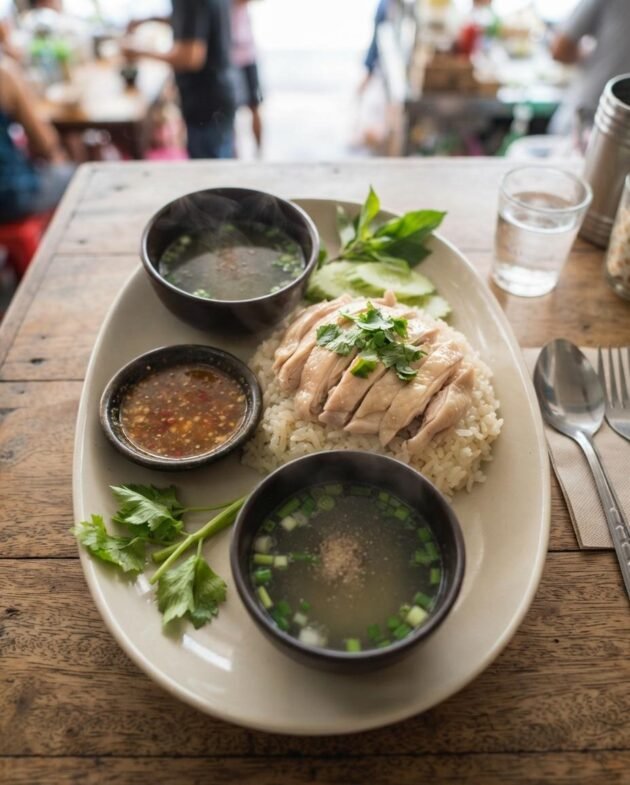
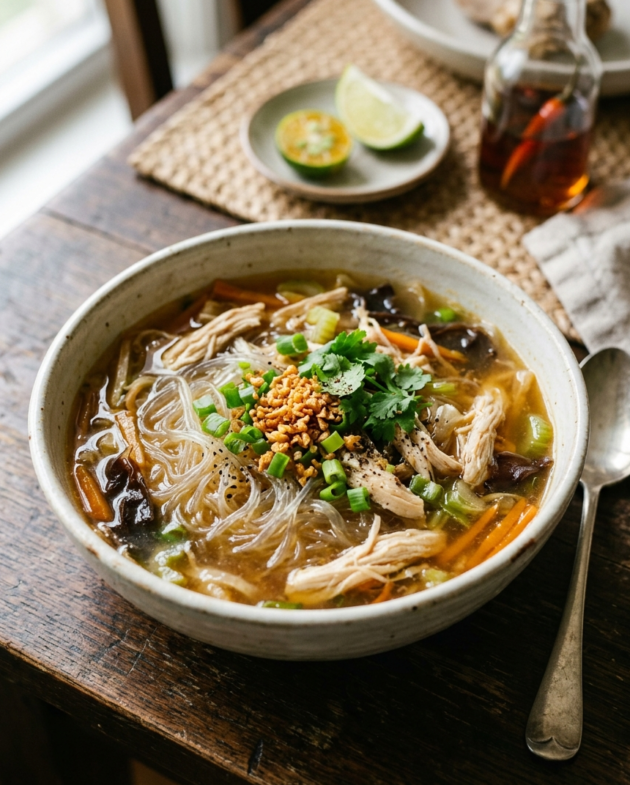
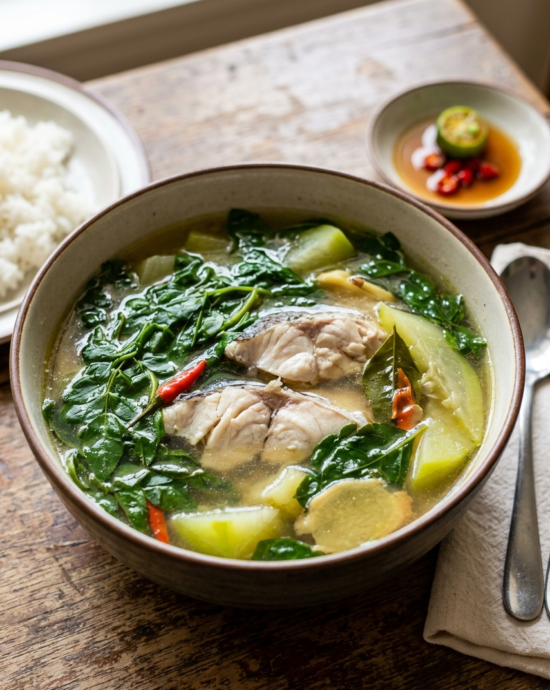
Once the fish is cooked, add the pechay or bok choy and malunggay leaves to the pot. Stir gently and cook for just two to three minutes until the greens are wilted and vibrant. Taste the broth one final time and adjust fish sauce and pepper. The finished Tinola na Isda should have a clear, golden broth with beautiful clean ginger flavor, tender fish steaks, and bright green vegetables. Serve immediately in deep bowls with steamed rice. This is quintessential Filipino comfort food — nourishing, gentle, deeply aromatic, and infinitely restorative.
- Calories:160 kcal8%
- Protein:26 g52%
- Carbohydrates:4 g2%
- Sugar:1 g1%
- Fat:3 g4%
- Salt (Sodium):520 mg23%
- Energy:669 kJ8%
Table of Contents
What Is Tinola na Isda?
Tinola na Isda is a Filipino fish ginger soup made by poaching fresh fish in a clear, lightly seasoned broth infused with ginger, garlic, and onion, then finishing it with leafy vegetables such as malunggay, pechay, or chili leaves for a clean, aromatic, and deeply nourishing soup. It is the fish adaptation of the iconic Filipino chicken tinola and shares the same warming, ginger-forward character that makes the original one of the country’s most beloved comfort foods.
The original Tinola (chicken tinola) is one of the oldest recorded Filipino dishes, mentioned in José Rizal’s 1887 novel ‘Noli Me Tángere,’ which gives the dish literary-historical significance rare among Filipino recipes. The fish version (Tinola na Isda) applies the same gentle ginger-broth technique to fresh fish, creating a dish with equal restorative character but a lighter, cleaner flavor profile suited to different protein preferences.
What distinguishes Tinola from other Filipino fish soups is its philosophy of restraint and clarity — the broth is intentionally clean and lightly seasoned to allow the quality of the fresh ginger and the freshness of the fish to speak without competition from aggressive seasonings. It is the kind of dish that feels genuinely good for the body as well as deeply satisfying to the palate — simultaneously medicinal and delicious.
Tinola na Isda is Filipino wellness food in culinary form — the ginger’s anti-inflammatory properties, the malunggay’s extraordinary nutritional density, and the lean fish protein combine to create a soup that Filipino mothers and grandmothers have prescribed for generations as both medicine and sustenance for the sick, the tired, and the cold.
Ingredient Notes
- Fresh Ginger: Ginger is the soul of Tinola na Isda — use generously and do not be timid. The ginger should be fresh and aromatic, not dry or shriveled. Slice into thin coins rather than mincing to allow for easy removal and to release the maximum aromatic oils into the broth during the long infusion.
- Malunggay (Moringa) Leaves: Malunggay is the traditional, ideal leaf vegetable for tinola — its mild, slightly bitter flavor and extraordinary nutritional profile are perfectly suited to the clean ginger broth. Add only in the final two minutes to preserve its bright green color and maximum nutritional benefit.
Ingredient Suggestions
- Green Papaya — Adding peeled, cubed green papaya during the initial broth simmering is the traditional tinola vegetable addition that provides a mild, slightly starchy complement to the ginger.
- Tanglad (Lemongrass) — Adding a bruised lemongrass stalk to the broth during infusion creates a delicately herbal, citrusy aromatic dimension that works beautifully with ginger.
Helpful Tips & Pro Tips
- The gentleness of the simmer is everything in Tinola na Isda — a bubbling broth breaks up the fish and produces a cloudy, less appetizing result. Maintain the most gentle simmer possible throughout.
- For a richer, deeper broth, make a simple fish stock first by simmering fish heads and bones for 20 minutes before straining and using as the base.
How to Serve and Store
Tinola na Isda is best served immediately while the broth is clear and the greens are vibrant. Serve in deep bowls with steamed rice for dipping into the broth. Leftover broth keeps 2 days refrigerated; the fish toughens upon reheating so serve leftover broth with freshly cooked fish for best quality. The broth alone makes an excellent, restorative drink when warmed.
Substitutions
- Fish Steaks → Whole Small Fish — Small whole fish like tilapia or bangus cooked whole in the broth produce an even more flavorful soup through the contribution of bones and skin.
- Malunggay → Spinach — Baby spinach wilts identically to malunggay in the hot broth; use as a direct substitute at equal volume.
Suggested Recipes
- Sinigang na Lapu-Lapu — A sour tamarind fish soup using the same premium grouper that perfectly contrasts Tinola’s clean ginger broth with bold, assertive sourness, showcasing how two distinct Filipino soup traditions can celebrate the same fish in entirely different ways.
- Ginataang Tulingan — A rich coconut milk fish dish that applies a third great Filipino fish-cooking philosophy — creamy, sweet, and aromatic — to an oily-fleshed tuna-family fish, completing a trio of Filipino seafood soup and braise traditions alongside Tinola and Sinigang.
- Bangus Sisig — For cooks who love the mild, sweet character of Filipino fish but want an energetic, sizzling contrast to Tinola’s gentle warmth; Bangus Sisig uses the country’s unofficial national fish in a bold, spicy, calamansi-forward preparation served dramatically on a cast iron plate.
- Halabos na Hipon — A pure, minimally seasoned steamed shrimp dish that shares Tinola na Isda’s philosophy of restraint and ingredient respect, letting the natural sweetness of the seafood speak without interference from heavy sauces or complex seasonings.
Frequently Asked Questions

Jeff Smith
"Cooking is the intersection of history, science, and emotion."
For me, the kitchen has always been a laboratory of culture. With a background deeply rooted in digital strategy and precision, I approach the culinary arts with the same rigor I apply to the digital landscape—analyzing flavors, perfecting techniques, and documenting the nuance that makes Filipino cuisine truly world-class.
Findme Recipe was born from a desire to bridge the gap between traditional heritage and the modern home cook. Whether it is mastering the perfect balance of acidity in a classic Adobo or simplifying complex regional dishes for everyday kitchens, my mission is to preserve our culinary identity through accessible, data-backed, and delicious content.
I am not just building a database; I am cultivating a community where every Filipino kitchen feels empowered, every ingredient is celebrated, and every family heirloom recipe finds a place to thrive.
Join me as we translate the soul of our islands into recipes for the next generation.