
- Aromatic Searing of the Chicken

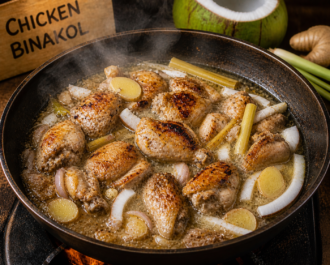
Heat the cooking oil in a large stockpot over medium heat. Sauté the ginger, garlic, and onions until they are soft and highly fragrant. Add the chicken pieces to the pot and season with fish sauce. Sauté the chicken for about seven to ten minutes, allowing the meat to sear and absorb the flavors of the aromatics. This "sangkutsa" process is especially important if you are using native chicken, as it helps to start the tenderization process and lock in the natural juices. The ginger provides a warm, peppery base that is essential for neutralizing any gamey scent. This initial step creates a savory foundation that will beautifully contrast with the natural sweetness of the coconut water added in the next stage.
- The Coconut Water Simmer
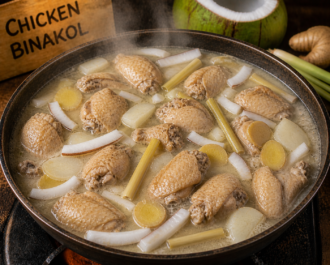
Pour in the fresh coconut water (buko juice) and add the pounded lemongrass stalks. The lemongrass provides a bright, citrusy aroma that is a hallmark of authentic Binakol. Bring the liquid to a steady boil, then lower the heat to a simmer. Cover the pot and allow the chicken to cook for about forty minutes, or until it is tender. If you are using native chicken, it may take a bit longer to reach the desired tenderness. The coconut water acts as a natural sweetening and tenderizing agent, creating a broth that is light, clear, and uniquely refreshing. This slow-simmering process allows the chicken to infuse the buko juice with its savory essence, resulting in a soup that is both healthy and flavorful.
- Incorporating the Coconut Meat
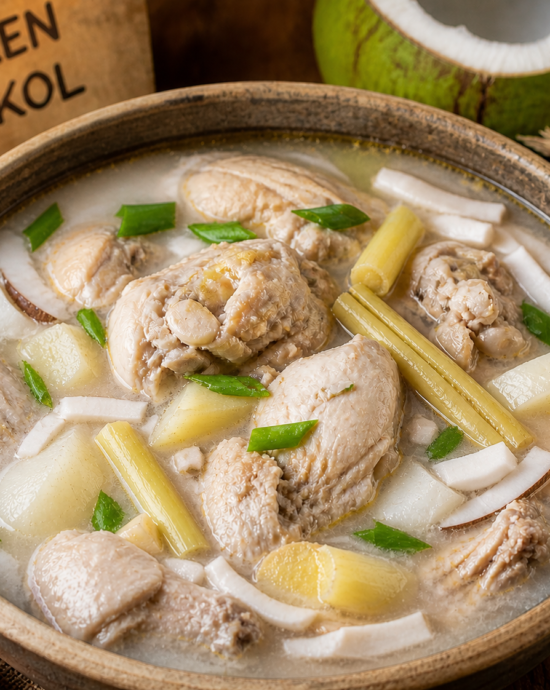
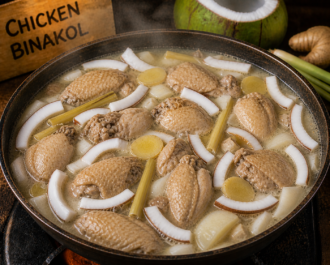
Once the chicken is tender, add the fresh coconut meat strips to the pot. These strips add a wonderful, soft, and slightly chewy texture to the soup, as well as a subtle extra layer of coconut flavor. Simmer for another five to eight minutes to allow the coconut meat to absorb some of the savory-sweet broth. The addition of the meat itself makes the dish visually distinct and reinforces the tropical theme. At this stage, the broth should be incredibly aromatic, with the scent of lemongrass and ginger perfectly balanced by the natural sweetness of the coconut. This stage is what separates Binakol from other chicken soups like Tinola, providing a much more complex and tropical flavor profile.
- The Final Green Flourish
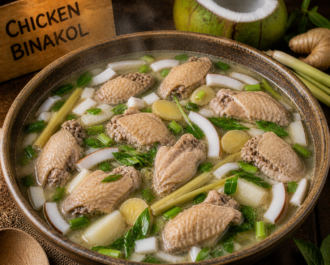
Add the spinach or chili leaves to the pot. These greens should only be cooked for about a minute; turn off the heat immediately and cover the pot to allow the residual heat to wilt the leaves perfectly. This preserves their vibrant green color and high nutritional content. Taste the broth and adjust the seasoning with a bit more fish sauce or salt if necessary. The final flavor should be a delicate balance of savory, sweet, and aromatic. The greens add a fresh, herbal note that completes the dish. This stage ensures that the soup is not only delicious but also packed with vitamins and minerals, making it a very healthy and nourishing meal for the entire family to enjoy together.
- The Traditional Presentation
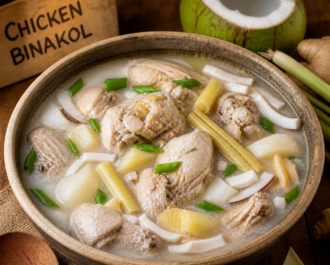
Traditionally, Binakol was cooked inside a bamboo tube or even a whole coconut shell, but a stockpot works perfectly for home cooking. For a professional and authentic look, you can serve the soup in a large wooden bowl or even inside a hollowed-out coconut shell. Make sure each serving has a good mix of chicken, coconut meat, and greens, with plenty of the clear, aromatic broth. Serve hot alongside steamed white rice. The unique combination of savory chicken and sweet coconut water makes for a refreshing and light meal that is perfect for the tropical climate. The elegant and tropical presentation is sure to impress your guests and provide a truly memorable dining experience for everyone.
- Calories:290 kcal15%
- Protein:30 g60%
- Carbohydrates:9 g3%
- Sugar:6 g12%
- Salt:820 mg35%
- Fat:14 g18%
Chicken Binakol is a hidden gem of Western Visayan cuisine, particularly in the provinces of Aklan and Iloilo. It is a fascinating evolution of the traditional Chicken Tinola, substituting plain water with fresh coconut water (buko juice) and adding strips of coconut meat. Historically, it was a rustic dish cooked by farmers and coastal dwellers using the most abundant local resource: the coconut tree. The traditional method involved slow-cooking the chicken inside bamboo tubes or coconut shells over an open fire, which infused the broth with an extra layer of smoky, woody aroma. It represents the Filipino genius for utilizing every part of the coconut—the “tree of life”—to create a dish that is as sophisticated as it is humble.
The flavor profile is a delicate and surprising harmony of savory chicken, the warm zing of ginger, the citrusy lift of lemongrass, and the subtle, natural sweetness of coconut water. It is a “must-try” because it offers a flavor experience that is uniquely Filipino—refreshing, light, and deeply tropical. The texture of the tender chicken paired with the soft, slippery coconut meat makes every spoonful interesting. For many, it is the ultimate “island food,” evoking memories of the beach and the lush countryside. Chicken Binakol is more than just a soup; it is a celebration of the Philippine landscape and a testament to the country’s rich regional culinary diversity. To eat Chicken Binakol is to taste the sunshine and the soul of the Visayan islands.