
- Step 1: Make the Pork and Shrimp Filling
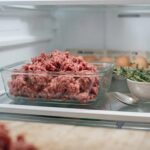
Combine the ground pork, finely chopped shrimp, water chestnuts, and green onions in a large mixing bowl. The water chestnuts are a key textural element — they add a refreshing, subtle crunch to each dumpling that prevents the filling from becoming too dense or heavy. Season the mixture with soy sauce, a pinch of white pepper, and salt to taste. Mix everything together with your hands or a wooden spoon until the ingredients are evenly combined and the mixture holds together when pressed. To check the seasoning without consuming raw pork, pinch a small amount of filling, flatten it, and fry it briefly in a dry pan for thirty seconds per side. Taste and adjust with additional soy sauce or salt as needed. Proper seasoning at this stage is crucial — the filling should be pleasantly savory on its own, as it will be diluted somewhat by the broth once cooked.
- Step 2: Wrap the Molo Dumplings
Lay a wonton wrapper flat on a clean, dry work surface. Place a heaping teaspoon of the pork and shrimp filling in the center of the wrapper — use just enough filling to wrap comfortably without overfilling, which causes the dumplings to burst during cooking. Dip your finger in the beaten egg and moisten two adjacent edges of the wrapper. Fold the wrapper in half diagonally to form a triangle, pressing the edges firmly to seal, making sure no air is trapped inside. Pull the two bottom corners of the triangle toward each other and press them together, dabbing with egg to help them hold — this creates the classic molo dumpling shape. Place the finished dumplings on a lightly floured tray and cover with a damp kitchen towel to prevent them from drying out. Work efficiently and wrap all the dumplings before beginning the soup.
- Step 3: Prepare the Aromatic Broth Base
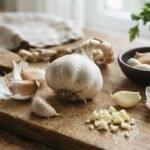
Heat the vegetable oil in a large, heavy-bottomed stockpot over medium heat. Add the minced garlic and cook, stirring, for one minute until fragrant. Add the minced onion and continue cooking for two to three minutes until soft and translucent. Pour the chicken broth into the pot and bring it to a gentle boil. If using annatto water, add it to the broth now and stir to combine — it will give the soup a warm, golden-orange hue that is characteristic of many Ilonggo versions of this dish. Add the fish sauce and season the broth with salt and white pepper. Taste the broth carefully — it should be clean, well-seasoned, and deeply chickeny with a pleasant salinity. A properly seasoned broth is the backbone of Pancit Molo; underflavored broth will make the entire dish taste flat regardless of how well-seasoned the dumplings are.
- Step 4: Cook the Dumplings and Chicken
Add the shredded chicken breast to the simmering broth and cook for five minutes. Then gently lower the prepared molo dumplings into the soup one by one, being careful not to crowd the pot — cook in batches if necessary to maintain the broth temperature and prevent the dumplings from sticking together. The dumplings will sink initially, then float to the surface as they cook, which typically takes four to five minutes. Once they float, cook for an additional two minutes to ensure the filling is completely cooked through. Do not boil the soup vigorously during dumpling cooking — a gentle simmer is essential to prevent the wrappers from tearing and the dumplings from disintegrating. Test one dumpling by cutting it open; the filling should be completely opaque and cooked with no pink remaining in the pork.
- Step 5: Final Seasoning and Serving
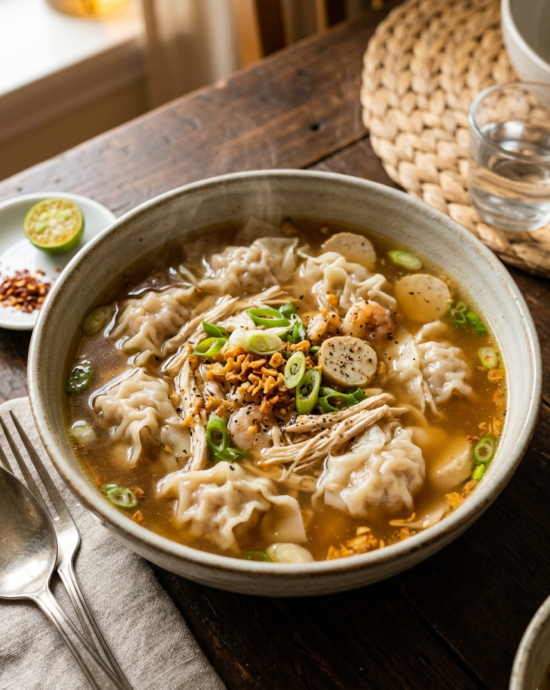
Taste the finished soup and adjust the seasoning one final time with fish sauce, salt, or white pepper to achieve a perfectly balanced, savory broth. The soup at this stage should be golden, clear, and richly flavored from the combination of the chicken, the cooked dumplings releasing their filling's juices, and the aromatics. Ladle the soup generously into deep bowls, ensuring each serving receives four to six dumplings and a good portion of the shredded chicken. The broth-to-solid ratio should favor the broth — this is a soup, not a stew, and the abundant, flavorful liquid is as important as the dumplings themselves. Garnish each bowl with a scatter of chopped green onions and a generous spoonful of crispy fried garlic, whose nutty crunch and aroma are the finishing touch that elevates every bowl.
- Calories:340 kcal17%
- Protein:24 g48%
- Carbohydrates:32 g11%
- Sugar:2 g2%
- Energy:1422 kJ17%
- Fat:11 g15%
Table of Contents
What Is Pancit Molo?
Pancit Molo is a distinctively Filipino dumpling soup originating from the district of Molo in Iloilo City on the island of Panay in the Western Visayas region. Unlike the stir-fried noodle dishes that dominate the Filipino pancit category, Pancit Molo is a comforting, clear broth soup filled with delicate pork and shrimp dumplings wrapped in thin wonton-style wrappers, shredded chicken, and aromatic garlic and onion. The dish takes its name directly from the Molo district, historically home to a significant Chinese-Filipino community whose culinary influence introduced the dumpling-making tradition to the region. Over generations, Ilonggo cooks adapted these Chinese techniques and flavors to local tastes and ingredients, creating a uniquely Filipino dumpling soup that bears little resemblance to its Chinese wonton soup origins while retaining the fundamental concept of stuffed wrappers in broth. Pancit Molo is considered a fiesta food in Iloilo — it appears at baptisms, birthdays, town fiestas, and all manner of significant celebrations, and its preparation is often a communal activity with multiple family members involved in filling and wrapping the many dumplings required for a crowd. The broth is clean and golden, deeply flavored with chicken and aromatics, and the combination of the yielding dumpling wrapper, savory filling, and tender shredded chicken creates a soup of remarkable elegance and comfort. Paired with puto or crusty bread, Pancit Molo is one of the most beloved expressions of Ilonggo culinary identity and a testament to the rich food heritage of Western Visayas.
Ingredient Notes
- Wonton Wrappers: Look for wonton wrappers labeled thin-style or Hong Kong-style at Asian grocery stores; these are more delicate and produce a more refined dumpling than the thicker, doughier varieties. Keep them covered with a damp cloth at all times to prevent them from drying out and cracking during wrapping.
- Ground Pork: For the best molo filling, choose ground pork with a medium fat content of around 20 to 25 percent. Lean pork will produce dry, dense dumplings, while very fatty pork may cause the filling to shrink excessively during cooking.
- Water Chestnuts: Fresh water chestnuts, available at Asian grocery stores, have a superior crunch and sweetness compared to canned. If using canned, drain and rinse thoroughly, then pat dry to remove excess moisture that could make the filling wet.
- Chicken Broth: A rich, homemade chicken broth made by simmering chicken bones, onion, garlic, and ginger for at least 45 minutes will make a dramatically better Pancit Molo than store-bought. The broth is so central to this dish that its quality determines the character of the entire soup.
Ingredient Suggestions
- Chinese Cabbage (Napa) — Roughly torn napa cabbage leaves added to the broth in the last two minutes add a mild sweetness and delicate texture.
- Tofu Puffs — Deep-fried tofu puffs simmered in the broth absorb the chicken flavor beautifully and provide a soft, spongy protein alternative.
- Ginger Slices — Adding a few slices of fresh ginger to the broth as it cooks infuses a warming, peppery note that complements the dumplings and is particularly welcome in cooler weather.
- Chili Oil Drizzle — A small drizzle of homemade or store-bought chili oil at the table adds optional heat for guests who enjoy a little spice in their dumpling soup.
Helpful Tips & Pro Tips
- Do not overfill the wonton wrappers — a heaping teaspoon is the maximum. Overfilled dumplings are difficult to seal properly and will burst in the simmering broth, releasing their filling and clouding the soup.
- Seal the dumpling edges firmly by pressing out any air bubbles before you crimp. Air trapped inside a dumpling expands during cooking and will force the edges apart, causing the dumpling to open in the broth.
- Simmer, never boil the soup once the dumplings are added. A rapid boil tosses the delicate wrappers around violently, causing them to tear and disintegrate. A gentle, barely bubbling simmer produces perfect, intact dumplings.
- Why are my dumplings falling apart? The most common cause is insufficient sealing — be generous with the egg wash on the edges and press firmly. Also check that your broth is at a gentle simmer rather than a rolling boil when the dumplings are cooking.
- Make a double batch of dumplings and freeze half before cooking for a future meal. Arrange uncooked dumplings in a single layer on a floured tray, freeze until solid, then transfer to freezer bags. Cook directly from frozen by adding two extra minutes to the cooking time.
How to Serve and Store
Pancit Molo soup can be stored with the dumplings in the broth in an airtight container in the refrigerator for up to two days, though the wrappers will soften considerably and absorb more broth as they sit. For best results when storing, keep the cooked dumplings and broth in separate containers and combine only when reheating. Reheat gently over medium-low heat until the broth simmers and the dumplings are warmed through — do not boil. The soup is not recommended for freezing once assembled, as the wrappers become extremely soft and may disintegrate. Uncooked raw dumplings freeze excellently for up to two months.
Substitutions
- Wonton Wrappers → Fresh Pasta Sheets — cut into squares; a workable homemade substitute that produces a slightly thicker dumpling with a pleasant eggy chew.
- Ground Pork → Ground Chicken — a lighter, leaner alternative that still produces a flavorful, tender dumpling filling.
- Shrimp → Finely Chopped Mushrooms — a vegan-friendly alternative that adds umami and an earthy texture to the dumpling filling.
- Fish Sauce → Soy Sauce — maintains the savory saltiness without the fermented fish notes, making the soup more accessible for those sensitive to patis.
- Chicken Broth → Vegetable Broth — suitable for vegetarians when combined with mushrooms in the filling instead of pork and shrimp.
- Water Chestnuts → Jicama — a widely available substitute with a similar crisp, slightly sweet texture that works excellently in dumpling fillings.
Suggested Recipes
- La Paz Batchoy — another famous Iloilo noodle soup with a rich broth and similar comforting character, made with egg noodles and pork offal.
- Wonton Soup — the Chinese dumpling soup that is the cultural ancestor of Pancit Molo and a fascinating point of comparison for understanding the dish’s evolution.
- Arroz Caldo — a Filipino rice porridge that shares Pancit Molo’s comforting, warming nature and is often served at the same celebrations in Iloilo.
- Kare-Kare — another festive Visayan favorite that pairs beautifully with Pancit Molo on a fiesta table, offering a contrasting oxtail and peanut stew alongside the delicate soup.
Frequently Asked Questions

Jeff Smith
"Cooking is the intersection of history, science, and emotion."
For me, the kitchen has always been a laboratory of culture. With a background deeply rooted in digital strategy and precision, I approach the culinary arts with the same rigor I apply to the digital landscape—analyzing flavors, perfecting techniques, and documenting the nuance that makes Filipino cuisine truly world-class.
Findme Recipe was born from a desire to bridge the gap between traditional heritage and the modern home cook. Whether it is mastering the perfect balance of acidity in a classic Adobo or simplifying complex regional dishes for everyday kitchens, my mission is to preserve our culinary identity through accessible, data-backed, and delicious content.
I am not just building a database; I am cultivating a community where every Filipino kitchen feels empowered, every ingredient is celebrated, and every family heirloom recipe finds a place to thrive.
Join me as we translate the soul of our islands into recipes for the next generation.