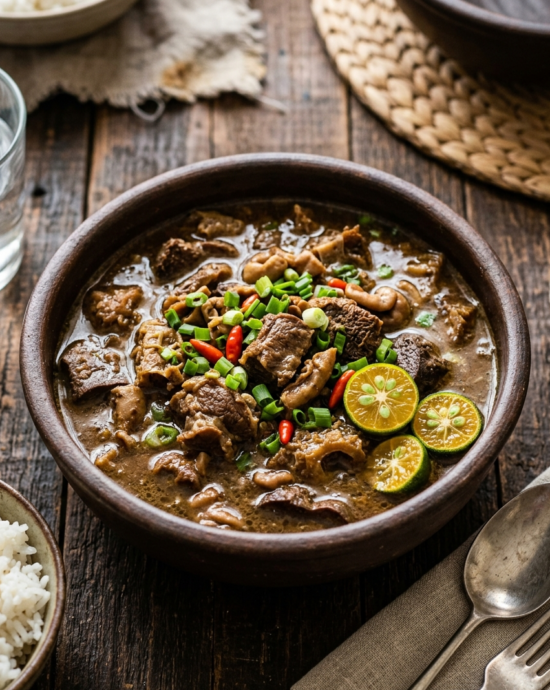

- Step 1: Clean and Prepare the Goat Offal
Preparing papaitan demands meticulous cleaning of all offal components, as thorough preparation is the foundation of a dish that is pleasurable rather than off-putting. Begin with the tripe: rub it generously inside and out with rock salt and white vinegar, then rinse under cold running water repeatedly until the water runs completely clear and no unpleasant odor remains. For the intestines, turn them inside out using a skewer and flush water through thoroughly. Place all cleaned offal pieces in a large pot, cover with fresh cold water, and bring to a rolling boil. Add a few slices of ginger and the lemongrass stalks to this initial blanching water, then boil vigorously for fifteen minutes. Drain completely, discard the blanching water, and rinse all pieces again under cold water. This double-cleaning method is non-negotiable for achieving a clean-tasting, aromatic papaitan that showcases the dish's celebrated bitter complexity rather than masking it under unpleasant odors.
- Step 2: Build the Aromatic Foundation
In a large, heavy-bottomed pot or kawali, heat three tablespoons of cooking oil over medium heat until shimmering. Add the sliced ginger first and allow it to fry for about one minute until fragrant and lightly golden at the edges; ginger is the dominant aromatic in papaitan and its bold, warm spiciness is essential to the broth's character. Add the minced garlic next and stir for thirty seconds, then add the chopped onion and cook until translucent and softened, about three to four minutes. Add the bruised lemongrass stalks and stir everything together. This aromatic base of ginger, garlic, onion, and lemongrass forms the flavor scaffold that will support and balance the signature bitterness of the bile. Take your time with this step — a properly built sofrito creates a far more harmonious and layered final broth than one rushed through carelessly.
- Step 3: Cook the Offal and Build the Broth
Add the cleaned and blanched goat tripe and intestines to the aromatic base first, as these tougher cuts require the most cooking time. Stir to coat the pieces in the fragrant oil and aromatics, then pour in four cups of water or goat broth. Add the black peppercorns, whole siling labuyo chilies, and fish sauce, then bring to a full boil. Reduce the heat to a gentle simmer, cover, and cook for forty-five minutes to one hour, until the tripe is tender and yields when pierced with a fork. After the tripe has softened, add the sliced goat liver and optional heart and lungs. Liver cooks quickly and should not be added earlier, as overcooking makes it grainy and dry. Continue simmering for an additional ten to fifteen minutes until all the offal is cooked through and the broth has taken on a rich, amber color with a deeply savory aroma.
- Step 4: Introduce the Bile — The Signature Step
This is the step that transforms a simple offal soup into the legendary Papaitan, and it must be approached with care and confidence. The goat bile, or apdo, is responsible for the dish's defining bitter taste, which is simultaneously bold, complex, and highly addictive when properly balanced with the sour vinegar and savory fish sauce. Start conservatively: dilute one tablespoon of bile in a small cup with a few tablespoons of hot broth from the pot, then stir this mixture into the soup while tasting constantly. The bitterness should be assertive but pleasant — think of the clean bitterness of dark beer or espresso rather than an overwhelming medicinal harshness. Stir in the cane vinegar next, which provides the crucial acidic counterbalance that elevates and rounds out the bitterness. Taste and add more bile in small increments only if you desire more intensity. Remember that bile is extremely potent and a little goes a very long way.
- Step 5: Final Seasoning and Serve
With the bile and vinegar incorporated, take a final comprehensive taste of the broth and make all remaining seasoning adjustments. Add fish sauce for saltiness and depth, more vinegar for brightness, and additional siling labuyo for heat. Remove the lemongrass stalks, which have released their fragrance into the broth and can now be discarded. Allow the papaitan to simmer uncovered for a final five minutes to gently concentrate the flavors and bring all the components into harmony. Ladle generously into deep bowls, ensuring each serving receives a balanced mix of all the offal cuts along with a good amount of the dark, aromatic broth. Garnish lavishly with freshly chopped green onions and cilantro, which provide a herbaceous lift and vivid color contrast. Serve immediately with steamed white rice and extra siling labuyo and vinegar on the side for individual adjustment.
- Calories:260 kcal13%
- Protein:30 g60%
- Carbohydrates:6 g2%
- Sugar:1 g1%
- Fat:12 g15%
- Energy:1088 kJ13%
Table of Contents
What Is Papaitan Kambing?
Papaitan Kambing is a bold, bitter Filipino offal soup made from goat innards — primarily tripe, liver, and intestines — simmered in a spiced broth uniquely flavored with a measured addition of goat bile (apdo), producing a dish with a powerfully complex bitter, sour, and savory flavor profile that is unlike anything else in the Filipino culinary canon. The word papaitan comes from the Ilocano and Tagalog root pait, meaning bitter, an honest and unapologetic description of the dish’s most defining characteristic. Papaitan is a cornerstone of Ilocano cuisine, originating in the Ilocos region of Northwestern Luzon, where a tradition of resourceful, nose-to-tail cooking ensured that every part of a slaughtered animal was transformed into something extraordinary. The inclusion of bile — a digestive fluid harvested from the animal’s gallbladder — was not merely an accident of resourcefulness but a deliberate culinary choice; the Ilocano people understood that bile’s unique bitter compounds, when properly balanced with sour vinegar, spicy ginger, and pungent aromatics, created a flavor dimension that no other ingredient could replicate. Over time, Papaitan spread beyond Ilocos and became a celebrated Filipino dish enjoyed across the archipelago, particularly prized as a hangover cure and pulutan. Its reputation as an acquired taste has only amplified its cultural mystique. To eat papaitan is to engage with centuries of Ilocano ingenuity and to discover that bitterness, in the right hands, is not a flaw but a revelation.
Ingredient Notes
- Goat Bile (Apdo) The most critical and irreplaceable ingredient in papaitan. Bile is harvested from the goat’s gallbladder at the time of slaughter and must be kept refrigerated or frozen until use. Its potency varies between animals, so always start with less than you think you need and build up gradually. Fresh bile has a dark greenish-brown color and an intensely bitter aroma.
- Goat Tripe The stomach lining of the goat provides the bulk of the dish and a satisfying, slightly chewy texture when properly cleaned and cooked. Look for tripe that is pale white to cream in color — yellowish or grey-tinged tripe may indicate it is not fresh. Thorough cleaning and blanching are non-negotiable steps.
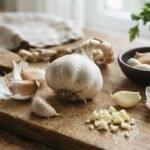
- Fresh Ginger Ginger is the dominant warming spice in papaitan and plays a crucial role in tempering the intensity of the bile while adding its own bold heat and fragrance. Use young ginger for a milder, cleaner flavor or mature ginger for more pronounced heat. Never substitute with ground ginger in this recipe.
- Lemongrass (Tanglad) Bruised lemongrass stalks infuse the broth with a clean citrus-herbal aroma that helps lift and brighten the heavy, bitter notes. Use the white to light green portion and discard the tough outer layers before bruising with the back of a knife.
Ingredient Suggestions
- Star Anise: Add one or two whole star anise to the broth for a subtle anise undertone that complements the ginger beautifully.
- Turmeric (Kunyit): A small piece of fresh turmeric adds a golden color and an earthy, slightly bitter note that pairs well with the bile.
- Siling Haba (Long Green Chili): Add alongside siling labuyo for a milder, more fragrant heat layer.
- Coconut Vinegar: Substitute for cane vinegar to add a slightly fruity, rounder acidity that mellows the bile’s sharpness more gently.
- Goat Blood: Some traditional versions include coagulated goat blood for a richer, more deeply flavored broth and additional iron content.
Helpful Tips & Pro Tips
- Master the Bile Addition — Less Is Always More: The single most common mistake in making papaitan is adding too much bile at once. Always dilute it in a small amount of hot broth before incorporating, taste constantly, and remember that the bitterness intensifies as the soup continues to simmer. You can always add more, but you cannot remove it once it is in the pot.
- Why Does My Papaitan Smell Unpleasant? Insufficient cleaning of the offal is almost always the culprit. The double-cleaning method — vigorous salting, vinegar rubbing, and a full blanching boil with ginger and lemongrass — is mandatory, not optional. Skipping any part of this process results in a broth that smells of its raw materials rather than of a complex, aromatic soup.
- Balance Bitter with Sour and Salty: Think of papaitan seasoning as a three-legged stool — bitter from the bile, sour from the vinegar, and savory-salty from the fish sauce. All three must be present and in harmony. If the dish tastes one-dimensional, the other two elements likely need reinforcing.
- Use Fresh Aromatics: Do not substitute dried ginger, dried lemongrass, or garlic powder in this recipe. The fresh aromatics release volatile compounds during cooking that dried versions simply cannot replicate, and their freshness is especially critical in a dish where every flavor nuance matters.
- Serve Boiling Hot: Papaitan should reach the table at the highest possible temperature. The heat amplifies the aromatic steam and ensures the fat in the broth remains properly emulsified. A lukewarm bowl of papaitan is a significantly diminished experience.
How to Serve and Store
Papaitan Kambing must be served immediately, piping hot, in deep bowls with steamed white rice on the side. Always accompany the dish with small condiment bowls of additional cane vinegar, fish sauce, and fresh siling labuyo, allowing diners to fine-tune the bitter-sour-spicy balance to their individual preference. As a pulutan, it pairs magnificently with ice-cold basi (sugarcane wine) or pale lager beer. Leftovers can be stored in an airtight container in the refrigerator for up to 2 days; the flavors continue to deepen and meld overnight. Reheat slowly over low heat, stirring gently to prevent the offal from toughening. Do not boil aggressively when reheating. Papaitan is not suitable for freezing, as the offal’s texture becomes unpleasantly rubbery after thawing and the bile-vinegar balance shifts significantly.
Substitutions
- Goat Bile → Beef Bile: If goat bile is unavailable, beef bile from a freshly slaughtered cow provides a similar but slightly milder bitterness. Use the same cautious incremental approach.
- Goat Offal → Beef Offal (Papaitan Baka): The most common variation; beef tripe and liver are widely available and produce an equally celebrated version of the dish.
- Fish Sauce → Soy Sauce + Pinch of Salt: For those avoiding fish products, this combination provides comparable saltiness and umami depth.
- Cane Vinegar → Apple Cider Vinegar: Provides a mellow, slightly fruity acidity that pairs well with the complex broth.
- Siling Labuyo → Thai Bird’s Eye Chili: A direct substitute with virtually identical heat level and flavor profile, widely available in most Asian grocery stores.
- Fresh Lemongrass → Lemongrass Paste (Emergency): Use 1 tsp of lemongrass paste per stalk, though the aromatic impact will be noticeably less pronounced than fresh.
Suggested Recipes
- Kilawin na Kambing: The bright, refreshing vinegar-cured counterpart to papaitan — an ideal companion dish on a kambing feast menu.
- Kalderetang Kambing: The rich, tomato-braised goat stew that uses more approachable cuts and flavors, perfect for guests less familiar with offal.
- Dinuguan: The classic Filipino pork blood stew that shares papaitan’s offal heritage and adventurous spirit, using an entirely different — but equally bold — flavor profile.
- Sinigang na Kambing: A sour tamarind-based goat soup that provides a gentler, more accessible introduction to kambing cooking for those new to the flavor.
Frequently Asked Questions

Jeff Smith
"Cooking is the intersection of history, science, and emotion."
For me, the kitchen has always been a laboratory of culture. With a background deeply rooted in digital strategy and precision, I approach the culinary arts with the same rigor I apply to the digital landscape—analyzing flavors, perfecting techniques, and documenting the nuance that makes Filipino cuisine truly world-class.
Findme Recipe was born from a desire to bridge the gap between traditional heritage and the modern home cook. Whether it is mastering the perfect balance of acidity in a classic Adobo or simplifying complex regional dishes for everyday kitchens, my mission is to preserve our culinary identity through accessible, data-backed, and delicious content.
I am not just building a database; I am cultivating a community where every Filipino kitchen feels empowered, every ingredient is celebrated, and every family heirloom recipe finds a place to thrive.
Join me as we translate the soul of our islands into recipes for the next generation.