
- Step 1: Sear the Chicken
Heat the cooking oil in a large, wide pan or Dutch oven over medium-high heat until shimmering. Add the chicken pieces skin-side down in a single layer, working in batches if necessary to avoid crowding. Press each piece gently against the pan for the first 30 seconds to maximize skin contact. Sear undisturbed for 3 to 4 minutes until the skin develops a deep, golden-brown crust with visible caramelization. Flip and sear the other side for 2 minutes more. This browning step is critical — the caramelized exterior created through the Maillard reaction adds a savory, roasted depth that balances the natural sweetness of the pineapple in the finished dish. Without this foundational browning, the dish lacks the savory-sweet tension that makes pininyahang manok so compelling. Transfer browned chicken to a plate and set aside.
- Step 2: Sauté the Aromatics
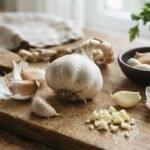
In the same pan with the chicken drippings intact, reduce the heat to medium. Add the butter and allow it to melt into the rendered chicken fat. Add the sliced onions and cook, stirring occasionally, for 3 minutes until softened and lightly translucent. Add the minced garlic and stir for 1 minute until fragrant and golden. The combination of chicken fat, butter, onion, and garlic in the pan at this stage creates an extraordinarily rich, deeply aromatic foundation for the sweet-savory pineapple sauce. Scrape up any browned bits from the bottom of the pan as you cook — these caramelized drippings from the chicken searing step dissolve into the aromatics and add irreplaceable depth and complexity to the entire finished dish.
- Step 3: Add the Pineapple
Add the drained pineapple tidbits or chunks to the aromatic base and stir everything together. Increase the heat slightly to medium-high and cook the pineapple for 2 to 3 minutes, stirring occasionally, until the pieces begin to lightly caramelize at their edges and their natural sugars start to concentrate and deepen. Pour in the reserved pineapple juice from the can and stir to incorporate it into the pan. The juice immediately deglazes any remaining caramelized bits from the bottom of the pan and begins building the sweet, tangy base of the dish's signature sauce. Season with the fish sauce or soy sauce and stir. Return the seared chicken pieces to the pan, nestling them into the pineapple-aromatic mixture, and allow everything to come up to a gentle simmer together.
- Step 4: Pour in the Milk and Braise
Pour the coconut milk or evaporated milk slowly into the pan, stirring gently as you pour to incorporate it evenly with the pineapple juice and aromatics. The milk immediately transforms the sauce — the sharp, bright pineapple acidity is softened and rounded by the natural fat content of the milk, creating a creamy, complex sauce that is simultaneously sweet, savory, and subtly tangy. Bring the sauce to a gentle simmer over medium heat, then reduce to medium-low and partially cover the pan. Allow the chicken to braise in the pineapple-milk sauce for 20 to 25 minutes, turning the pieces once at the halfway point. The chicken is done when it pulls easily from the bone and the sauce has reduced and thickened slightly around it.
- Step 5: Add the Vegetables
Add the sliced carrots and button mushrooms (if using) to the braising sauce, stirring gently to submerge them. Cover and cook for 5 minutes until the carrots are just tender. Add the sliced red and green bell peppers last, stirring them into the sauce and cooking uncovered for 3 minutes more — just long enough to soften them slightly while preserving their vivid color, sweetness, and gentle crunch. The bell peppers are a deliberately late addition; they contribute natural sweetness to the already-sweet pineapple sauce while their bright colors make the finished dish visually stunning. Taste the sauce at this point — it should be pleasantly sweet-savory with the pineapple fruit and juice clearly present alongside the creaminess of the milk base.
- Step 6: Adjust and Serve
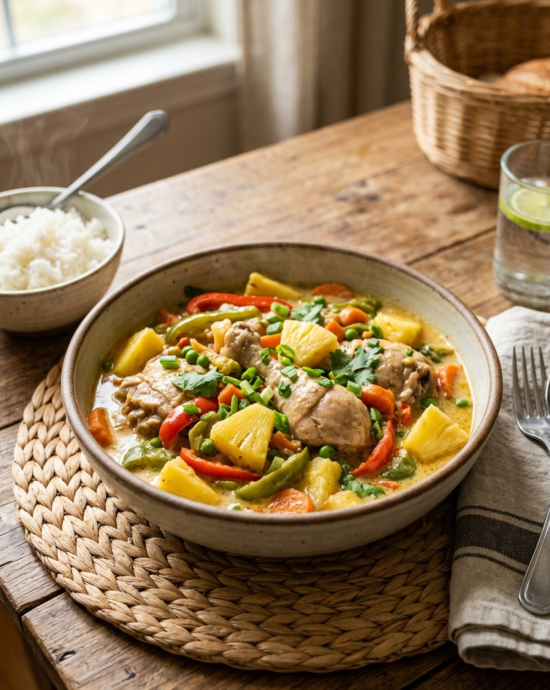
Taste the finished sauce one final time and adjust with salt, white pepper, or additional fish sauce to achieve a balanced sweet-savory profile. If the sauce is too sweet, a small splash of fish sauce and a crack of white pepper bring it back into balance. If it is too thin, increase the heat to medium-high and simmer uncovered for 3 to 4 additional minutes to reduce and concentrate the sauce to a coating, glossy consistency. Remove from heat. Ladle generously into deep bowls or a wide serving platter, ensuring each portion receives a colorful distribution of chicken, pineapple, bell peppers, carrots, and plenty of the creamy, sweet-savory sauce. Scatter sliced spring onions generously over the top and serve immediately over steaming white rice.
- Calories:310 kcal16%
- Protein:26 g52%
- Carbohydrates:14 g5%
- Sugar:9 g10%
- Fat:17 g22%
Table of Contents
What Is Pininyahang Manok?
Pininyahang manok is a Filipino braised chicken dish cooked in a sweet, creamy pineapple-based sauce with coconut milk or evaporated milk, bell peppers, and carrots — a distinctly vibrant, sweet-savory stew that celebrates the Philippines’ status as one of the world’s largest producers and exporters of pineapple. The word pininyahang derives from pinya, the Filipino word for pineapple, and the dish represents one of the most natural and beloved applications of the tropical fruit in the national cuisine. Unlike Western preparations that use pineapple as a mere accent or garnish, pininyahang manok places the fruit at the absolute center of the dish — as both a key flavor ingredient and the primary source of natural sweetness and acidity in the sauce.
The dish is beloved across the Philippines for its accessibility, its bright, tropical flavor profile, and its beautiful presentation. The combination of pineapple’s natural sweetness and acidity with the richness of coconut milk or evaporated milk creates a sauce of surprising complexity — simultaneously fruity, creamy, savory, and aromatic. The chicken absorbs the pineapple juice during the long braise, developing a tenderness and gentle tropical sweetness in the meat itself that is unique among Filipino chicken preparations.
Pininyahang manok is considered an everyday comfort dish in many Filipino households — quick enough for a weeknight dinner yet colorful and generous enough to present at family gatherings. Its cheerful appearance, with jewel-toned bell peppers and golden pineapple visible in the creamy sauce, makes it as visually appealing as it is delicious. For home cooks seeking a Filipino chicken dish that is simultaneously approachable, distinctive, and genuinely crowd-pleasing, pininyahang manok is among the most reliable and satisfying choices in the entire national recipe repertoire.
Ingredient Notes
- Pineapple Tidbits (Canned): Canned pineapple tidbits in juice — not syrup — are the most practical choice for this dish; the reserved juice forms a critical part of the braising liquid. Del Monte pineapple tidbits are the most widely used brand in Filipino cooking. Fresh pineapple cut into small chunks is excellent if available, though you will need to add ½ cup of pineapple juice separately.
- Coconut Milk vs. Evaporated Milk: Both are traditional in different regional versions of pininyahang manok. Coconut milk produces a richer, more tropical-tasting sauce with a slight gata quality; evaporated milk produces a cleaner, creamier sauce that allows the pineapple flavor to shine more clearly. Both are equally authentic — choose based on your preference.
- Bell Peppers: Both red and green bell peppers are traditional and important — the red provides sweetness and visual warmth while the green adds a slightly grassy, vegetal counterpoint. Add them in the final 3 minutes only; earlier addition causes them to lose their vibrant color and appealing crunch.
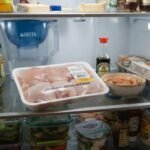
- Chicken (Bone-In): Bone-in thighs and drumsticks are strongly preferred for pininyahang manok — the bones contribute gelatin to the braising sauce, adding body and richness to the pineapple-milk base. The natural fat from dark meat also balances the sweetness of the pineapple more effectively than lean breast meat.
- Butter: A tablespoon of butter sautéed with the onions and garlic adds a richness and depth to the aromatic base that cooking oil alone cannot provide, contributing a subtle nutty, creamy character to the finished sauce.
Ingredient Suggestions
- Cream cheese — A tablespoon stirred into the finished sauce creates a rich, tangy creaminess that adds depth and makes the sauce more luxurious.
- Potato cubes — Added with the carrots, diced potatoes absorb the sweet pineapple sauce beautifully and make the dish more filling and substantial.
- Shrimp — Peeled shrimp added in the final 3 minutes cook quickly and absorb the pineapple-milk sauce for a sweet, oceanic flavor that complements the dish beautifully.
- Jalapeño or finger chili — A single sliced chili adds a mild heat that cuts through the sweetness of the pineapple and creates a more dynamic flavor contrast in the finished dish.
- Young corn (baby corn) — Halved lengthwise and added with the bell peppers, baby corn adds a sweet, crunchy textural contrast and visual appeal.
Helpful Tips & Pro Tips
- Use pineapple in juice, not syrup. Canned pineapple packed in syrup is far too sweet and will make the finished sauce cloyingly sweet rather than pleasantly sweet-savory. Always use pineapple packed in its own natural juice, and reserve every drop of that juice for the braising liquid.
- Don’t skip the searing step. The caramelized, savory exterior developed by properly searing the chicken is what prevents pininyahang manok from tasting one-dimensionally sweet. The Maillard reaction creates roasted, savory complexity that provides essential balance against the pineapple’s natural sugars.
- Why is my pininyahang manok too sweet? Overly sweet pininyahang manok is usually caused by using pineapple in syrup rather than juice, or by using too much pineapple without sufficient seasoning. Correct excess sweetness by adding fish sauce in small increments, tasting between each addition, and finishing with a crack of white pepper.
- Add bell peppers at the very end. Bell peppers overcooked in a braising sauce lose their vibrant color, natural sweetness, and pleasant crunch — all of which are important to the dish’s appeal. Add them in the final 3 minutes of cooking only, and keep the heat at medium to prevent them from fully collapsing.
- Let the pineapple caramelize before adding liquid. Cooking the pineapple pieces in the hot pan for 2 to 3 minutes before adding the juice allows their natural sugars to concentrate and caramelize slightly, developing a deeper, more complex fruitiness in the finished sauce rather than a flat, raw sweetness.
How to Serve and Store
Serve pininyahang manok immediately, ladled over steaming white rice in deep bowls or family-style from a wide serving dish. The colorful bell peppers, golden pineapple, and creamy sauce make a visually beautiful presentation that suits both everyday family meals and casual entertaining. Garnish generously with sliced spring onions and serve with extra fish sauce on the side for personal seasoning.
Store leftover pininyahang manok in an airtight container in the refrigerator for up to 3 days — the sauce thickens considerably upon chilling. Reheat gently on the stovetop over low heat, adding a small splash of coconut milk, evaporated milk, or water to loosen the sauce to its original consistency. For longer storage, freeze in sealed containers for up to 6 weeks; thaw overnight in the refrigerator and reheat gently to prevent the sauce from breaking.
Substitutions
- Coconut milk → Evaporated milk — A lighter, budget-friendly alternative that produces a slightly thinner but equally flavorful cream sauce.
- Canned pineapple → Fresh pineapple + ½ cup pineapple juice — A fresher, more vibrant-tasting option with brighter acidity; use if available.
- Fish sauce → Soy sauce — A gluten-free swap with comparable saltiness and umami; use the same quantity.
- Chicken → Firm tofu — A vegan substitution; pan-fry tofu until golden before adding to the pineapple sauce for the best texture.
- Bell peppers → Zucchini rounds — A low-sugar alternative with a similarly mild flavor; add at the same stage as the peppers.
- Butter → Vegan butter or additional cooking oil — A dairy-free substitute for the aromatic sauté base; omit for a leaner result.
Suggested Recipes
- Chicken Adobo sa Gata — Shares pininyahang manok’s use of coconut milk in the braising sauce, exchanging pineapple’s tropical sweetness for vinegar’s sharp acidity.
- Chicken Afritada — Another colorful Filipino braised chicken with bell peppers and vegetables; uses tomato sauce instead of pineapple for a completely different but equally vibrant flavor.
- Sweet and Sour Pork (Asado) — Explores the same sweet-savory pineapple flavor philosophy applied to pork in a Filipino-Chinese preparation.
- Chicken Pastel — Like pininyahang manok, a creamy, vegetable-filled Filipino chicken dish that celebrates the same festive, abundant spirit in a completely different format.
Frequently Asked Questions

Jeff Smith
"Cooking is the intersection of history, science, and emotion."
For me, the kitchen has always been a laboratory of culture. With a background deeply rooted in digital strategy and precision, I approach the culinary arts with the same rigor I apply to the digital landscape—analyzing flavors, perfecting techniques, and documenting the nuance that makes Filipino cuisine truly world-class.
Findme Recipe was born from a desire to bridge the gap between traditional heritage and the modern home cook. Whether it is mastering the perfect balance of acidity in a classic Adobo or simplifying complex regional dishes for everyday kitchens, my mission is to preserve our culinary identity through accessible, data-backed, and delicious content.
I am not just building a database; I am cultivating a community where every Filipino kitchen feels empowered, every ingredient is celebrated, and every family heirloom recipe finds a place to thrive.
Join me as we translate the soul of our islands into recipes for the next generation.