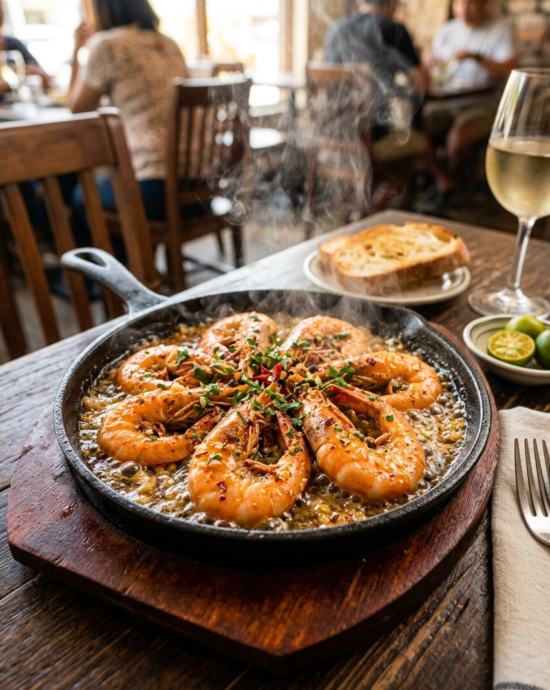

- Step 1: Prepare and Season Shrimp
Peel the shrimp, leaving the tail segment attached for visual impact and easy eating. Devein by making a shallow cut along the back and removing the dark intestinal tract. Pat the shrimp completely dry with paper towels — this is the single most important preparation step, as dry shrimp sear with dramatically better color and flavor development while wet shrimp simply steam in the pan. Season the prepared shrimp lightly with salt, smoked paprika, and black pepper. The smoked paprika is the distinctly Spanish-Filipino touch in Gambas — it gives the finished dish its characteristic slightly smoky, rich red color and a subtle depth of flavor that plain paprika cannot achieve. Toss to coat evenly and set aside while preparing the cooking surface.
- Step 2: Heat the Sizzling Plate
Place a cast iron sizzling plate directly over the highest heat setting on your stovetop. Heat the plate for a full five minutes until it is smoking hot — you should see visible heat waves rising from the surface. This is non-negotiable; the sizzle is not merely theatrical but actually continues cooking the shrimp after service and maintains the dish at eating temperature. The extreme heat of the cast iron surface will immediately sear the bottom of the shrimp upon contact, creating the appealing crust and dramatic crackling sound that is the signature of excellent Sizzling Gambas. Add the olive oil and butter directly to the smoking hot plate.
- Step 3: Cook Garlic in Oil
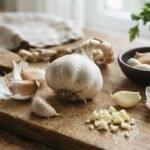
As the oil and butter mixture heats in the pan (alternatively, do this step in a separate pan for more control), add all the minced garlic at once. The garlic should sizzle vigorously on contact. Stir constantly and cook for one to two minutes until the garlic is fragrant, softened, and just beginning to turn very lightly golden at the edges — not browned or burnt. This garlic-in-oil infusion is the aromatic backbone of Gambas. The Spanish name 'gambas al ajillo' (garlic shrimp) tells you that garlic is the co-star of this dish, not a background note. Add the chopped siling labuyo and stir through the garlic oil.
- Step 4: Cook the Shrimp
Add the seasoned shrimp to the garlicky, spicy oil in a single layer. Cook undisturbed for one minute until the underside turns pink and opaque, then flip each shrimp individually. Add the soy sauce and oyster sauce. Cook for another one minute on the second side. The total shrimp cooking time should be two to three minutes maximum — Sizzling Gambas shrimp must be just-cooked, tender, and juicy. Overcooked shrimp in any preparation is a failure, but in Gambas where the shrimp is the entire dish, it is especially unacceptable. Remove from heat the moment the last shrimp forms a perfect C-shape.
- Step 5: Serve Immediately on Sizzling Plate
If cooking in a separate pan, slide the finished gambas and all the garlicky oil onto the pre-heated sizzling plate for table presentation. Squeeze fresh calamansi over the top and scatter parsley or green onion generously. Bring to the table while sizzling and crackling dramatically — this theatrical presentation is as important to the Gambas experience as the flavor itself. Serve with toasted bread (pan de sal) for soaking the garlic oil or with steamed rice. Eat immediately.
- Calories:290 kcal15%
- Protein:26 g52%
- Carbohydrates:4 g2%
- Sugar:1 g1%
- Fat:18 g23%
- Salt (Sodium):520 mg23%
- Energy:1214 kJ15%
Table of Contents
What Is Sizzling Gambas?
Sizzling Gambas is a Filipino adaptation of the Spanish tapas classic gambas al ajillo — large shrimp cooked in abundantly garlicky olive oil with chili, finished with soy and oyster sauce, and served dramatically sizzling on a cast iron plate — a dish that perfectly captures the Spanish-Filipino culinary fusion at the heart of much of the Philippines’ food culture. It is one of the most popular pulutan dishes in the country, found on nearly every Filipino restaurant and bar menu.
The dish arrived in the Philippines through the Spanish colonial period and found immediate acceptance due to the Filipino love of garlic, shellfish, and bold flavors. Filipino cooks adopted the essential Spanish concept — shrimp in garlic oil — but transformed it through the addition of local seasonings (soy sauce, oyster sauce, Filipino chili varieties) and the distinctly Filipino innovation of the sizzling cast iron plate presentation, which adds theatre, maintains heat, and continues cooking the shrimp gently at the table.
The sizzling plate presentation itself — common across many Filipino dishes including sisig and other sizzling preparations — reflects a Filipino dining culture that values theatre, communal sharing, and the multi-sensory experience of food. The crackling sound of hot food on cast iron, the billowing steam, the dramatic visual — these are considered essential components of the full dining experience rather than mere showmanship.
Sizzling Gambas stands at the intersection of Spanish culinary heritage, Filipino ingredient adaptation, and the Filipino cultural love of theatrical communal dining — a single dish that tells the full story of how Philippine cuisine evolved through centuries of cultural exchange.
Ingredient Notes
- Large Shrimp Size matters significantly in Gambas — large shrimp (26–30 per pound or bigger) provide enough mass to sear properly and remain juicy after cooking. Very small shrimp overcook before developing the characteristic exterior color.
- Smoked Paprika Smoked paprika is the bridge ingredient that connects this dish to its Spanish tapas origins. It contributes a subtle smokiness, beautiful reddish color, and a depth of flavor that differentiates Gambas from ordinary garlic shrimp.
Ingredient Suggestions
- Chorizo de Bilbao — Adding sliced Spanish chorizo to cook alongside the shrimp introduces smoky, paprika-spiced pork fat that enriches the garlic oil magnificently.
- Cherry Tomatoes — Adding halved cherry tomatoes creates a sauce as they burst and their juice emulsifies with the garlic oil.
Helpful Tips & Pro Tips
- The hotter the sizzling plate, the more impressive and theatrical the presentation — heat it for at least five full minutes over maximum heat before adding food.
- Do not crowd the shrimp — space them in a single layer with some gap between each piece for proper searing versus steaming.
How to Serve and Store
Sizzling Gambas must be served immediately — it is a dish of the moment with no quality equivalence after the sizzle dies. Best consumed within five minutes of plating. Leftovers are acceptable within 1 day refrigerated and can be reheated in a hot pan, though the sizzling drama is lost. Serve with pan de sal or rice and cold beer.
Substitutions
- Olive Oil → Butter — Creates a richer, nuttier Gambas with less Spanish character but excellent flavor.
- Siling Labuyo → Red Pepper Flakes — More widely available heat source with similar intensity in smaller quantities.
Suggested Recipes
- Butter Garlic Shrimp — The more home-style, less theatrical cousin that shares the same shrimp-garlic butter spirit.
- Calamares — The companion seafood pulutan to Gambas on any Filipino restaurant seafood appetizer menu.
Frequently Asked Questions

Jeff Smith
"Cooking is the intersection of history, science, and emotion."
For me, the kitchen has always been a laboratory of culture. With a background deeply rooted in digital strategy and precision, I approach the culinary arts with the same rigor I apply to the digital landscape—analyzing flavors, perfecting techniques, and documenting the nuance that makes Filipino cuisine truly world-class.
Findme Recipe was born from a desire to bridge the gap between traditional heritage and the modern home cook. Whether it is mastering the perfect balance of acidity in a classic Adobo or simplifying complex regional dishes for everyday kitchens, my mission is to preserve our culinary identity through accessible, data-backed, and delicious content.
I am not just building a database; I am cultivating a community where every Filipino kitchen feels empowered, every ingredient is celebrated, and every family heirloom recipe finds a place to thrive.
Join me as we translate the soul of our islands into recipes for the next generation.